
ADHD and the Fear of Failure: Breaking the Perfectionism-Procrastination Cycle
Do you ever put off starting something because you are afraid you will not do it well enough? You might wait for the perfect moment, but it never comes. The task stays unfinished, and the pressure builds. This is the perfectionism and procrastination cycle, and it is very common for people with ADHD.
ADHD brains are often wired for all-or-nothing thinking. If we do not believe we can do something perfectly, we tend to avoid it altogether. The longer we put it off, the more overwhelming it feels. That leads to even more procrastination and more anxiety. The fear of failing grows.
The good news is that it is possible to break this cycle. When you understand why ADHD creates that fear and pressure, you can begin to move forward without waiting for everything to be perfect.
Why fear of failure shows up with ADHD
Rejection sensitivity is a big factor. Many people with ADHD experience strong emotional responses to perceived failure or criticism. Even small mistakes can feel incredibly painful, so it is easier to avoid the risk altogether.
Perfectionism and black and white thinking also play a part. If it cannot be done perfectly, we convince ourselves it is not worth starting. It becomes hard to begin anything unless we feel completely sure we can get it right.
Then there is executive dysfunction. ADHD impacts our ability to initiate tasks. When something feels too big or unclear, we often default to avoidance, especially if we are already feeling anxious about it.
And of course, many of us have past experiences where we have felt like we failed or fell short. If you grew up facing criticism or struggling in school, your brain might now link new challenges with the fear of failing again.
How to break the cycle
Start by redefining failure. Most successful people have failed many times. Mistakes are part of the process. Instead of seeing failure as a sign that you are not good enough, try to view it as something that can teach you what works and what does not.
Lower the bar. Perfectionism tells us that only a flawless result counts. But actually, progress matters much more. A rough first draft is still progress. A short walk still counts as movement. The key is to get started without waiting for ideal conditions.
Try permitting yourself to make a messy first attempt. Whether it is a piece of writing or an unfinished task, tell yourself you are just doing a rough version. Once you have something on the page or something started, it is much easier to keep going.
If you are feeling stuck, set a timer for five minutes. You do not need to finish anything. You just need to start. And often, once you are in motion, the pressure eases.
It is also really important to remember that your worth is not tied to your productivity or your performance. You are not less valuable if something goes wrong. You are still enough even when you feel uncertain or imperfect.
Final thoughts
Fear of failure can be paralysing, but it does not need to control your choices. Start before you feel ready. Lower your expectations. Focus on progress rather than perfection.
If this cycle of perfectionism and procrastination is keeping you stuck, coaching can help. Book a complimentary Discovery Call, and we can explore what might work for your ADHD brain and how you can move forward with more ease:
https://app.paperbell.com/checkout/bookings/new?package_id=158968




What others are reading

Diagnosed with ADHD at 52, I finally understood why life had always felt harder. This post shares how coaching helped me unlearn shame, embrace difference, and finally work with my ADHD rather than against it.
I set big goals for this holiday, and then felt like I was failing for not meeting them. This post is a reflection on ADHD, high expectations, RSD, and learning to be gentler with myself, one imperfect day at a time.

Rejection Sensitivity Dysphoria (RSD) can make even small comments feel crushing, and it’s often hidden beneath ADHD. This post explores why it happens, how it affects daily life, and what can help you feel more in control.

ABOUT ME
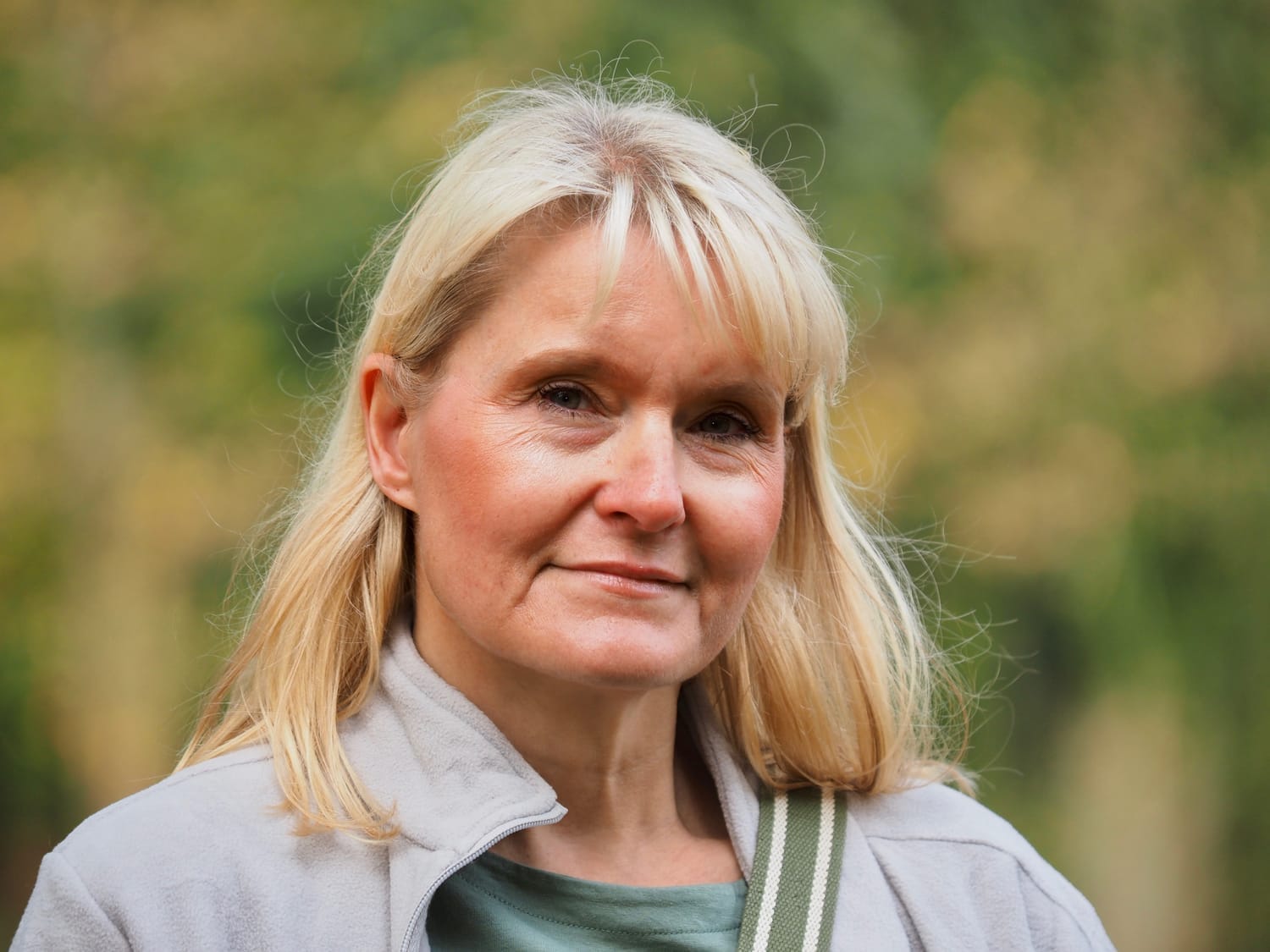
Hi, I'm Petra Earnshaw, an adoptee with ADHD. I am also an ICF ACC Credentialed Advanced-Certified ADHD Life Coach. I share my coaching and late ADHD diagnosis, and share some tips along the way.

GOT A QUESTION YOU'D LIKE TO SHARE?
I love hearing from readers. Whether you have a thought about something I've written, a question about ADHD, or just want to say hello, you can email me directly. I read every message ( and reply when I can).

THINKING ABOUT COACHING?
If you are curious about ADHD Life Coaching, you're welcome to book a complimentary Discovery Call. It's a calm, no-pressure space to talk about what's going on and whether coaching might be supportive.