Understanding ADHD and Rejection Sensitivity Dysphoria: Navigating Emotional Turbulence
Living with ADHD can feel like navigating life with the volume turned up. The emotional ups and downs, the constant mental noise, and the challenges with focus, organisation, and time can be overwhelming enough on their own. But for many people with ADHD, there’s something else going on beneath the surface—something that often isn’t talked about enough. It’s called Rejection Sensitivity Dysphoria, or RSD.
If you’ve ever felt like a tiny bit of criticism or disapproval hits you like a punch to the chest, or if you find yourself avoiding situations altogether because the fear of rejection feels too big, RSD might be playing a role.
In this blog post, I want to explore the relationship between ADHD and RSD, how it can affect day-to-day life, and what can actually help—because there is support available.
What is ADHD?
ADHD (Attention Deficit Hyperactivity Disorder) is a neurodevelopmental condition. It shows up differently for different people, but it usually involves challenges with focus, impulsivity, emotional regulation, and managing time or tasks. For many women, especially those who were diagnosed later in life, these challenges have often been misunderstood or missed entirely.
People with ADHD often feel like they’re constantly ‘on’, struggling to stay organised, meet deadlines, or manage everyday demands. But alongside those challenges, there are also real strengths, for example, creativity, empathy, out-of-the-box thinking, and incredible resilience.
What is Rejection Sensitivity Dysphoria (RSD)?
RSD is a term that describes the intense emotional pain that comes from the perception of rejection or criticism, even if that rejection isn’t real. For someone with ADHD, that feeling can be incredibly intense. It might come on suddenly, feel overwhelming, and be hard to move past.
RSD can lead to feelings of failure, shame, or worthlessness. It can also cause you to pull away from relationships or opportunities, just to avoid the risk of feeling that emotional pain again. It’s not ‘just being sensitive’, it’s a real, emotional response, and it can be exhausting.
Why does RSD show up in ADHD?
We don’t fully understand all the mechanisms behind RSD, but we do know that people with ADHD often experience emotional dysregulation. This means their emotional responses, especially to stress or perceived criticism, can be more intense and harder to manage.
Add to that the fact that many people with ADHD grow up facing regular criticism, and it’s no surprise that the fear of rejection becomes deeply wired in. If your brain is already on high alert, always scanning for ‘what might go wrong’, then it makes sense that rejection can feel like a major threat.
How does RSD affect everyday life?
RSD can show up in lots of different ways:
Procrastinating on important tasks because you’re scared of not doing them perfectly.
Avoiding social events or relationships because you’re afraid of being judged or misunderstood.
Feeling crushed by even gentle feedback, and struggling to bounce back.
Taking things very personally, even when you know logically that it’s not about you.
Over time, this can chip away at your confidence, self-esteem, and general wellbeing.
How ADHD Life Coaching Can Help
As an ADHD Life Coach, I work with clients to build more awareness around their RSD triggers. We explore how their ADHD shows up for them, and gently challenge those automatic thoughts that say, “I’ve failed” or “They’re rejecting me”.
We work together to create routines and foundations that help life feel more manageable. When your day-to-day life feels more stable, the emotional spikes of RSD often feel more manageable, too.
Coaching can also help you build more compassion for yourself, so that RSD doesn’t have to call all the shots.
Other ways to manage RSD
While coaching can be really helpful, it’s also worth looking at a few other strategies that support emotional regulation and resilience:
Cognitive Behavioural Therapy (CBT)
CBT can help you spot and reframe those unhelpful thinking patterns that fuel RSD.Mindfulness and Meditation
These can be brilliant tools for calming the nervous system and noticing your emotional responses without getting caught up in them.Build a Supportive Network
Surrounding yourself with people who ‘get it’—who understand ADHD and are kind and accepting—can make a big difference.Set Clear Boundaries
Learning to say no, or to step back from situations that drain you, is a vital skill—especially if RSD has you people-pleasing out of fear of rejection.Practice Self-Compassion
RSD often fuels harsh self-talk. Learning to treat yourself with kindness, especially when things feel tough, is a powerful antidote.
Getting the Right Support
If you suspect RSD is affecting your life, please know that you don’t have to manage it all on your own. Working with an ADHD Life Coach can be a supportive, non-judgemental space to start making changes. Some people also benefit from exploring whether ADHD medication might help reduce some of the emotional dysregulation, and that’s something to discuss with your GP or psychiatrist if you have a diagnosis.
Everyone’s journey is different, and what works for one person may not work for another. But you don’t have to figure it out in isolation.
Embracing Your Strengths
Yes, ADHD and RSD can bring challenges. But they’re not the whole story. People with ADHD are often incredibly creative, intuitive, empathetic, and passionate. You may feel things deeply—and while that can hurt, it also means you care deeply, connect deeply, and live deeply.
With the right support, strategies, and understanding, you can build a life that feels more balanced and fulfilling. RSD doesn’t have to be the driver—you can take back the wheel.
Interested in exploring this further?
I offer complimentary Discovery Calls if you’re curious about how ADHD Life Coaching might help. You don’t need to have a formal diagnosis, just a sense that ADHD might be part of your story. We’ll talk about what’s going on for you and whether coaching feels like the right next step.
You can book your Discovery Call:
https://app.paperbell.com/checkout/bookings/new?package_id=158968
You are not alone. And you can feel better.
What others are reading
Diagnosed with ADHD at 52, I finally understood why life had always felt harder. This post shares how coaching helped me unlearn shame, embrace difference, and finally work with my ADHD rather than against it.
I set big goals for this holiday, and then felt like I was failing for not meeting them. This post is a reflection on ADHD, high expectations, RSD, and learning to be gentler with myself, one imperfect day at a time.
Rejection Sensitivity Dysphoria (RSD) can make even small comments feel crushing, and it’s often hidden beneath ADHD. This post explores why it happens, how it affects daily life, and what can help you feel more in control.

ABOUT ME
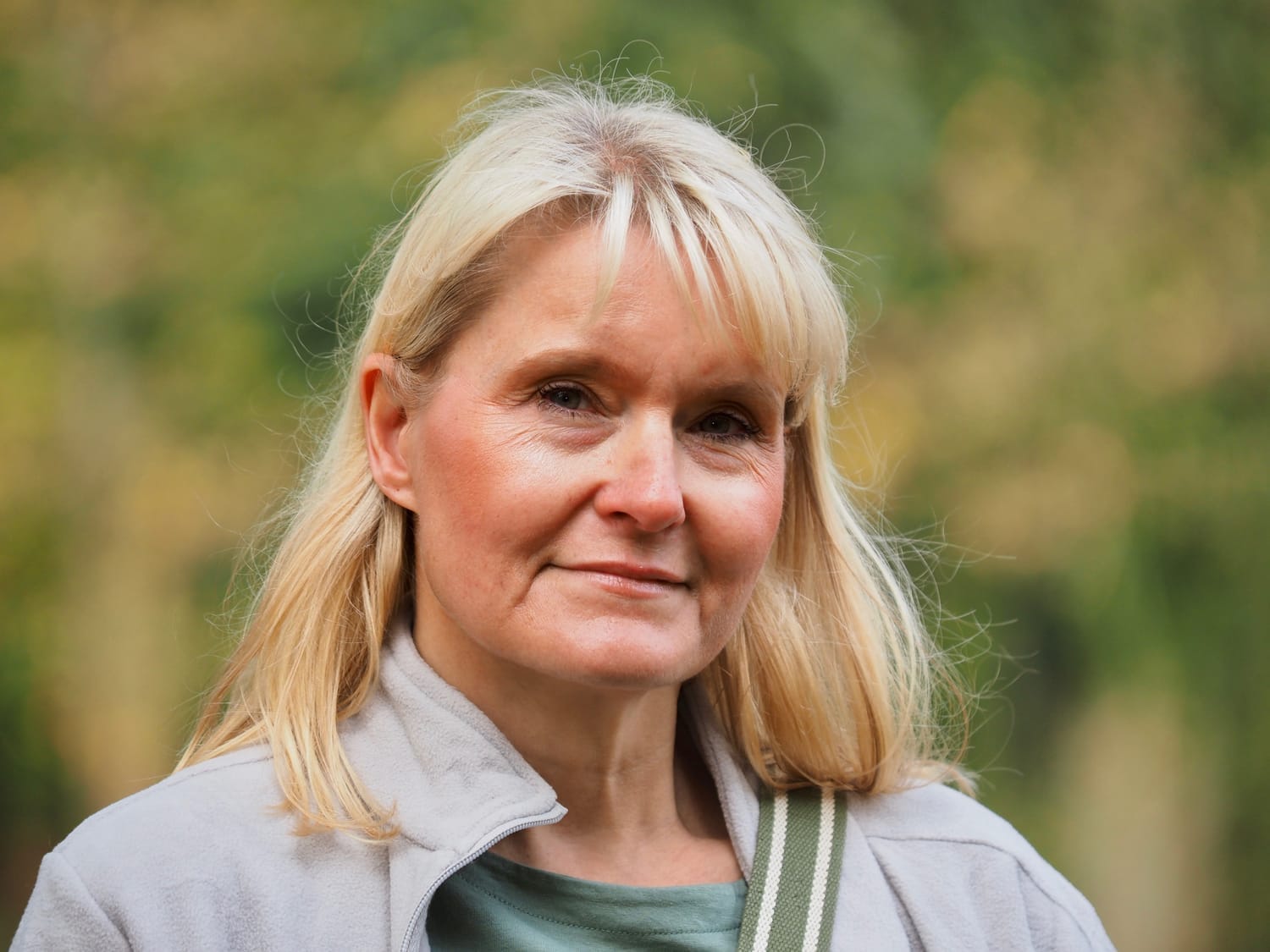
Hi, I'm Petra Earnshaw, an adoptee with ADHD. I am also an ICF ACC Credentialed Advanced-Certified ADHD Life Coach. I share my coaching and late ADHD diagnosis, and share some tips along the way.

GOT A QUESTION YOU'D LIKE TO SHARE?
I love hearing from readers. Whether you have a thought about something I've written, a question about ADHD, or just want to say hello, you can email me directly. I read every message ( and reply when I can).
THINKING ABOUT COACHING?
If you are curious about ADHD Life Coaching, you're welcome to book a complimentary Discovery Call. It's a calm, no-pressure space to talk about what's going on and whether coaching might be supportive.