ADHD and the importance of sleep
I don’t remember having significant issues with sleep until peri-menopause hit about 11 years ago. Since then, and especially over the last couple of years, I’ve really come to understand just how vital good sleep is, particularly for those of us with ADHD.
Sleep affects everything. Our focus, emotional regulation, impulse control, energy levels and ability to cope. When sleep is off, everything feels harder. Prioritising sleep has made a noticeable difference for me, even though it’s still something I actively have to work at.
I thought it might be helpful to share some of the things that genuinely support my sleep.
I leave my phone on Do Not Disturb at night and either leave it upstairs or use the Forest app to discourage me from scrolling. I wear blue light-blocking glasses when watching TV, even though I know the advice is ideally to avoid screens altogether in the hour before bed. I stick to a regular bedtime and getting up time, including at weekends, which has been surprisingly helpful.
At this time of year, I use a SAD lamp first thing in the morning to support my circadian rhythm, and I take the dog out for a walk as soon as it gets light. I try to get as much natural light as I can during the day, even though that can be tricky in winter. Last year, I moved my desk so it sits right next to a window, and I’m convinced that’s helped too.
I also learned last winter that taking melatonin when you have Seasonal Affective Disorder can actually make symptoms worse, as we already tend to have higher levels. What I have noticed, though, is an increase in the amount of deep sleep I get when I eat foods that naturally contain melatonin, such as cherries and cashew nuts.
I want to be really clear that I’m not a sleep expert or a nutritionist, and if you’re experiencing significant or ongoing sleep difficulties, it’s important to speak with your healthcare provider.
That said, if sleep feels chaotic, inconsistent, or simply impossible to prioritise with ADHD, you don’t have to figure it out alone. Sleep habits are often deeply connected to routines, nervous system regulation, hormones, and the way our ADHD brains work, which is exactly the kind of thing coaching can support.
If you’d like to explore ways to optimise and prioritise your sleep in a realistic, compassionate way, you’re very welcome to book a complimentary Discovery Call with me. It’s a chance to talk things through and see whether coaching feels like a good fit.
I’m also currently offering a special pre-Christmas package of four coaching sessions for £160, if booked by 22nd December. Sessions will start in January. This is a significant saving on my usual price and is ideal if you’d like support creating sustainable routines as we head into the new year.
You can book your complimentary Discovery Call using this link:
https://app.paperbell.com/checkout/bookings/new?package_id=158968




What others are reading
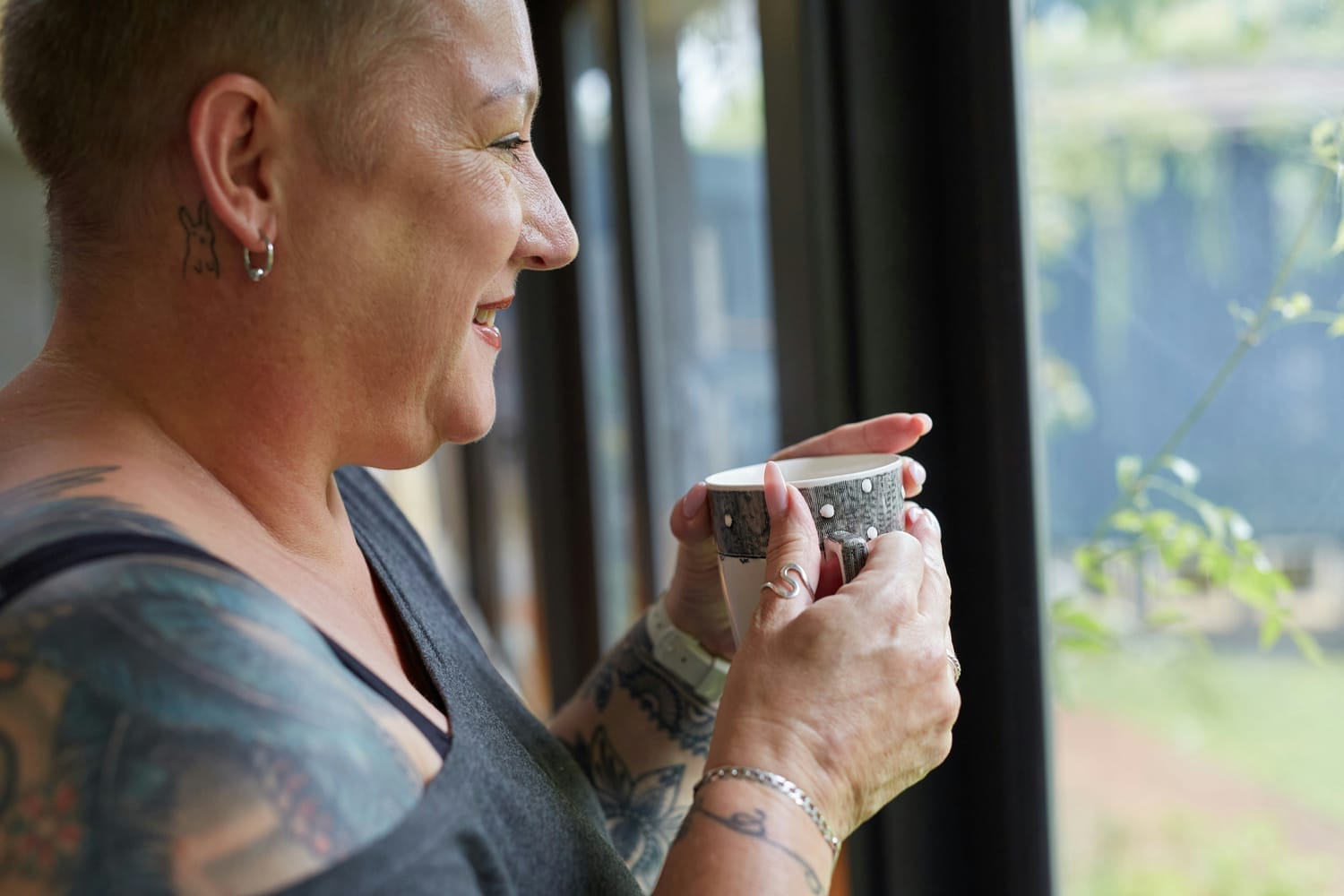
Diagnosed with ADHD at 52, I finally understood why life had always felt harder. This post shares how coaching helped me unlearn shame, embrace difference, and finally work with my ADHD rather than against it.
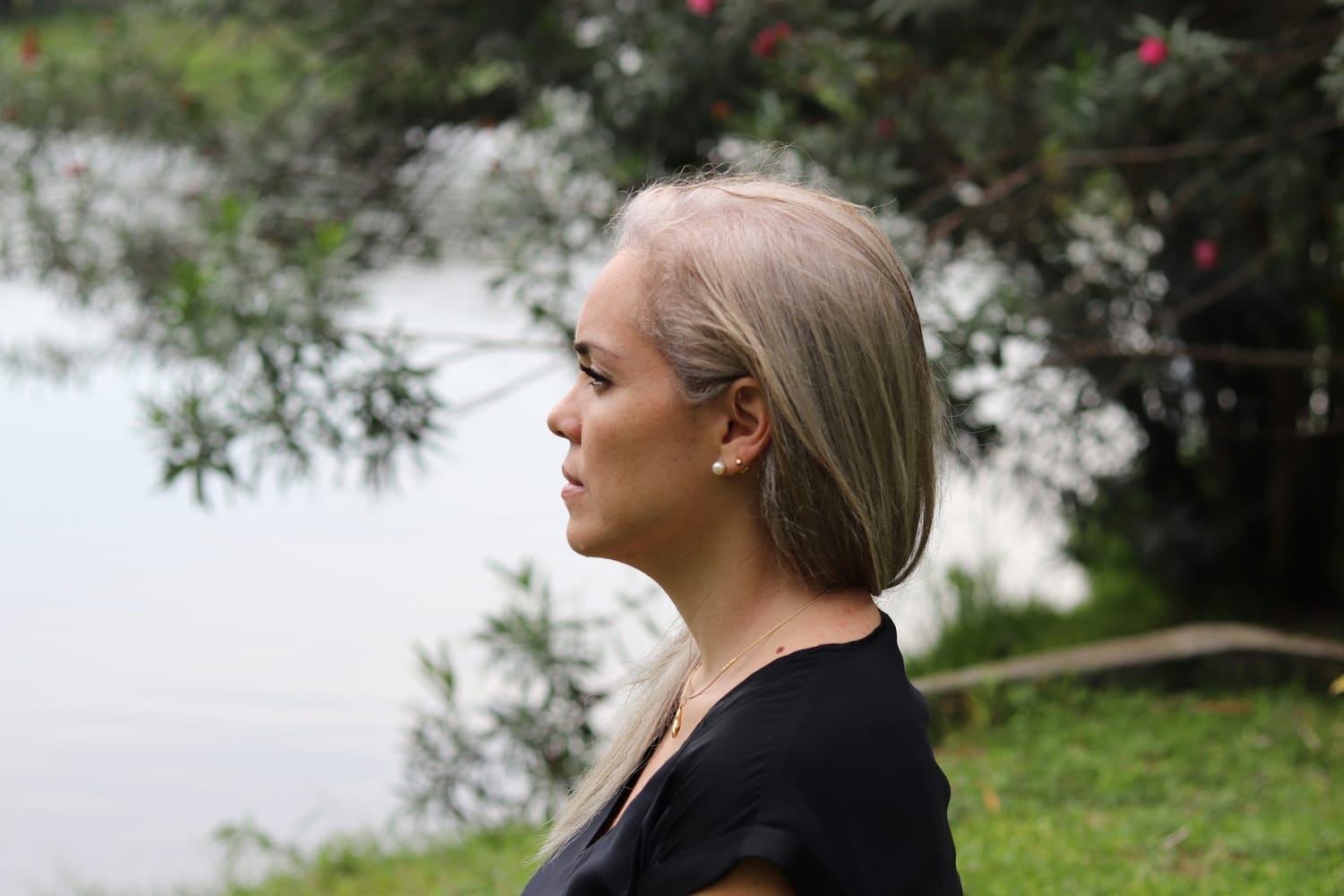
I set big goals for this holiday, and then felt like I was failing for not meeting them. This post is a reflection on ADHD, high expectations, RSD, and learning to be gentler with myself, one imperfect day at a time.

Rejection Sensitivity Dysphoria (RSD) can make even small comments feel crushing, and it’s often hidden beneath ADHD. This post explores why it happens, how it affects daily life, and what can help you feel more in control.

ABOUT ME
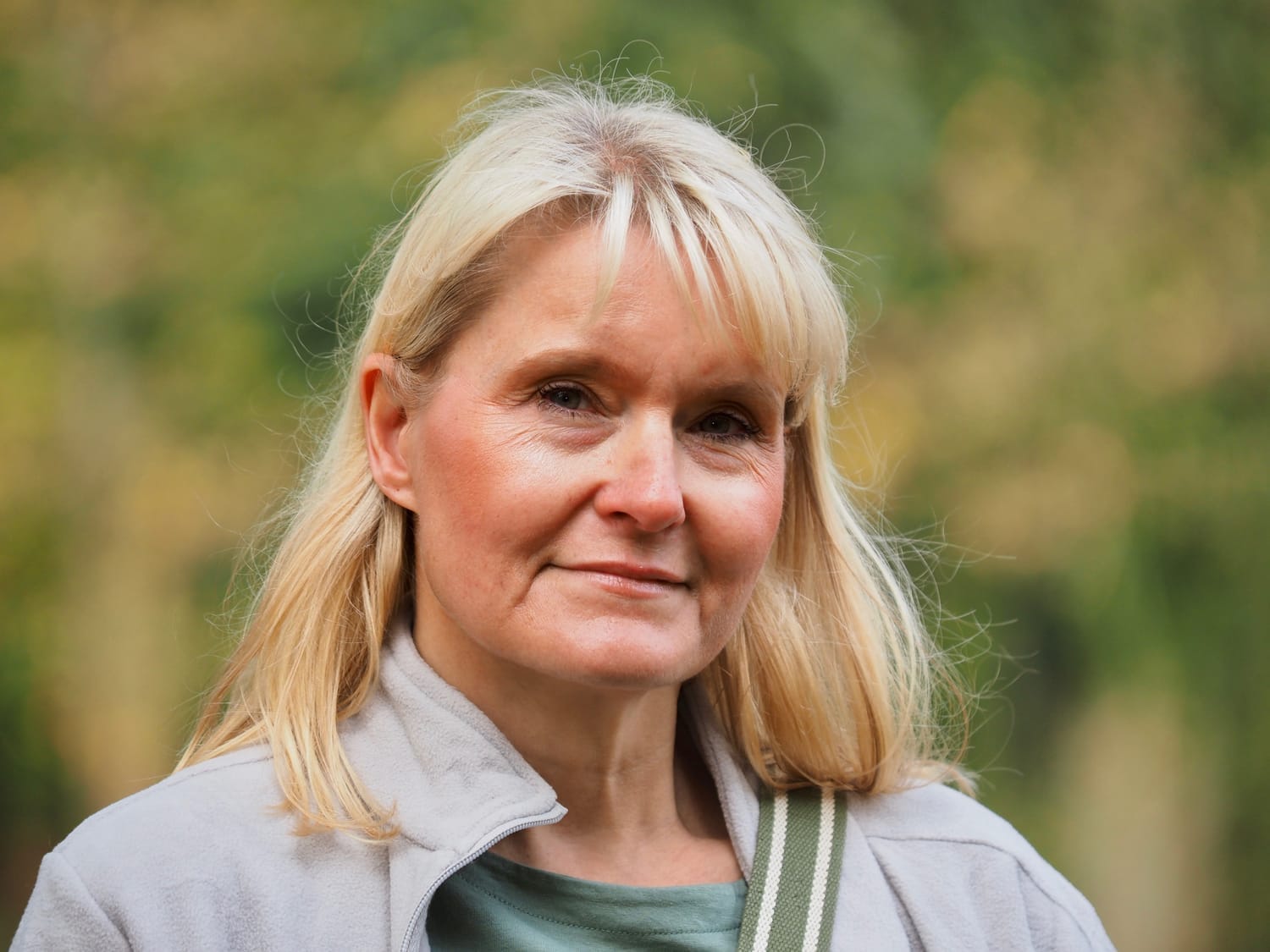
Hi, I'm Petra Earnshaw, an adoptee with ADHD. I am also an ICF ACC Credentialed Advanced-Certified ADHD Life Coach. I share my coaching and late ADHD diagnosis, and share some tips along the way.

GOT A QUESTION YOU'D LIKE TO SHARE?
I love hearing from readers. Whether you have a thought about something I've written, a question about ADHD, or just want to say hello, you can email me directly. I read every message ( and reply when I can).

THINKING ABOUT COACHING?
If you are curious about ADHD Life Coaching, you're welcome to book a complimentary Discovery Call. It's a calm, no-pressure space to talk about what's going on and whether coaching might be supportive.