Adoption, Identity and the ADHD Brain: Understanding the Overlap and Finding Support
For many adoptees, the journey of understanding identity is lifelong. Add ADHD into the mix, and that journey can feel even more layered and complex. While not all adoptees have ADHD, there can be shared emotional experiences, and for those who do live with ADHD, recognising the connection can be life-changing.
The Hidden Overlap
ADHD is often misunderstood as just being forgetful, distracted or "hyper." In reality, it's a neurodevelopmental condition that affects how the brain processes information, emotions and tasks. Many adults, particularly women, remain undiagnosed until much later in life, often because they've been masking their struggles or have internalised their challenges as personal failings.
For adoptees, this can be even more pronounced. Questions around identity, belonging and emotional safety can overlap with ADHD traits such as rejection sensitivity, emotional dysregulation and difficulty with executive functioning. It’s not uncommon to feel "too much," "not enough," or simply "different" without being able to explain why.
Emotional Regulation and Rejection Sensitivity
Rejection Sensitive Dysphoria (RSD) is a common feature of ADHD and refers to the intense emotional pain triggered by perceived criticism or rejection. For adoptees, who may already be navigating deep feelings of loss, separation or abandonment, RSD can feel like a constant emotional undercurrent. Small setbacks or misunderstandings might hit harder than expected, and it's easy to feel overwhelmed or disconnected.
Understanding that this sensitivity isn’t a personal flaw, but a neurological response, can be a huge relief.
Check out my blog post about ADHD and RSD:
https://editor.systeme.io/page/32394202/edit
The Power of Understanding
Whether you’ve recently discovered you have ADHD, suspect you might, or are just beginning to explore how your adoption experience has shaped you, you are not alone. Awareness can be a powerful first step. It helps to name the things that have felt hard, not to blame, but to bring compassion and clarity.
What Can Help?
Here are a few approaches and resources that many adoptees with (or without) ADHD have found helpful:
Coaching – ADHD coaching can offer practical support for things like planning, time management, and motivation, but it’s also a space to be heard without judgement. Coaches work with you to create systems that work for your brain.
Therapy – Especially adoption-informed or trauma-aware therapists who understand the layers of your experience.
Peer support – Connecting with others who share similar experiences can be deeply validating.
Journaling and mindfulness – These gentle practices can help calm an overactive nervous system and bring a sense of feeling grounded.
Download your Self-Discovery Journal for Adoptees with ADHD here:
https://petra-earnshaw.systeme.io/fe6a0bc5
Movement – Regular physical activity, even a walk with a podcast, can help regulate mood and energy levels.
Books and podcasts – See below for a few recommendations.
Helpful Resources
Books:
What My Bones Know by Stephanie Foo – a powerful memoir exploring complex trauma.
Divergent Mind by Jenara Nerenberg – on women with ADHD, autism and sensitivity.
The Body Keeps the Score by Bessel van der Kolk – trauma-focused and often resonates with adoptees.
ADHD 2.0 by Dr Edward Hallowell and Dr John Ratey – accessible and affirming.
Podcasts:
The ADHD Women's Wellbeing Podcast (UK-based)
Adoptees On
Dani Donovan's ADHD podcast (informative and relatable
Organisations:
Links to resources



What others are reading
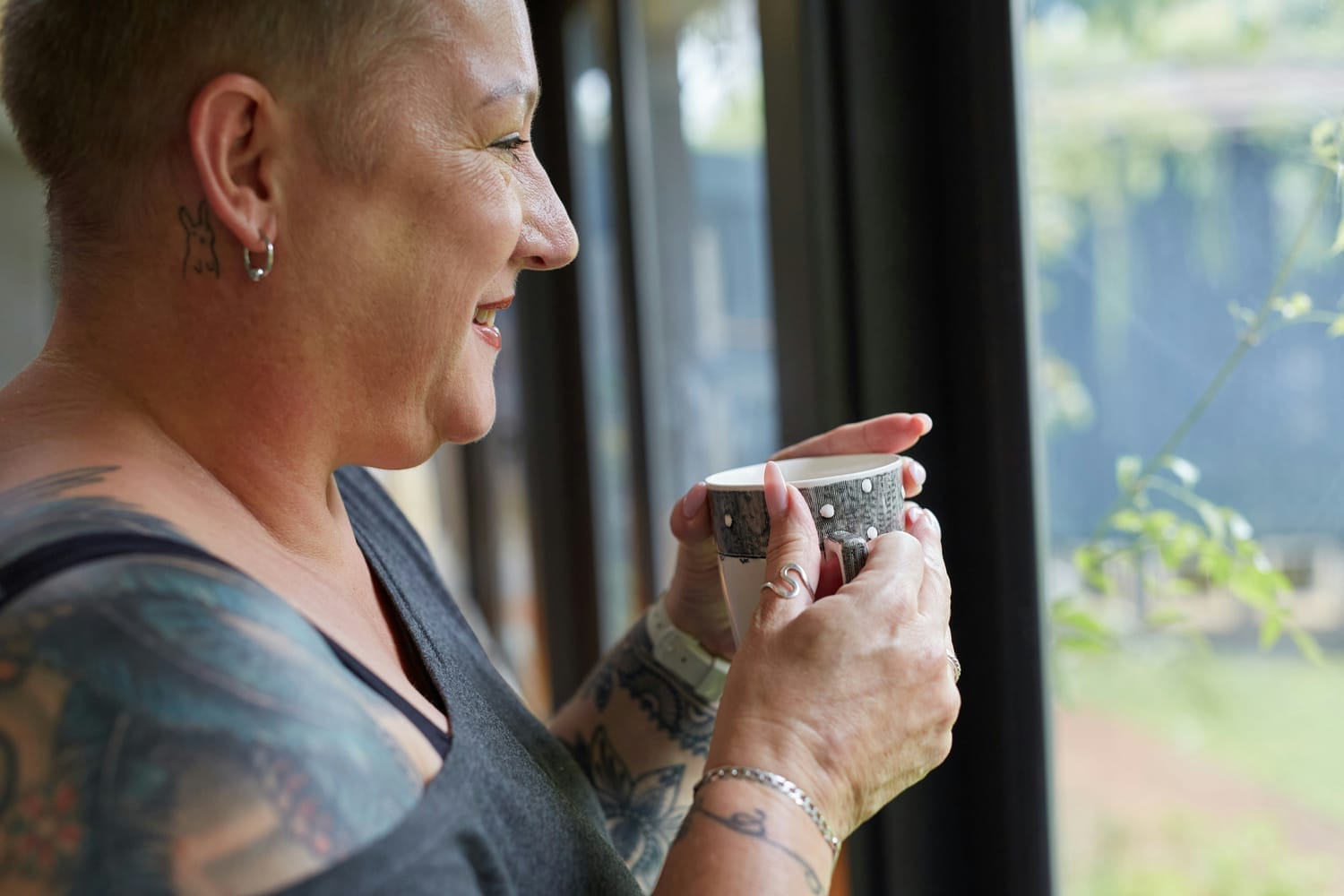
Diagnosed with ADHD at 52, I finally understood why life had always felt harder. This post shares how coaching helped me unlearn shame, embrace difference, and finally work with my ADHD rather than against it.
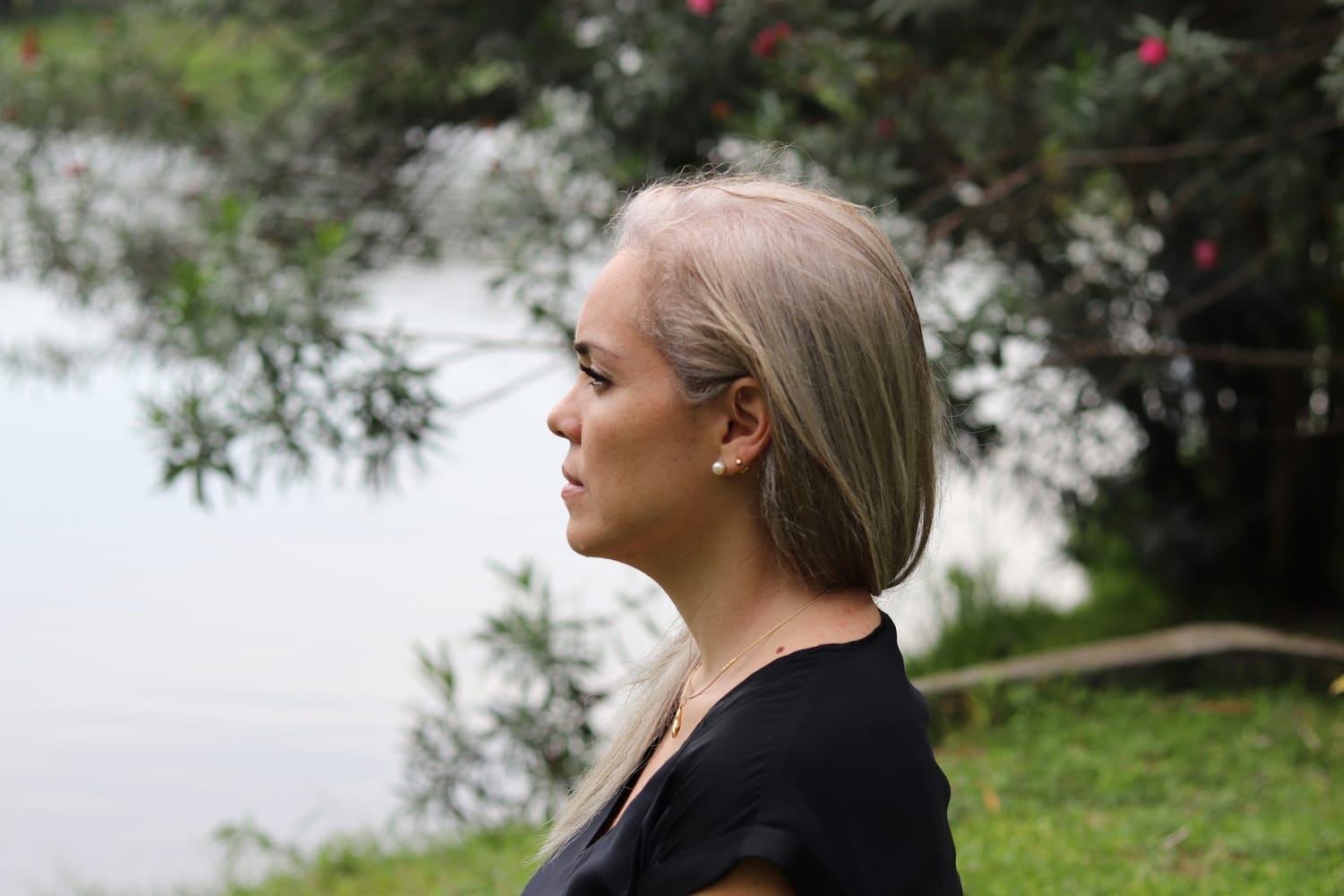
I set big goals for this holiday, and then felt like I was failing for not meeting them. This post is a reflection on ADHD, high expectations, RSD, and learning to be gentler with myself, one imperfect day at a time.

Rejection Sensitivity Dysphoria (RSD) can make even small comments feel crushing, and it’s often hidden beneath ADHD. This post explores why it happens, how it affects daily life, and what can help you feel more in control.

ABOUT ME
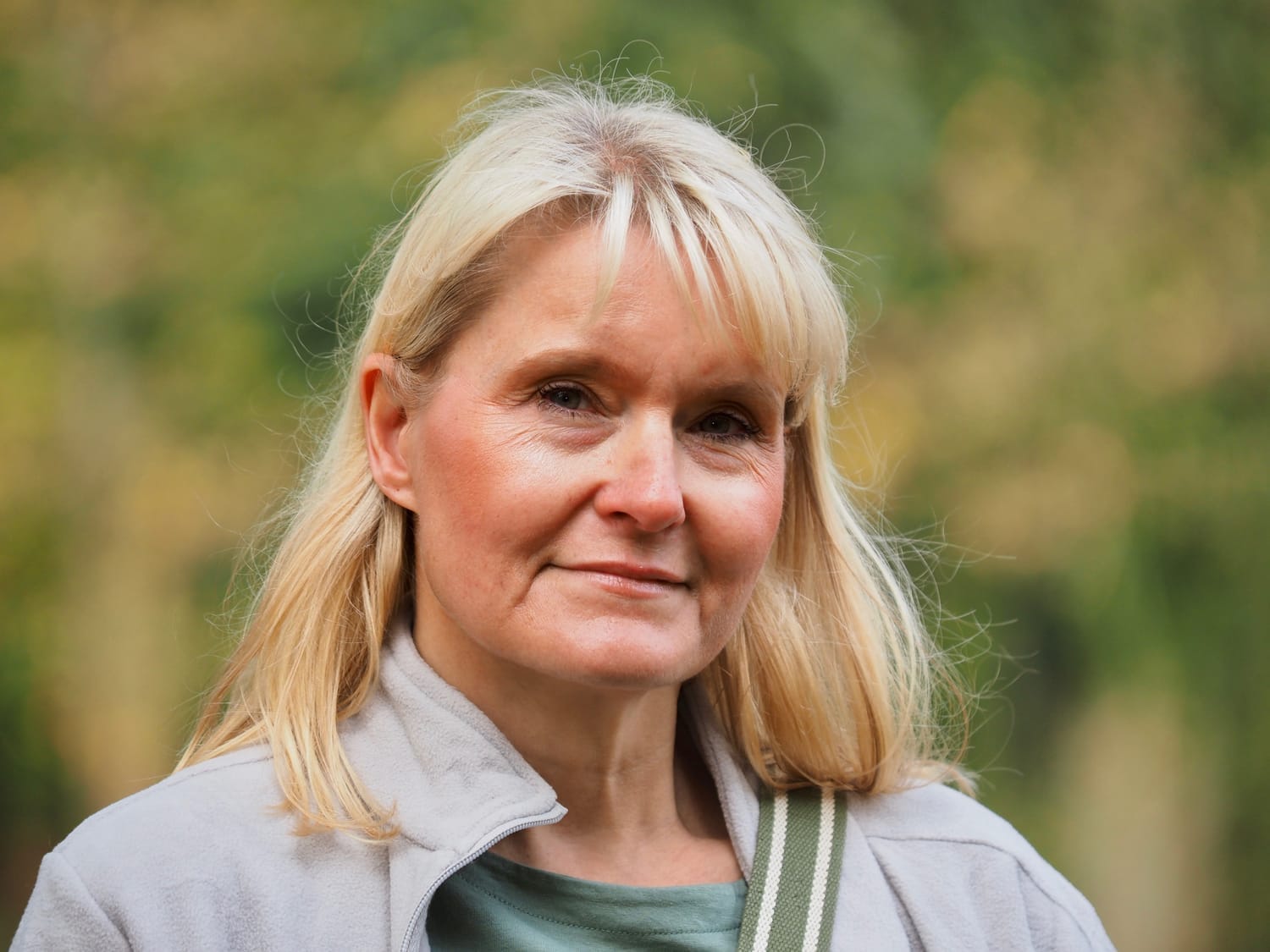
Hi, I'm Petra Earnshaw, an adoptee with ADHD. I am also an ICF ACC Credentialed Advanced-Certified ADHD Life Coach. I share my coaching and late ADHD diagnosis, and share some tips along the way.

GOT A QUESTION YOU'D LIKE TO SHARE?
I love hearing from readers. Whether you have a thought about something I've written, a question about ADHD, or just want to say hello, you can email me directly. I read every message ( and reply when I can).

THINKING ABOUT COACHING?
If you are curious about ADHD Life Coaching, you're welcome to book a complimentary Discovery Call. It's a calm, no-pressure space to talk about what's going on and whether coaching might be supportive.