Adoption Storylines: When They Hit a Nerve
I’m reading a book in a series about two private investigators. In this installment, the youngest son of a Lady is seriously ill and needs a kidney transplant. None of the family is a match, so the Lady hires the investigators to track down the son she relinquished for adoption at sixteen, in the hope of asking him to donate a kidney to save her other child.
There are only two reasons I’m sticking with it: it’s the sixth book in the series, and I’m still holding out hope that the story line might somehow redeem itself.
As an adoptee, I can’t help imagining how I would have felt if my birth mother suddenly appeared purely to request an organ donation for one of the children she raised. While donating a kidney is an enormous, life-altering decision, I can see how I might have been tempted to agree if it meant finally being seen, valued or accepted by my birth family. At the same time, there would be that other painful voice suggesting I was being treated like a spare parts cupboard for a child who was kept.
Ironically, one of the private investigators in the book is adopted herself and has recently reconnected with her birth mother. You’d think that experience might make her more sensitive to the adoptee in this situation. Instead, her perspective leans strongly towards the son who needs the transplant. When the adopted son’s wife asks whether the ‘family member’ would offer financial support, the investigator is stunned. At this point, I can’t help feeling the author is out of her depth with the realities of adoption. I’m giving serious thought to emailing her to politely share my thoughts.
If you’ve ever had a moment in a book, film, or conversation that hit a nerve around adoption, I’d love to hear your experience. Stories shape understanding, and your voice can help bring more nuance, compassion and truth into the way adoption is portrayed.




What others are reading
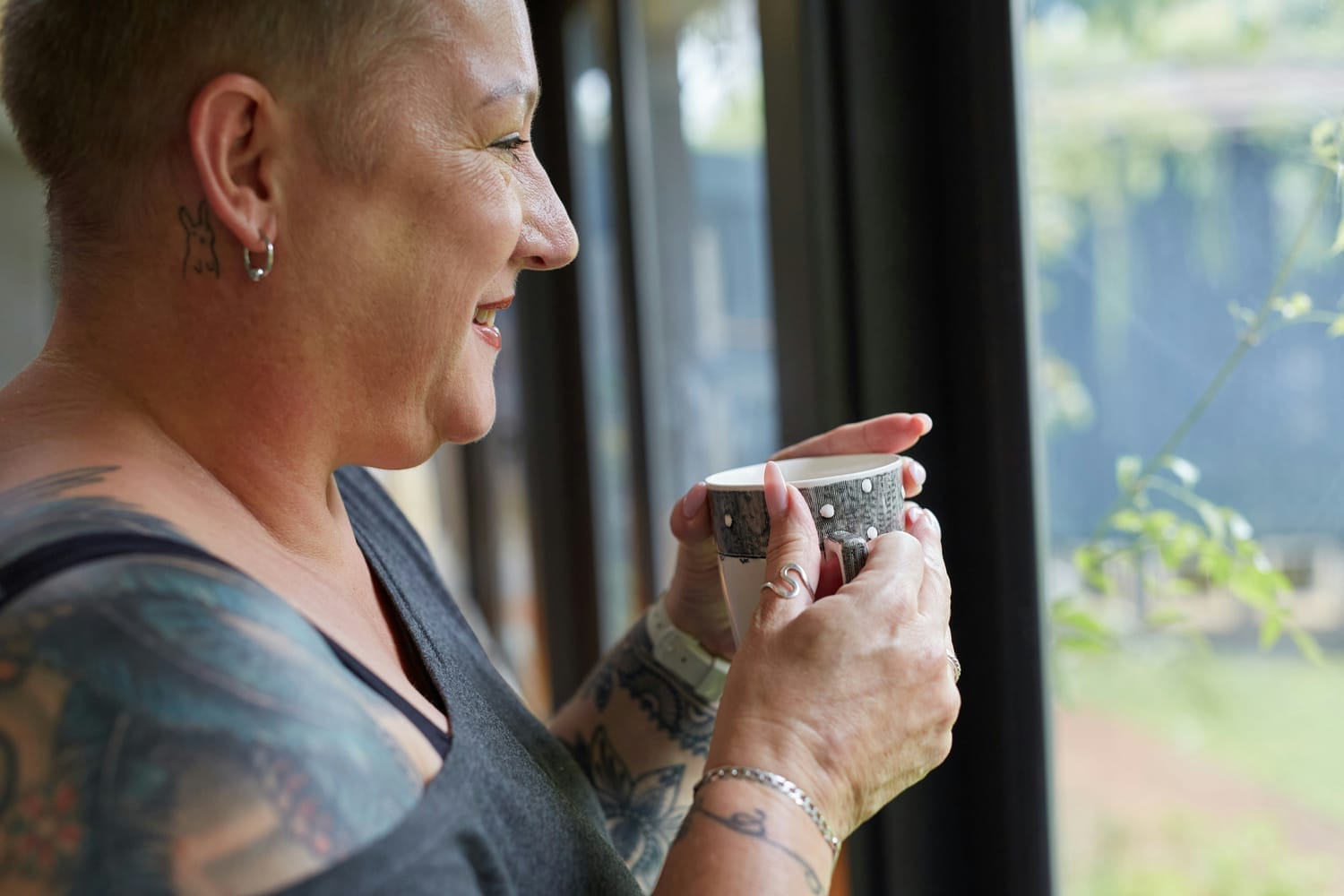
Diagnosed with ADHD at 52, I finally understood why life had always felt harder. This post shares how coaching helped me unlearn shame, embrace difference, and finally work with my ADHD rather than against it.
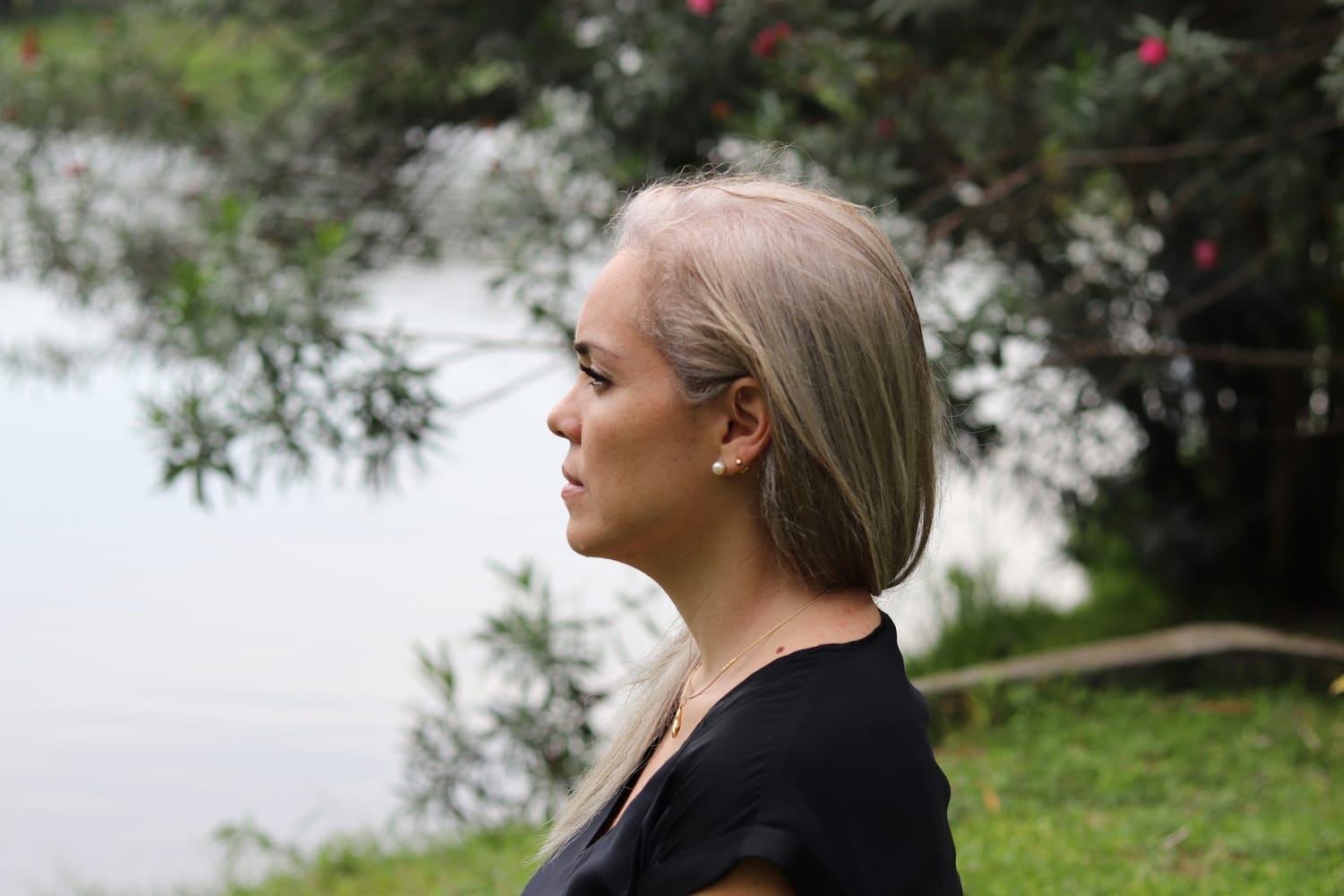
I set big goals for this holiday, and then felt like I was failing for not meeting them. This post is a reflection on ADHD, high expectations, RSD, and learning to be gentler with myself, one imperfect day at a time.

Rejection Sensitivity Dysphoria (RSD) can make even small comments feel crushing, and it’s often hidden beneath ADHD. This post explores why it happens, how it affects daily life, and what can help you feel more in control.

ABOUT ME
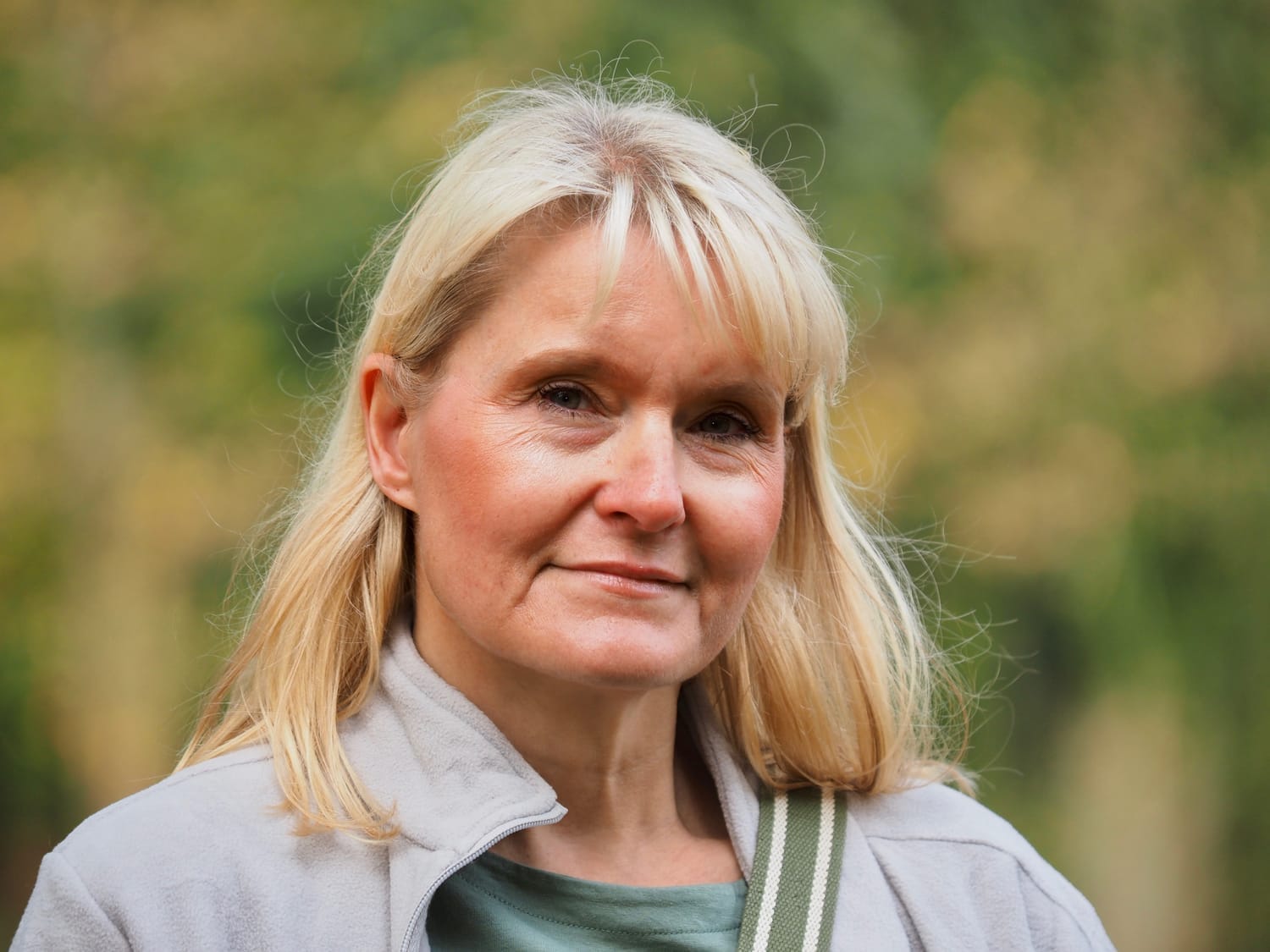
Hi, I'm Petra Earnshaw, an adoptee with ADHD. I am also an ICF ACC Credentialed Advanced-Certified ADHD Life Coach. I share my coaching and late ADHD diagnosis, and share some tips along the way.

GOT A QUESTION YOU'D LIKE TO SHARE?
I love hearing from readers. Whether you have a thought about something I've written, a question about ADHD, or just want to say hello, you can email me directly. I read every message ( and reply when I can).

THINKING ABOUT COACHING?
If you are curious about ADHD Life Coaching, you're welcome to book a complimentary Discovery Call. It's a calm, no-pressure space to talk about what's going on and whether coaching might be supportive.