Ambiguous Loss in Adoption: The Grief That Often Goes Unseen
When we think of loss, we usually picture something final - a death, a clear ending, a goodbye.
But in the world of adoption, loss is often far more complex.
Everyone within the adoption triad - adoptees, birth parents, and adoptive parents - can experience a type of loss that is harder to name and harder to grieve: ambiguous loss.
Coined by Dr Pauline Boss, ambiguous loss refers to a loss that lacks closure. The person is still physically present but psychologically or emotionally absent, or vice versa. In adoption, the people are still alive, but something essential has been lost.
For adoptees, ambiguous loss may show up as a sense of disconnection from their roots. Even when raised in a loving home, there can be a deep ache for what was lost, the biological connection, cultural identity, or simply the experience of being raised by their birth parents. This loss often goes unrecognised, even by the adoptee themselves.
For birth parents, there may be an ongoing grief for the child they no longer raise. Even when an adoption plan was made with love and intention, the absence of the child in their daily life can be profoundly painful. And because society doesn’t always acknowledge this loss, many birth parents feel silenced or shamed for still grieving.
For adoptive parents, ambiguous loss can arise, too. They may grieve the family they imagined, or feel a quiet sadness when bonding doesn’t come easily, or when their child carries trauma they cannot fix. These feelings can be difficult to admit, especially when they've longed for parenthood.
These kinds of losses are often unseen by others, and sometimes even by the people experiencing them. That can make them incredibly hard to process. There is no space to mourn, no rituals of closure, and often, no one who truly understands.
But these losses are real.
They matter.
And naming them is the first step towards healing.
If any of this resonates with you, I invite you to reflect:
Have you ever felt the weight of a loss that no one else seemed to see?
How has it shaped your story?
You’re welcome to reach out or share your thoughts with me - sometimes being witnessed in your experience is a powerful first step.
P.S. If you ever feel ready to explore support, I offer complimentary Discovery Calls. You're welcome to book one when the time feels right.



What others are reading
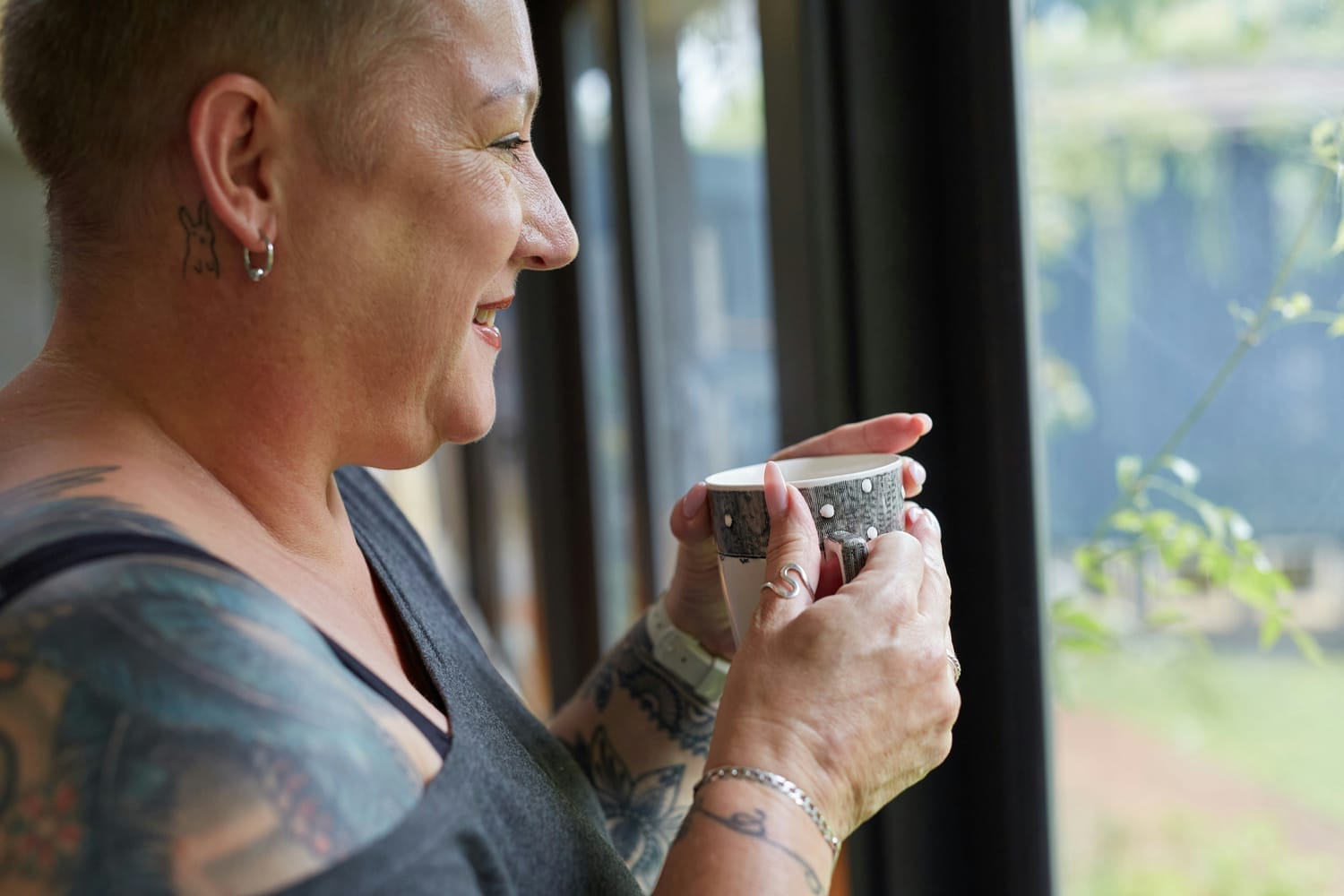
Diagnosed with ADHD at 52, I finally understood why life had always felt harder. This post shares how coaching helped me unlearn shame, embrace difference, and finally work with my ADHD rather than against it.
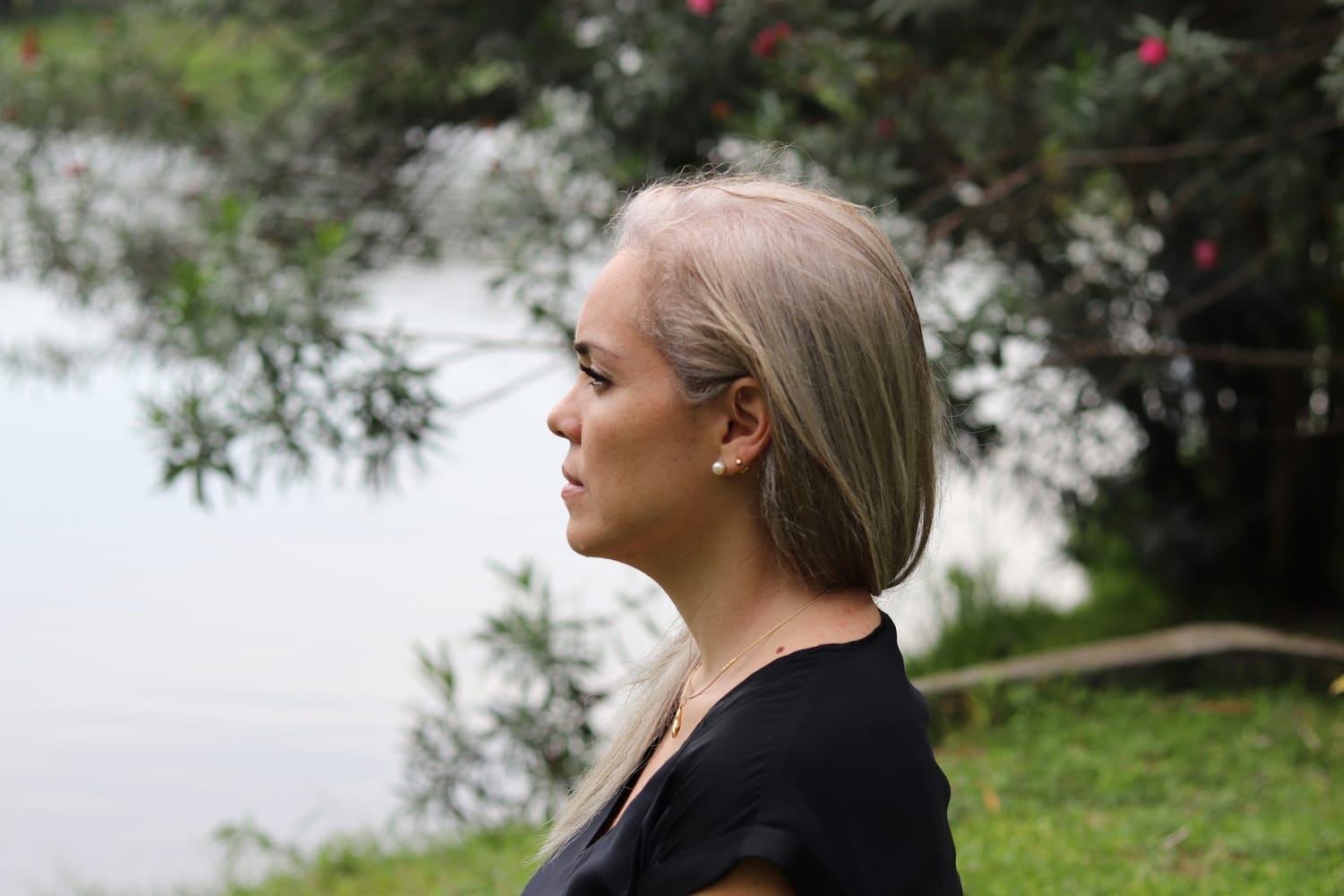
I set big goals for this holiday, and then felt like I was failing for not meeting them. This post is a reflection on ADHD, high expectations, RSD, and learning to be gentler with myself, one imperfect day at a time.

Rejection Sensitivity Dysphoria (RSD) can make even small comments feel crushing, and it’s often hidden beneath ADHD. This post explores why it happens, how it affects daily life, and what can help you feel more in control.

ABOUT ME
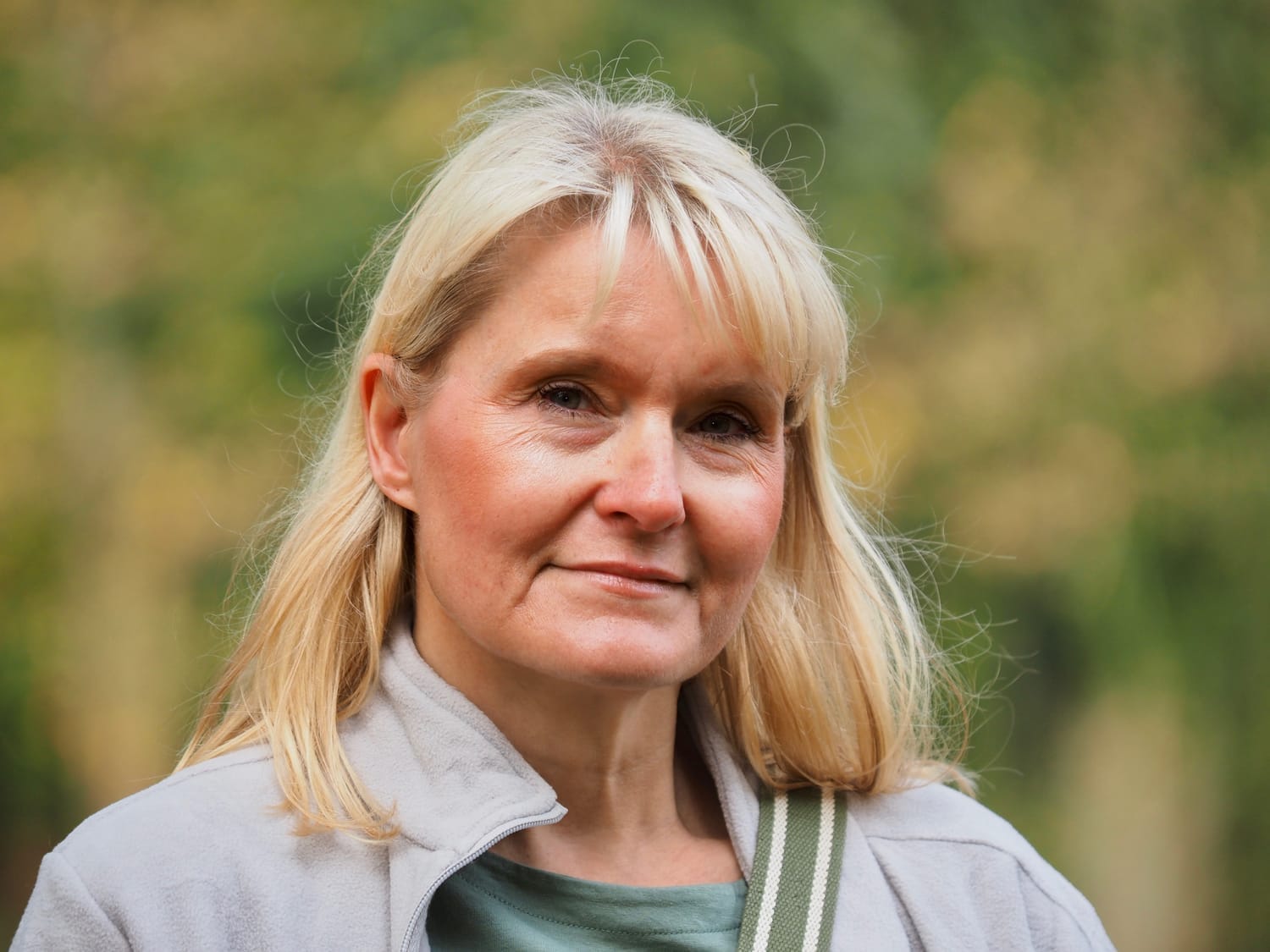
Hi, I'm Petra Earnshaw, an adoptee with ADHD. I am also an ICF ACC Credentialed Advanced-Certified ADHD Life Coach. I share my coaching and late ADHD diagnosis, and share some tips along the way.

GOT A QUESTION YOU'D LIKE TO SHARE?
I love hearing from readers. Whether you have a thought about something I've written, a question about ADHD, or just want to say hello, you can email me directly. I read every message ( and reply when I can).

THINKING ABOUT COACHING?
If you are curious about ADHD Life Coaching, you're welcome to book a complimentary Discovery Call. It's a calm, no-pressure space to talk about what's going on and whether coaching might be supportive.