Calming Techniques for Children With ADHD That Actually Work (In Real Life)
When “just calm down” makes everything worse
If calming your child with ADHD feels impossible some days, you’re not alone.
You might have tried:
deep breathing
time-outs
calm voices
talking it through
And still found that once emotions take over, nothing seems to land.
That’s because for many children with ADHD, calming down isn’t a choice — it’s a nervous system process.
Why ADHD kids struggle to calm themselves
Children with ADHD often experience emotions:
faster
more intensely
for longer
When they’re dysregulated, the thinking part of the brain goes offline. In that state, they can’t:
reason
reflect
respond logically
So techniques that rely on talking or thinking often fail in the moment, not because the child won’t cooperate, but because they can’t.
Regulation comes before calm
One of the most important shifts in ADHD parenting is understanding this:
Calm is not taught — it’s supported.
Children learn to self-regulate by first being co-regulated.
That means your calm nervous system helps settle theirs - over time, not instantly.
Calming techniques that actually help (and why)
These aren’t magic fixes. They’re supports that work because they meet the nervous system where it is.
1. Reduce sensory input
When emotions are high, less is more.
dim the lights
reduce noise
move to a quieter space
This helps the nervous system feel safer.
2. Use movement, not stillness
Many ADHD children calm through movement, not by stopping.
pacing
stretching
wall push-ups
carrying something heavy
This helps release built-up energy.
3. Breathe together (not at them)
Breathing only helps when it’s shared.
sit beside them
breathe slowly yourself
say very little
Your regulation does the work here.
4. Offer predictability, not questions
When a child is overwhelmed, questions can feel like pressure.
Instead of:
“What’s wrong?”
Try:
“I’m here. We’ll figure this out together.”
5. Focus on connection, not correction
Eye contact, proximity, and warmth help settle the nervous system.
Correction can wait.
A calm child can reflect later.
A dysregulated child cannot.
Why calm looks different for ADHD kids
For some children, calm doesn’t mean still or quiet.
It might look like:
drawing
fiddling
rocking
listening to the same song repeatedly
That’s not avoidance, it’s regulation.
What not to do (and why it’s not your fault)
When parents are overwhelmed too, it’s understandable to:
raise your voice
threaten consequences
rush the calm
This doesn’t mean you’re failing.
It means two nervous systems are struggling at once.
Support for parents matters just as much here.
Calm grows over time, not in the moment
The goal isn’t to stop meltdowns completely.
It’s to:
shorten them
reduce their intensity
help your child recover more quickly
That happens gradually, with understanding and support, not pressure.
Ongoing support for parents of children with ADHD
I support parents who are navigating ADHD, often while waiting for a diagnosis, and who want calm, practical guidance without blame or judgement.
If you’d like continued support, you’re very welcome to join my mailing list. I share reassurance, explanations, and practical ideas for parenting children with ADHD, especially in between my three-weekly blog posts.
Join the mailing list here:
https://www.petraearnshawcoaching.co.uk/459435ab
If you’re looking for more personalised support, you can also explore working with me 1:1 or in group coaching via my website.




What others are reading
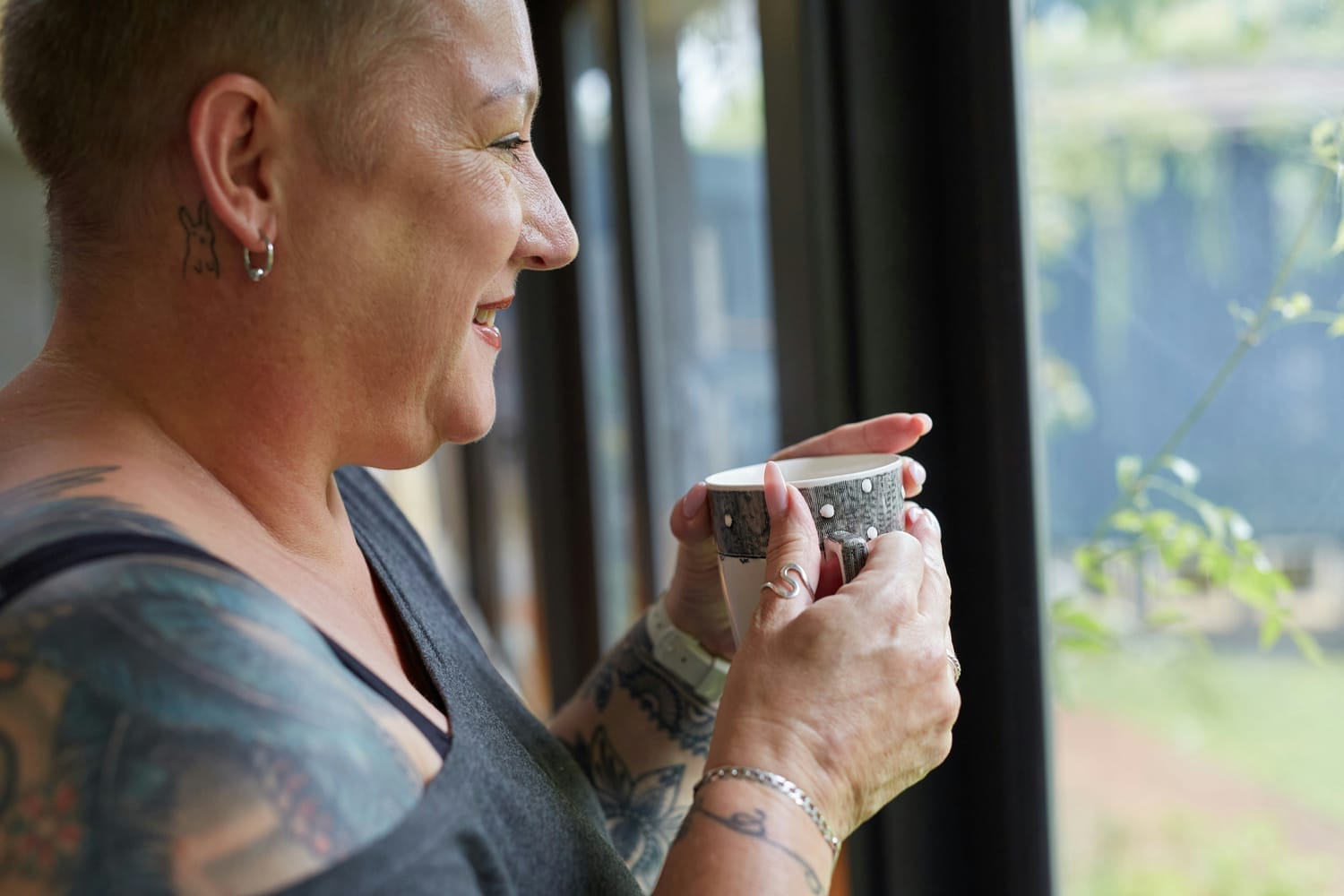
Diagnosed with ADHD at 52, I finally understood why life had always felt harder. This post shares how coaching helped me unlearn shame, embrace difference, and finally work with my ADHD rather than against it.
I set big goals for this holiday, and then felt like I was failing for not meeting them. This post is a reflection on ADHD, high expectations, RSD, and learning to be gentler with myself, one imperfect day at a time.

Rejection Sensitivity Dysphoria (RSD) can make even small comments feel crushing, and it’s often hidden beneath ADHD. This post explores why it happens, how it affects daily life, and what can help you feel more in control.

ABOUT ME
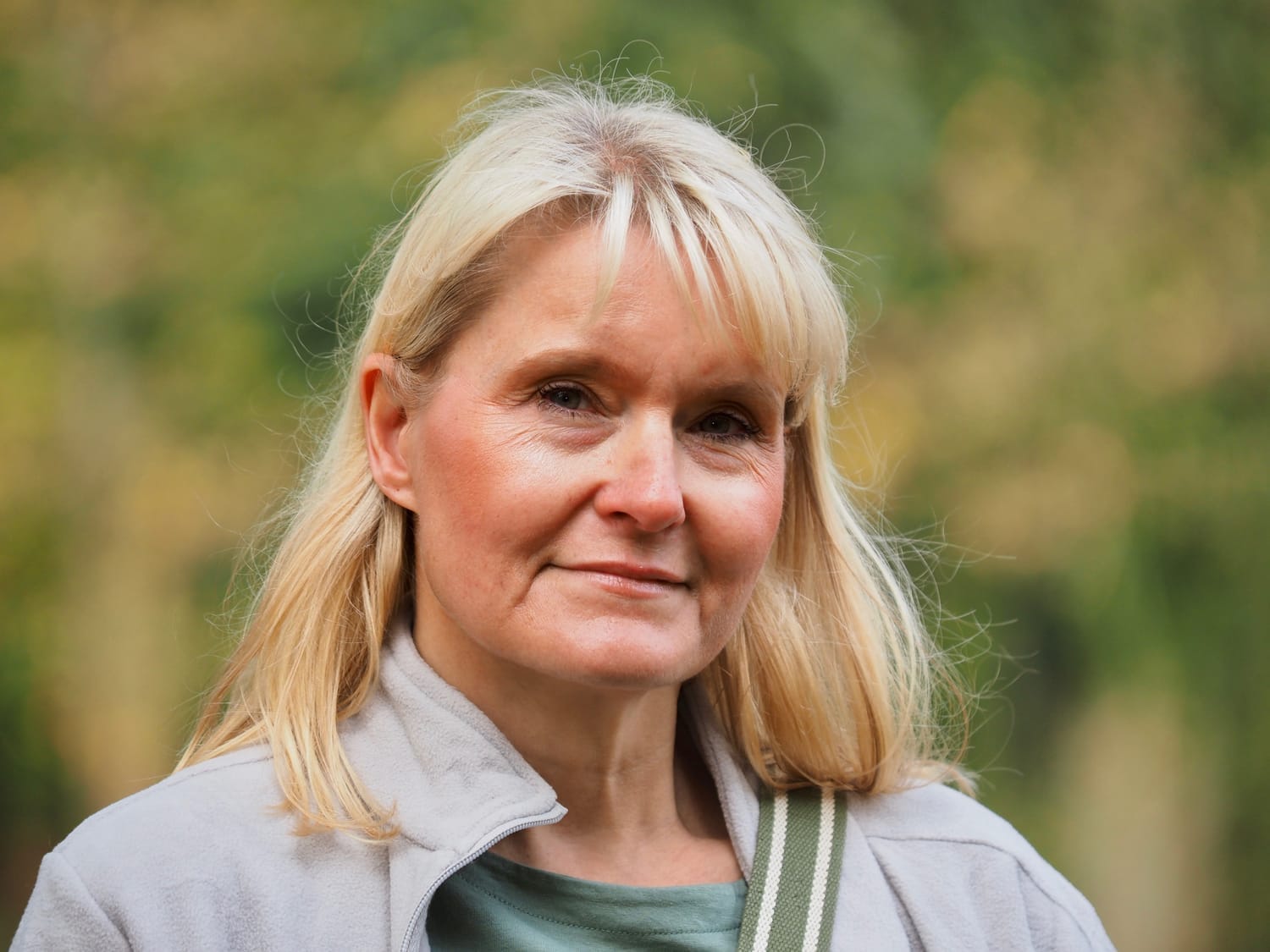
Hi, I'm Petra Earnshaw, an adoptee with ADHD. I am also an ICF ACC Credentialed Advanced-Certified ADHD Life Coach. I share my coaching and late ADHD diagnosis, and share some tips along the way.

GOT A QUESTION YOU'D LIKE TO SHARE?
I love hearing from readers. Whether you have a thought about something I've written, a question about ADHD, or just want to say hello, you can email me directly. I read every message ( and reply when I can).

THINKING ABOUT COACHING?
If you are curious about ADHD Life Coaching, you're welcome to book a complimentary Discovery Call. It's a calm, no-pressure space to talk about what's going on and whether coaching might be supportive.