Easing Back into Routine After the Holidays: How to Rebalance Without Overwhelm
Coming back to ‘normal’ life after the holidays can feel like a shock to the system, especially when you’re someone with ADHD. The sudden shift from festive freedom to expectations and structure can easily bring on overwhelm, low mood or just a feeling of being out of sync. You're not alone if you’re finding it a little harder to get going again.
I’ve noticed that even weekends can be tricky for me because the structure is looser than during the working week. So, having over a week out of my usual routine, with my husband home and everything feeling a little unstructured, had the potential to feel really challenging.
But this year, something felt different.
What helped?
1. I was kind to myself.
Rather than setting up rigid expectations for how I should spend my time, I allowed myself to take proper days off. On other days, I chose to do a little work, but only what felt manageable. It wasn't perfect, but it was intentional.
2. I let go of pressure.
Last Christmas, I was in the thick of my coaching training, and I pushed myself hard. Looking back, I realise I created a lot of unnecessary stress, which actually left me feeling worse. This year, I focused on rest and avoided the guilt that often comes with it. The result? I feel more grounded and more ready to return to work.
3. I prioritised the support I know helps me.
For me, that includes antidepressants to support my Seasonal Affective Disorder (SAD), daily routines like meditation, and giving myself time outdoors. These small practices create a foundation that helps me cope when everything else feels unpredictable.
Tips for getting back into routine — ADHD-style:
Start small. Don’t expect to leap back into full structure straight away. Pick one or two key things to do each day that help you feel anchored.
Avoid all-or-nothing thinking. You don’t need a ‘perfect’ routine to feel supported. A flexible structure is often more sustainable — and more forgiving.
Revisit what works for you. Now’s a good time to reflect on what parts of your routine truly help you feel balanced — and which ones you’ve outgrown.
Build in kindness. Schedule breaks. Rest without guilt. Celebrate small wins.
Ask for support. You don’t have to figure it out alone.
If you’re feeling a bit off-kilter as you ease back into your post-holiday routine, or if ADHD is making it harder to find a rhythm that works for you, I’d love to help.
Book a complimentary Discovery Call to explore how ADHD coaching could support you in finding balance that actually works, not just in January, but long-term.
Book your Discovery Call using this link:
https://app.paperbell.com/checkout/bookings/new?package_id=158968



What others are reading
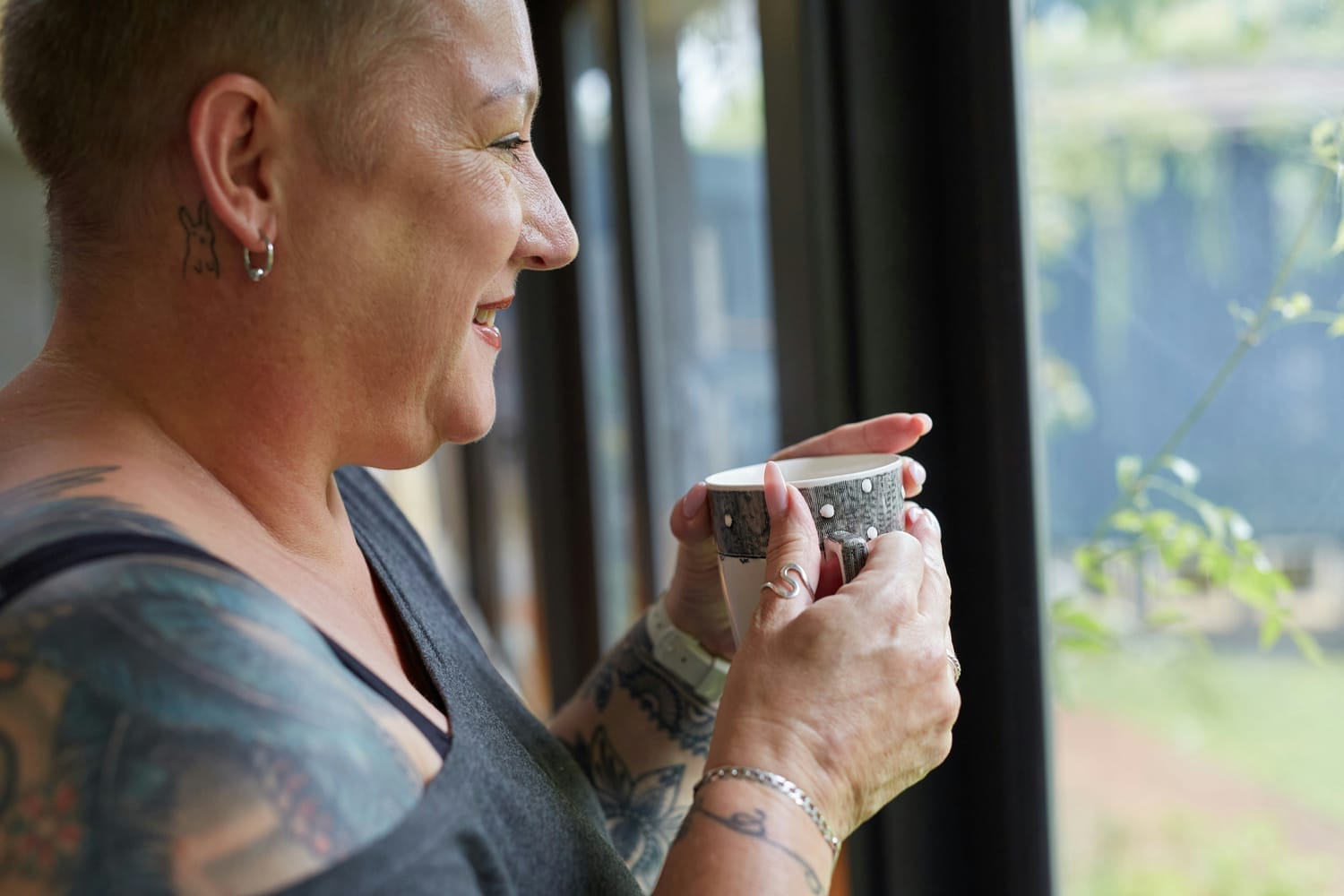
Diagnosed with ADHD at 52, I finally understood why life had always felt harder. This post shares how coaching helped me unlearn shame, embrace difference, and finally work with my ADHD rather than against it.
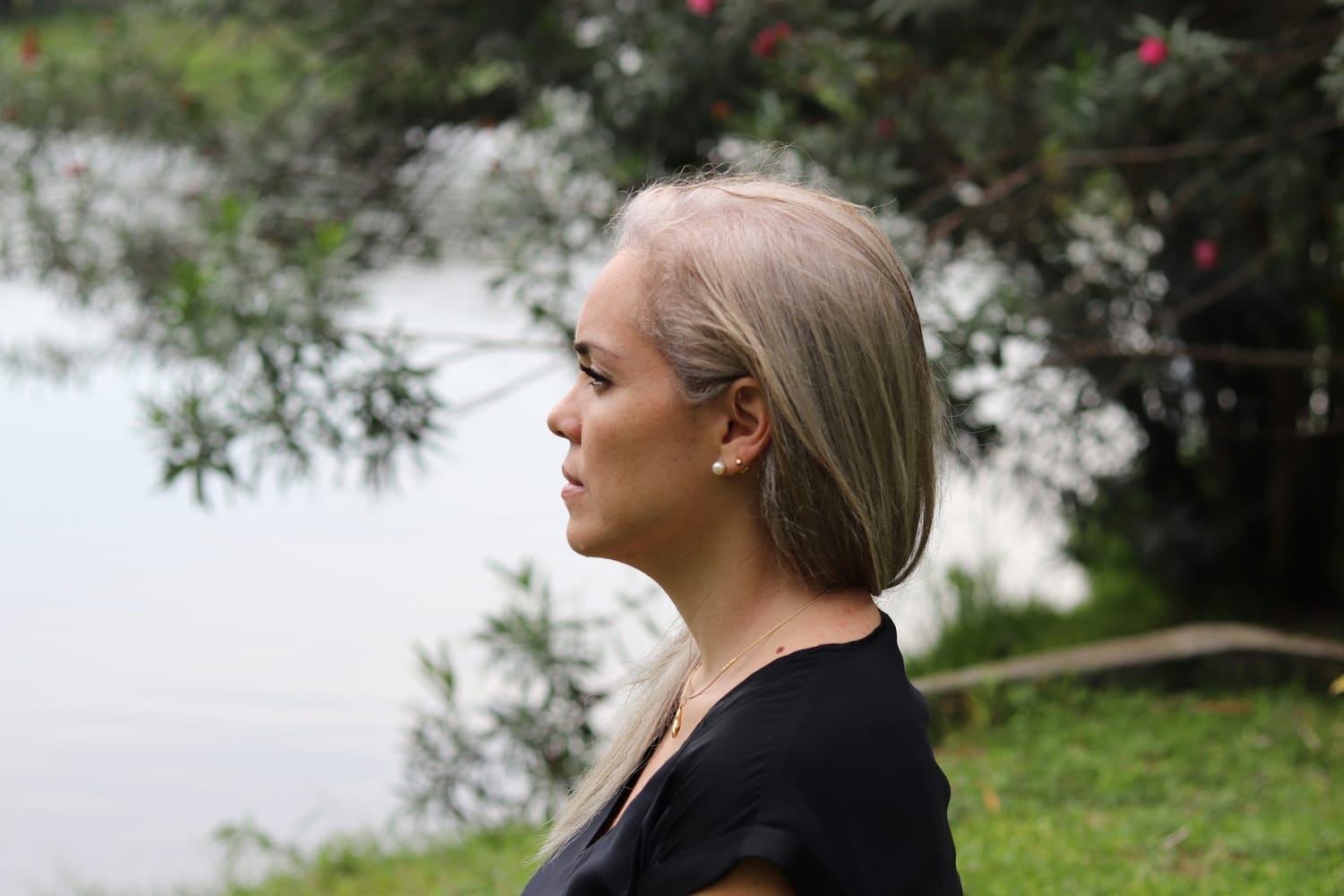
I set big goals for this holiday, and then felt like I was failing for not meeting them. This post is a reflection on ADHD, high expectations, RSD, and learning to be gentler with myself, one imperfect day at a time.

Rejection Sensitivity Dysphoria (RSD) can make even small comments feel crushing, and it’s often hidden beneath ADHD. This post explores why it happens, how it affects daily life, and what can help you feel more in control.

ABOUT ME
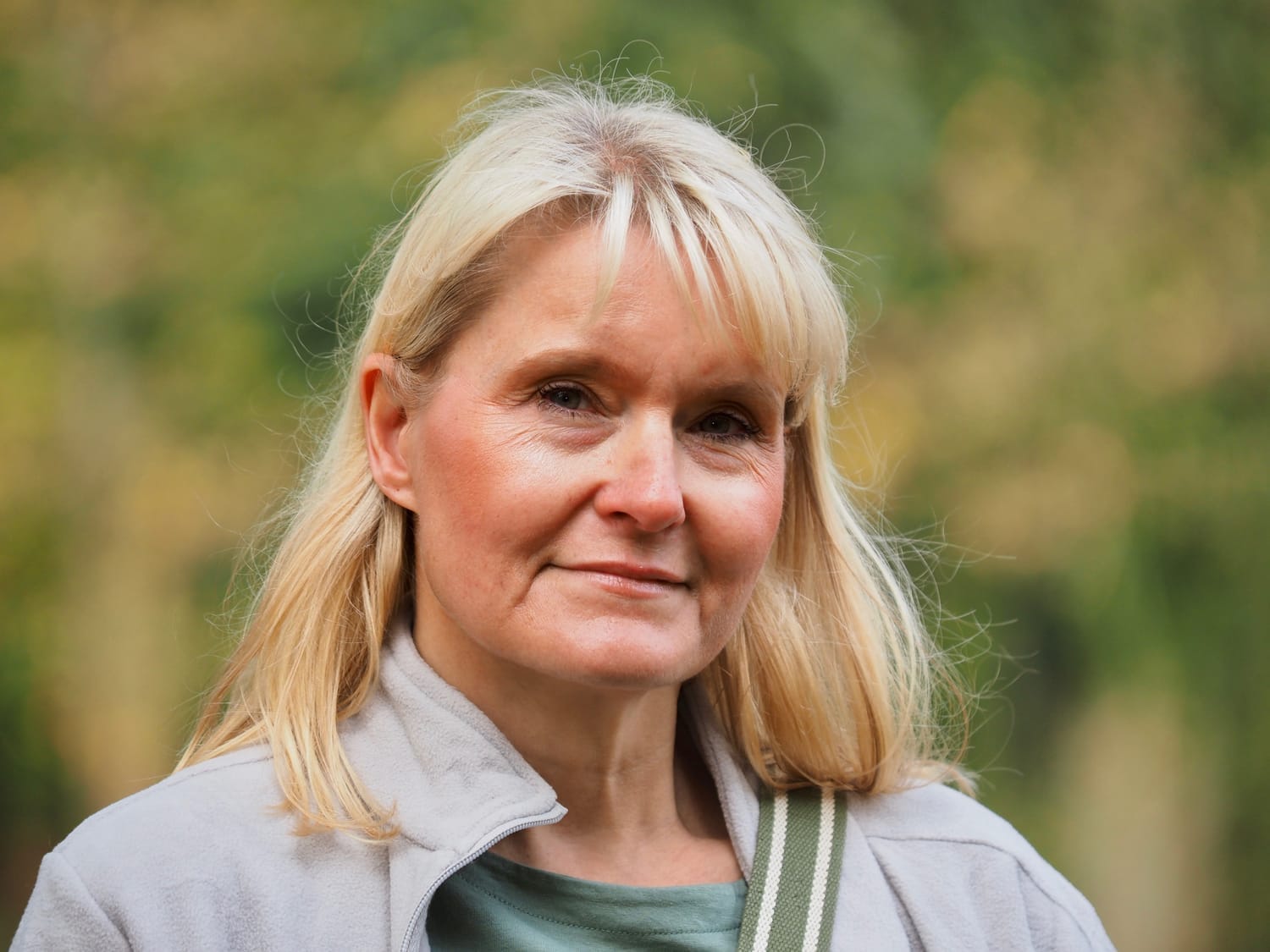
Hi, I'm Petra Earnshaw, an adoptee with ADHD. I am also an ICF ACC Credentialed Advanced-Certified ADHD Life Coach. I share my coaching and late ADHD diagnosis, and share some tips along the way.

GOT A QUESTION YOU'D LIKE TO SHARE?
I love hearing from readers. Whether you have a thought about something I've written, a question about ADHD, or just want to say hello, you can email me directly. I read every message ( and reply when I can).

THINKING ABOUT COACHING?
If you are curious about ADHD Life Coaching, you're welcome to book a complimentary Discovery Call. It's a calm, no-pressure space to talk about what's going on and whether coaching might be supportive.