Embracing Our Unique Minds: Thriving with ADHD by Working with, Not Against, Our Brains
Working With, Not Against, Our ADHD Brains
I had an initial ADHD Life Coaching session with a friend recently. I’ll call him A. Something he said during our conversation has really stayed with me. My interpretation of what he shared is that even the things he’s now great at, like drawing, were really hard for him to learn at first. And yet, he still finds himself thinking he should be able to do things in the same way a neurotypical person would. That stuck with me.
It made me reflect on my own experience during the final year of my degree. I remember how deeply I struggled. There was one moment when I simply couldn’t even face sitting in my study. I cried. I ended up calling my support worker to ask what on earth I should do, and she suggested I go for a walk while listening to music through my headphones. That did help, but it still took me days before I could sit back at my desk.
And yet, at the same time, I was starting my ADHD Life Coach training with the two overlapping by about three weeks. I’ve loved my training. It took me a while to notice it, but I’ve been feeling so much happier recently. So now I find myself wondering: was it the way I was learning that made the difference, or was it that I was learning something that truly suited me? Or maybe it’s a bit of both?
A spoke about his learning style being very visual. He explained that when someone tells him something verbally, he has to work it out in his head before it makes sense, almost like translating into another language. I loved that analogy because it really captured the effort involved when information isn’t presented in the way your brain understands best. It’s double the work if auditory learning doesn’t come naturally.
In that sense, I do feel quite lucky that my ADHD coaching training is presented in lots of different formats. It’s accessible no matter your learning style. But even with that, if I were learning something like law or accountancy in the same way, I think I’d still find it really tough. So I do believe it’s a combination of learning the right subject, and being able to learn it in a way that actually works for us.
If you’re curious about how you learn best, there’s a great resource called VARK: https://vark-learn.com.
Something else A said really hit home, that desire to be able to function like a neurotypical person. I felt exactly the same way. For years, I wanted to just do things the way other people do. But one of the most helpful things my own ADHD coach ever told me was this: it’s not possible for me to do things in the same way as a neurotypical person. And that’s okay. What is possible, and powerful, is learning how to work with my brain, not against it.
For me, that often looks like jumping between tasks in a way that might not appear logical from the outside. But when I try to force myself to follow a step-by-step method, I get nowhere. It doesn’t work for me, and I’ve stopped pretending that it does.
The turning point came when I stopped fighting with my brain and started listening to it instead. The real struggle was never the ADHD itself, it was trying to do life in a way that didn’t fit. Trying to meet other people’s expectations. Trying to act ‘normal’. And honestly, maybe I am fortunate that I work from home, and I’m training from home, and I get to structure my day around my energy and emotions. But wouldn't it be brilliant if everyone had the chance to learn and work in a way that suits their own brain?
I’d love to know your thoughts.
Have you found a learning or working style that fits how you tick?
Or are you still trying to force yourself into a mould that doesn’t feel quite right?
Let’s start having these conversations more often.
If any of this resonates with you, and you're curious about how ADHD Life Coaching could help you understand and work with your unique brain, I’d love to invite you to book a complimentary Discovery Call with me.
It’s a chance to chat about what’s going on for you, ask questions, and see whether coaching feels like the right next step. No pressure, just a conversation:
https://app.paperbell.com/checkout/bookings/new?package_id=158968
You don’t have to figure it all out on your own.



What others are reading

Diagnosed with ADHD at 52, I finally understood why life had always felt harder. This post shares how coaching helped me unlearn shame, embrace difference, and finally work with my ADHD rather than against it.
I set big goals for this holiday, and then felt like I was failing for not meeting them. This post is a reflection on ADHD, high expectations, RSD, and learning to be gentler with myself, one imperfect day at a time.

Rejection Sensitivity Dysphoria (RSD) can make even small comments feel crushing, and it’s often hidden beneath ADHD. This post explores why it happens, how it affects daily life, and what can help you feel more in control.

ABOUT ME
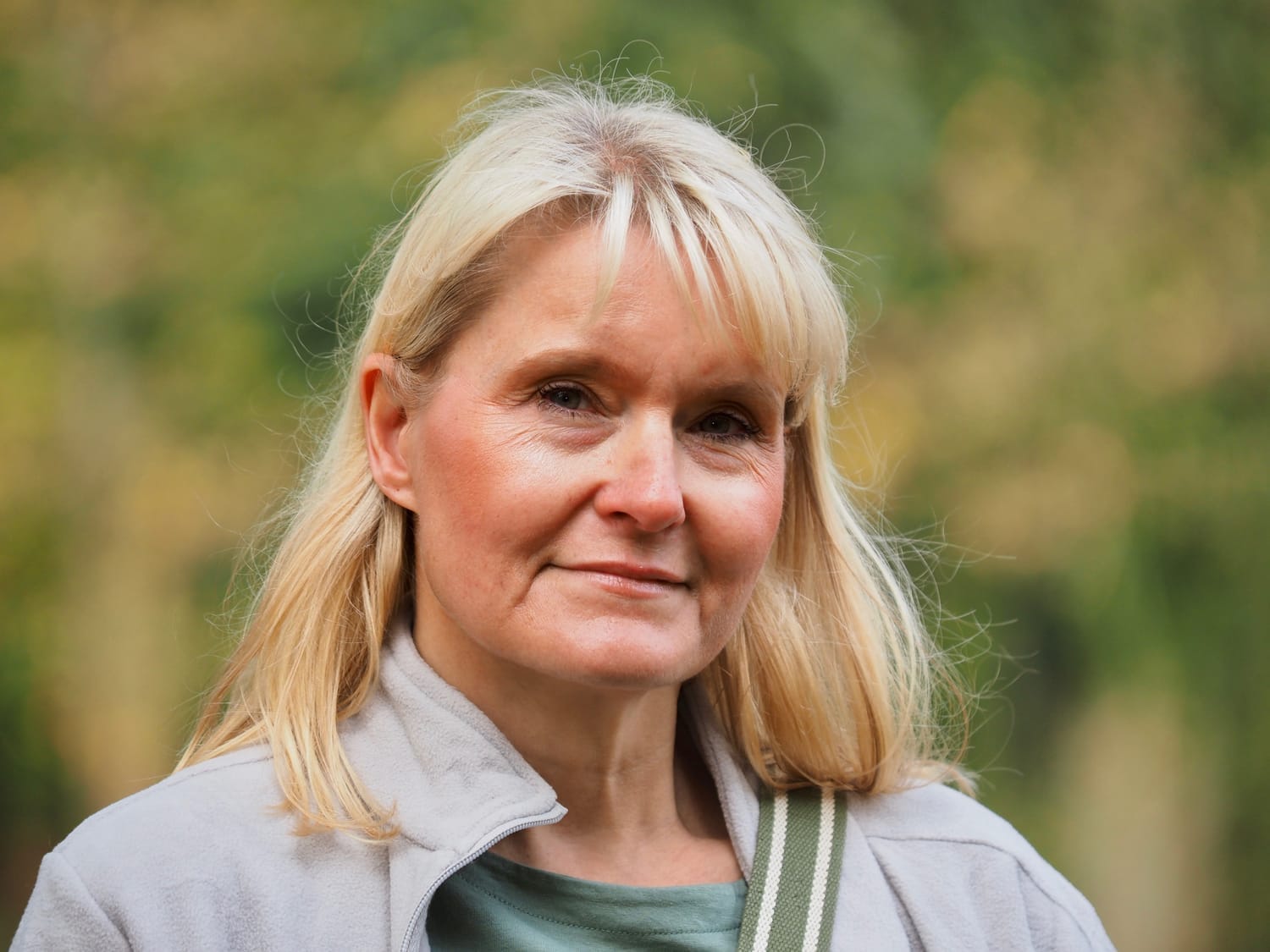
Hi, I'm Petra Earnshaw, an adoptee with ADHD. I am also an ICF ACC Credentialed Advanced-Certified ADHD Life Coach. I share my coaching and late ADHD diagnosis, and share some tips along the way.

GOT A QUESTION YOU'D LIKE TO SHARE?
I love hearing from readers. Whether you have a thought about something I've written, a question about ADHD, or just want to say hello, you can email me directly. I read every message ( and reply when I can).

THINKING ABOUT COACHING?
If you are curious about ADHD Life Coaching, you're welcome to book a complimentary Discovery Call. It's a calm, no-pressure space to talk about what's going on and whether coaching might be supportive.