Equanimity and ADHD: A Path Through Overwhelm
Overwhelm is a common experience for people with ADHD. The racing thoughts, emotional intensity, and constant sense of urgency can feel like standing in the middle of a storm without shelter. In this state, it's easy to become reactive, distracted, or completely shut down.
But there’s a concept, often found in meditation and mindfulness, that can help us navigate this internal storm with a little more ease: equanimity.
What is Equanimity?
Equanimity is the ability to remain calm, grounded, and steady in the face of difficulty. It’s not about ignoring problems or pretending things are fine. It’s about allowing ourselves to fully acknowledge what’s happening, without trying to push it away or fix it immediately. It’s a kind of inner steadiness. A quiet reminder that “this moment is uncomfortable, and I can be with it”. For people with ADHD, developing this kind of mindset can be deeply supportive.
ADHD often brings a heightened sensitivity to stress, interruptions, and emotional shifts. When we’re trying to “get on top of things” or “stay on track” and something throws us off, even something small, it can feel disproportionately disruptive.
Equanimity doesn’t make the challenges disappear, but it gives us a way to relate to them differently.
Equanimity for People with ADHD
Practising equanimity might look like:
Pausing when you notice overwhelm creeping in, instead of immediately reacting or trying to ‘push through’.
Acknowledging that your mind is jumping between tasks, and gently bringing it back, without criticism.
Allowing yourself to rest, even if things feel unfinished.
Recognising that your feelings are valid, but you don’t have to act on every one of them straight away.
It’s about creating space, the kind of space that allows us to respond, rather than react.
Equanimity for Parents of Children with ADHD
Equanimity is also a powerful tool for parents and carers of children with ADHD. Parenting a neurodivergent child can bring unique emotional, practical, and relational challenges. There may be moments of frustration, worry, guilt, or even grief.
Practising equanimity as a parent doesn’t mean accepting poor behaviour or difficult situations without action. Instead, it means learning to stay grounded in the face of the moment, even the messy ones.
It might look like:
Taking a breath before responding to your child’s meltdown or defiance.
Acknowledging your own emotional triggers and giving yourself compassion.
Staying calm and steady, so your child can co-regulate with you.
Holding space for both challenge and hope, without swinging between extremes.
Children with ADHD often need emotional co-regulation from the adults around them. When parents can model equanimity, it creates a more stable emotional environment, which supports the whole family.
Equanimity is a Practice
None of us are born with perfect emotional steadiness, especially those of us with ADHD. Equanimity isn’t something we master once; it’s something we practice over time. Some days it’s easier than others. Some moments test us more than we expect. That’s normal.
Meditation, mindfulness, and coaching are all powerful ways to build this skill gently and consistently.
In a coaching relationship, equanimity can also be something we create together. A calm space. A supportive environment. A reminder that it’s okay to slow down and meet yourself where you are.
If you're living with ADHD, or parenting someone who is, and you're feeling overwhelmed, it might help to talk. I offer complimentary Discovery Calls to explore whether coaching could support you or your family. You're warmly invited to book one here:
https://app.paperbell.com/checkout/bookings/new?package_id=158968


What others are reading

Diagnosed with ADHD at 52, I finally understood why life had always felt harder. This post shares how coaching helped me unlearn shame, embrace difference, and finally work with my ADHD rather than against it.

I set big goals for this holiday, and then felt like I was failing for not meeting them. This post is a reflection on ADHD, high expectations, RSD, and learning to be gentler with myself, one imperfect day at a time.

Rejection Sensitivity Dysphoria (RSD) can make even small comments feel crushing, and it’s often hidden beneath ADHD. This post explores why it happens, how it affects daily life, and what can help you feel more in control.

ABOUT ME
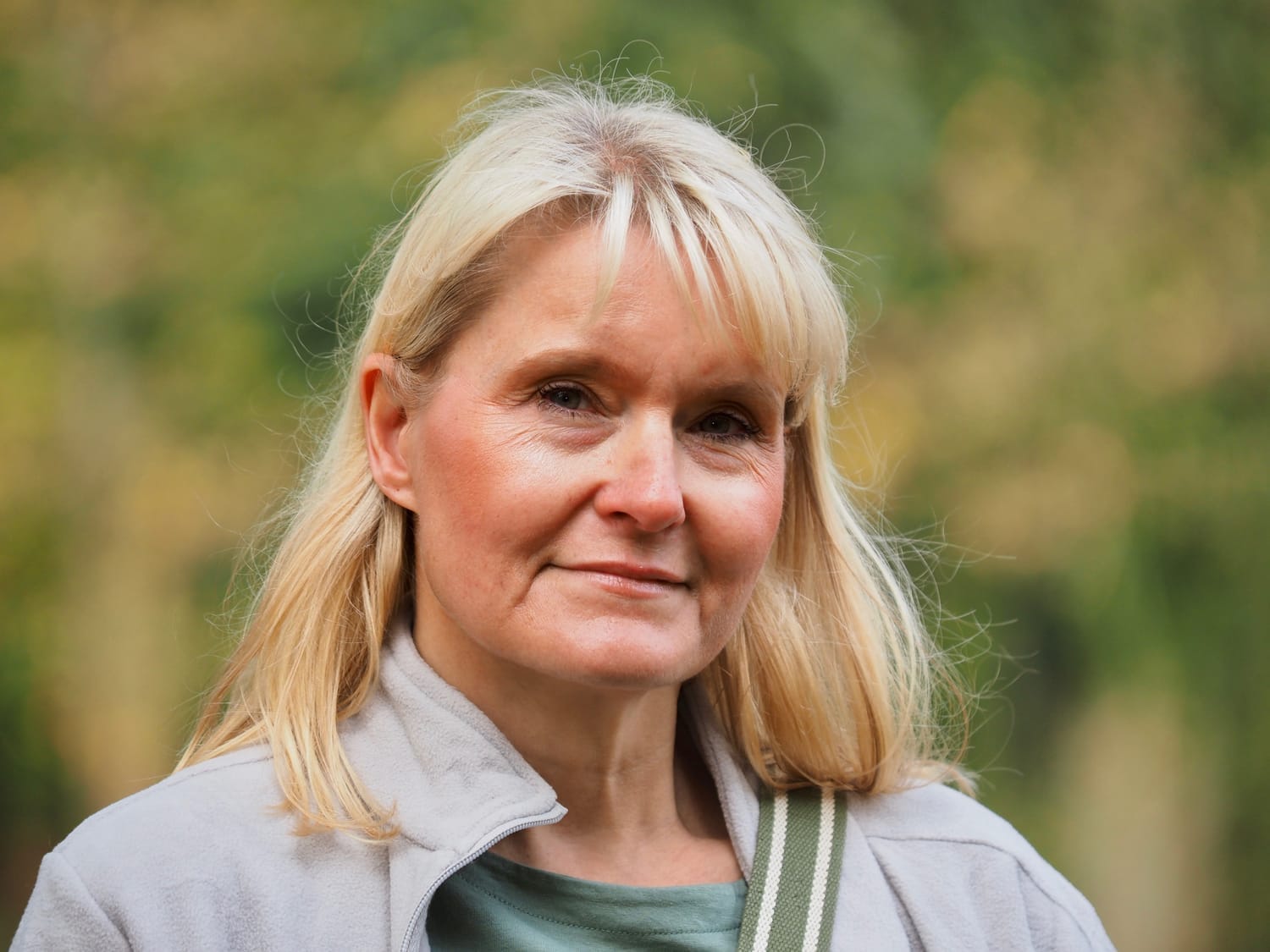
Hi, I'm Petra Earnshaw, an adoptee with ADHD. I am also an ICF ACC Credentialed Advanced-Certified ADHD Life Coach. I share my coaching and late ADHD diagnosis, and share some tips along the way.

GOT A QUESTION YOU'D LIKE TO SHARE?
I love hearing from readers. Whether you have a thought about something I've written, a question about ADHD, or just want to say hello, you can email me directly. I read every message ( and reply when I can).

THINKING ABOUT COACHING?
If you are curious about ADHD Life Coaching, you're welcome to book a complimentary Discovery Call. It's a calm, no-pressure space to talk about what's going on and whether coaching might be supportive.