
How to Make Decisions Faster When You Have ADHD
Do you ever find yourself stuck in decision paralysis, spending far too long trying to weigh up every option? Whether it is what to eat for dinner or something more important, even simple choices can become overwhelming with ADHD.
ADHD affects executive function, which means things like prioritising, impulse control, and working memory are all impacted. These are key to decision-making. When they are not working well, you can end up overthinking, avoiding, or delaying decisions until you are forced into a rushed choice under pressure.
The good news is that there are ways to make decisions feel easier and less stressful, especially when you approach them in a way that works for your ADHD brain.
Why decision-making can be so hard with ADHD
Having too many options can lead to brain overload. ADHD makes it harder to filter what matters. You might find yourself stuck analysing every detail, which makes it hard to choose anything at all.
There can also be fear around making the wrong decision. If you have made impulsive or unhelpful choices in the past, it makes sense that you might now avoid deciding altogether. This is often linked to perfectionism, especially with bigger decisions.
Time blindness plays a part too. ADHD can make it difficult to feel the urgency of a decision until the last minute. That is why you might leave things until the pressure kicks in.
Emotion can also take over. If a decision triggers anxiety or frustration, it can be tempting to avoid it completely just to escape the discomfort.
Ways to make decision-making easier
Try aiming for good enough rather than perfect. Most decisions do not need to be flawless. Ask yourself if this will still matter in a week. Ask what is the worst that could happen. And remind yourself that you can usually change your mind later.
Limit your choices. Too many options can lead to decision fatigue. Try narrowing it down to just two or three. Whether you are choosing a meal or deciding your next work task, keeping it simple helps. If you are still stuck, try flipping a coin. If you feel disappointed by the result, your answer is already clear.
Set time limits. ADHD brains often respond well to urgency. Give yourself a time window to decide, then stick to it. That might be one minute for a small decision or a day for something bigger. You could even count down from five and make your choice before you reach zero.
Reduce the mental load by building routines. Default choices help take pressure off your brain. That could mean rotating a few breakfast options or having a go-to outfit combination. The fewer daily decisions you have to make, the more energy you will have for the ones that matter.
Ask for input. Talking a decision through with someone can help bring clarity. Whether it is a friend or a coach, having a sounding board makes things easier. You do not have to decide everything on your own.
Finally, remind yourself that most decisions are reversible. You can try something out and change course later if needed. Taking the pressure off getting it exactly right can make it easier to move forward.
Final thoughts
Decision-making with ADHD can feel exhausting, but it does not have to stay that way. When you simplify your choices, add structure, and let go of perfection, it becomes much easier to take action with confidence.
If you find that decision-making is something you struggle with often, ADHD coaching can really help. Book a complimentary Discovery Call, and we can explore practical tools that support the way your brain works:
https://app.paperbell.com/checkout/bookings/new?package_id=158968

What others are reading

Diagnosed with ADHD at 52, I finally understood why life had always felt harder. This post shares how coaching helped me unlearn shame, embrace difference, and finally work with my ADHD rather than against it.

I set big goals for this holiday, and then felt like I was failing for not meeting them. This post is a reflection on ADHD, high expectations, RSD, and learning to be gentler with myself, one imperfect day at a time.

Rejection Sensitivity Dysphoria (RSD) can make even small comments feel crushing, and it’s often hidden beneath ADHD. This post explores why it happens, how it affects daily life, and what can help you feel more in control.

ABOUT ME
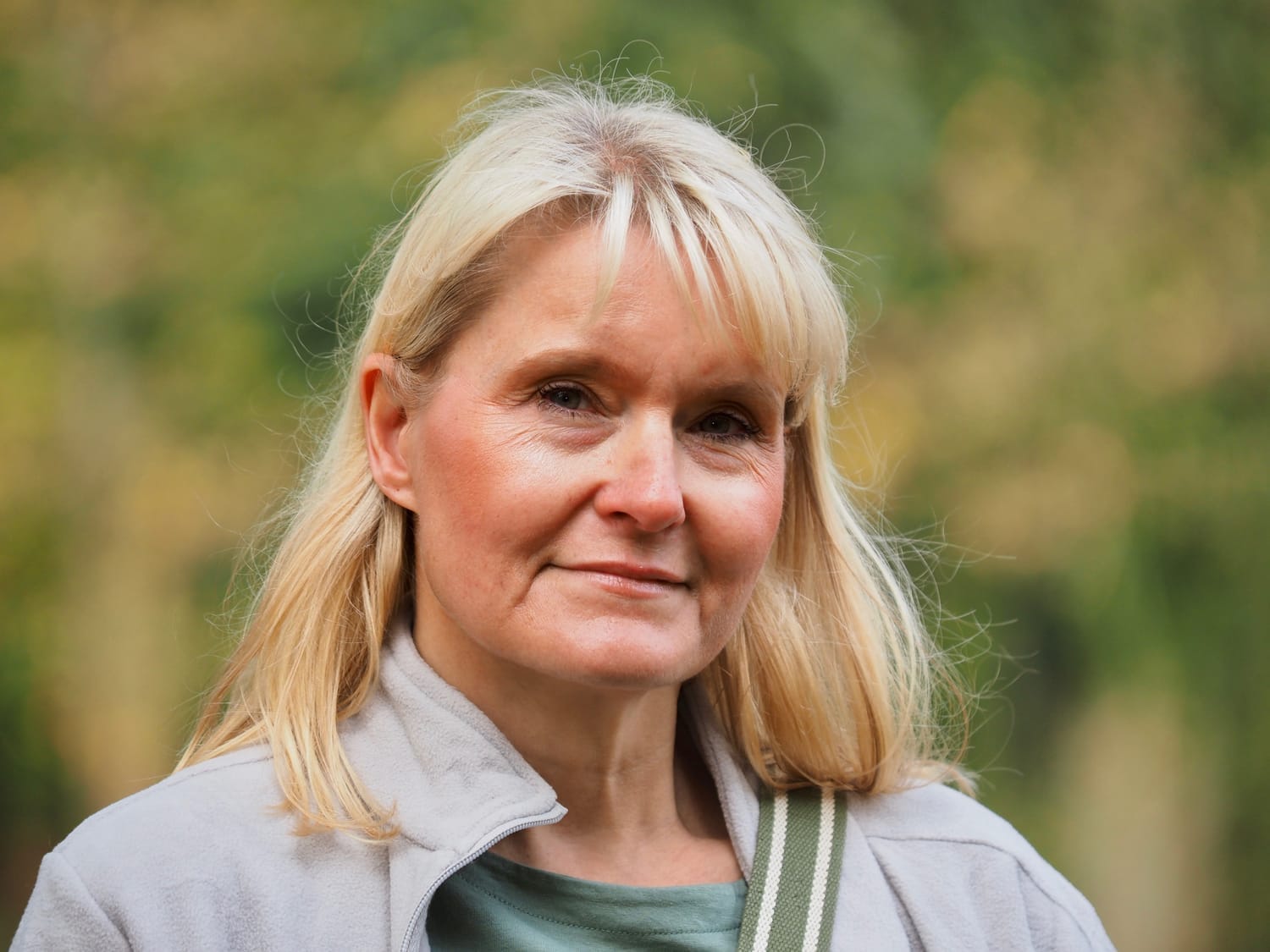
Hi, I'm Petra Earnshaw, an adoptee with ADHD. I am also an ICF ACC Credentialed Advanced-Certified ADHD Life Coach. I share my coaching and late ADHD diagnosis, and share some tips along the way.

GOT A QUESTION YOU'D LIKE TO SHARE?
I love hearing from readers. Whether you have a thought about something I've written, a question about ADHD, or just want to say hello, you can email me directly. I read every message ( and reply when I can).

THINKING ABOUT COACHING?
If you are curious about ADHD Life Coaching, you're welcome to book a complimentary Discovery Call. It's a calm, no-pressure space to talk about what's going on and whether coaching might be supportive.