Language and Loss in Adoption
Language matters, especially when speaking with adoptees about their adoption. The words we choose can have a profound emotional impact, shaping an adoptee’s sense of self and understanding of their story.
For example, saying that a child was placed for adoption is far more supportive than saying they were given up. While it may seem like a small difference, the implication of being "given up" can feel deeply rejecting. Careful, respectful language helps reduce the risk of reinforcing feelings of abandonment.
Some adoptees are told that their birth mother placed them for adoption “because she loved them so much.” While this may be well-intentioned, it can cause confusion or fear. A child may begin to worry that anyone who loves them deeply might also leave them. A more supportive message might be: “Your birth mother wanted to keep you safe and secure, but she wasn't in a position to provide that at the time.” This offers a clearer, more grounded explanation, without reinforcing fears around love and loss.
When adoptive parents explain how their child came to live with them, it’s also important to avoid portraying themselves as “rescuers” or casting the birth parents in a negative light. Children benefit from having access to their whole story, told with compassion and without judgement.
Adoptive parents are often excited to celebrate the day their child joined the family. While this is understandable, it’s important to recognise that adoption involves loss for every member of the triad — the adoptee, the birth parents, and the adoptive parents. For the adoptee, that day may feel more complicated. What feels like a joyful anniversary to the parents may feel to the child like a reminder of separation and relinquishment. It's essential to hold space for all of these emotions, even if they seem to conflict.
If any of this resonates with you, or if you're navigating the complexities of adoption, either as an adoptee, adoptive parent, or birth parent, you may benefit from Adoption Attuned Coaching. I invite you to book a complimentary Discovery Call to explore whether this support might be helpful for you.
You can book here:
👉 https://app.paperbell.com/checkout/bookings/new?package_id=158968



What others are reading
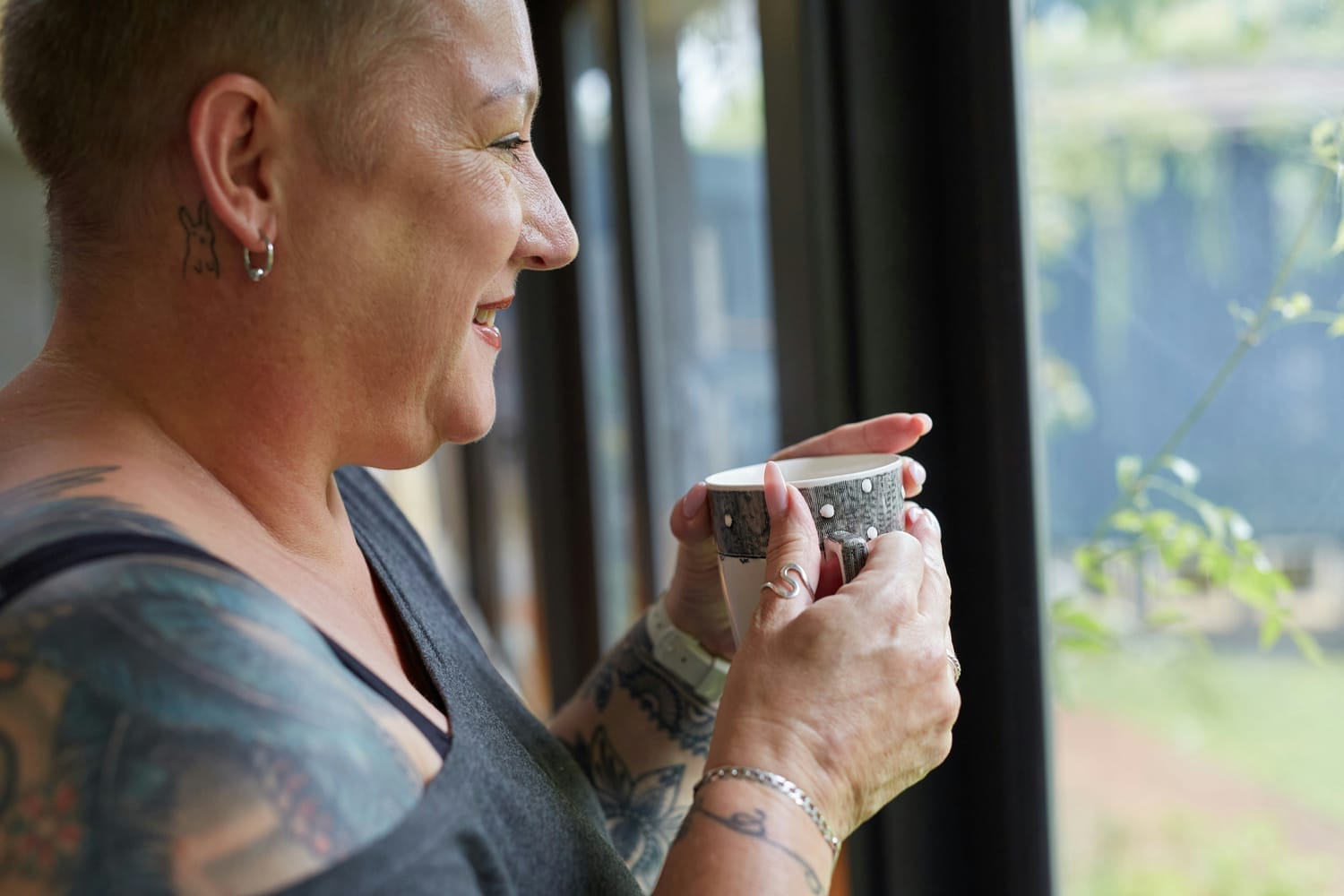
Diagnosed with ADHD at 52, I finally understood why life had always felt harder. This post shares how coaching helped me unlearn shame, embrace difference, and finally work with my ADHD rather than against it.
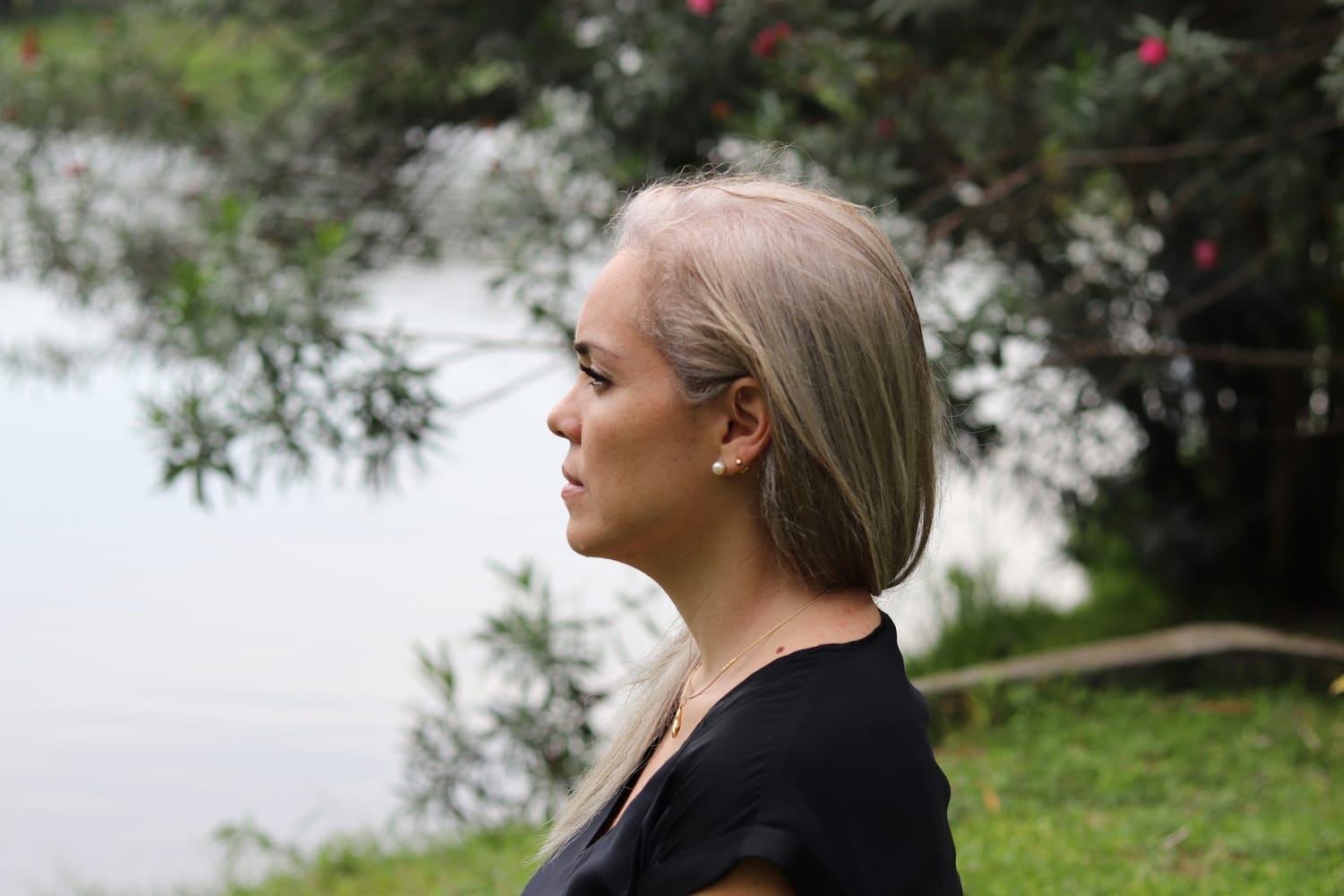
I set big goals for this holiday, and then felt like I was failing for not meeting them. This post is a reflection on ADHD, high expectations, RSD, and learning to be gentler with myself, one imperfect day at a time.

Rejection Sensitivity Dysphoria (RSD) can make even small comments feel crushing, and it’s often hidden beneath ADHD. This post explores why it happens, how it affects daily life, and what can help you feel more in control.

ABOUT ME
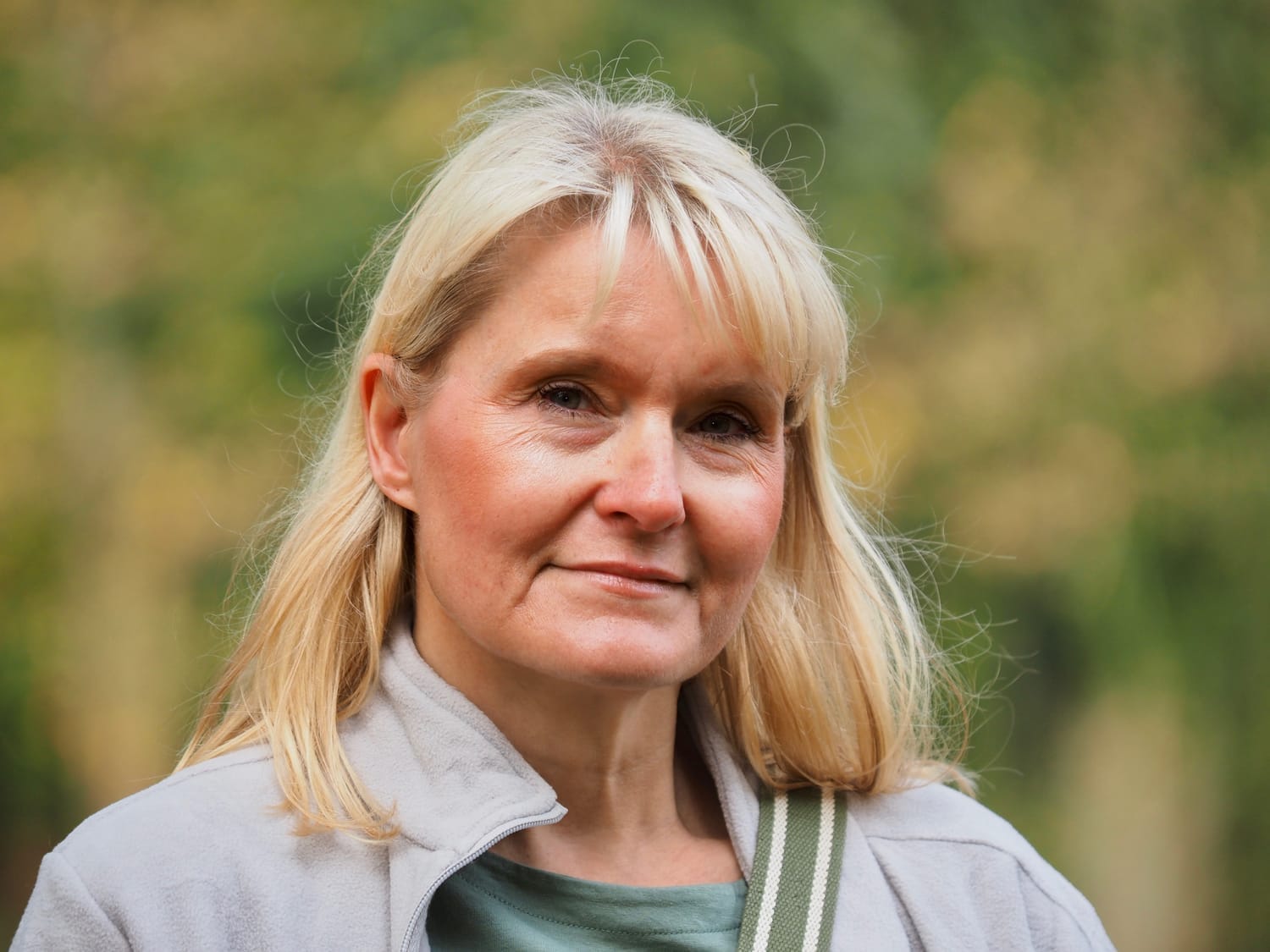
Hi, I'm Petra Earnshaw, an adoptee with ADHD. I am also an ICF ACC Credentialed Advanced-Certified ADHD Life Coach. I share my coaching and late ADHD diagnosis, and share some tips along the way.

GOT A QUESTION YOU'D LIKE TO SHARE?
I love hearing from readers. Whether you have a thought about something I've written, a question about ADHD, or just want to say hello, you can email me directly. I read every message ( and reply when I can).

THINKING ABOUT COACHING?
If you are curious about ADHD Life Coaching, you're welcome to book a complimentary Discovery Call. It's a calm, no-pressure space to talk about what's going on and whether coaching might be supportive.