
Late ADHD Diagnosis: Grieving the Past and Moving Forward with Self-Compassion
Getting diagnosed with ADHD as an adult can be a life-changing moment. For some, it’s a relief, finally, an explanation for years of struggles. But for many, it also brings a wave of grief.
You might find yourself thinking:
~How different would my life be if I had known sooner?
~Why did no one notice?
~I’ve spent years struggling when I didn’t have to.
It’s completely normal to grieve the time, opportunities, and self-esteem lost before your diagnosis. But while the past can’t be changed, you can choose how you move forward, with self-compassion, understanding, and a new sense of possibility.
Why Late Diagnosis Can Bring Grief
1. Feeling Like You "Missed Out" on an Easier Life
You might wonder how things could have been different if you had been diagnosed earlier, in school, at work, in relationships. Maybe you struggled with self-doubt, were labelled lazy, or had to work twice as hard as everyone else. The realisation that support was possible but never given can be painful.
2. Internalised Shame and Self-Blame
Many people with ADHD spend years believing they are "not trying hard enough" or that their struggles are a personal failing. A late diagnosis can bring clarity, but also frustration at how much self-blame you carried for things that were never your fault.
3. Regret Over Past Decisions
You might look back at choices you made, career paths, relationships, unfinished projects, and wonder if ADHD played a role. This can lead to feelings of regret and "what if?" thinking.
4. Anger at the System That Failed You
For many women, non-hyperactive ADHD symptoms were overlooked for decades. You might feel anger towards teachers, doctors, or even family members who dismissed your struggles.
How to Process ADHD-Related Grief
1. Recognise That Your Feelings Are Valid
Grief isn’t just about losing a person, it’s also about lost time, lost opportunities, and the loss of an old identity. It’s okay to mourn the version of yourself that never got the support she needed.
~Allow yourself to feel sadness, frustration, or anger without judgment.
~Talk to others who were diagnosed late, you’re not alone.
2. Reframe Your Story
Instead of focusing on what you lost, try reframing your diagnosis as a turning point.
Instead of: "I lost so much time."
Try: "Now, I understand myself better than ever."
Instead of: "I failed because of ADHD."
Try: "I succeeded despite having undiagnosed ADHD."
This doesn’t erase the pain, but it helps shift the focus towards what you can do now.
3. Self-Compassion Over Self-Blame
You didn’t fail, you were trying to survive without a map.
~If you were inconsistent, it wasn’t laziness—it was executive dysfunction.
~If you struggled in school, it wasn’t a lack of intelligence, it was an unsupported brain.
~ If you burned out, it wasn’t weakness, it was pushing too hard for too long. Your past self did the best she could with the knowledge and tools she had. Now, you can be kind to her instead of blaming her.
4. Focus on What You Can Control Now
While you can’t change the past, you can make choices that support you now.
~Find ADHD-friendly ways to work with your brain.
~Build self-care habits that prevent burnout.
~Seek support—coaching, therapy, and ADHD communities.
~Set new goals with the knowledge of how your brain actually works.
Every step forward is a step towards the life you deserve.
Final Thoughts
Grieving a late ADHD diagnosis is real, valid, and understandable. But your story isn’t over—you have so much ahead of you. With self-compassion, reframing, and support, you can move forward in a way that finally works for your unique brain.
If you are struggling to process a late ADHD diagnosis and want support to move forward with confidence, book a complimentary Discovery Call today:
https://app.paperbell.com/checkout/bookings/new?package_id=158968
You do not have to navigate this alone.


What others are reading

Diagnosed with ADHD at 52, I finally understood why life had always felt harder. This post shares how coaching helped me unlearn shame, embrace difference, and finally work with my ADHD rather than against it.

I set big goals for this holiday, and then felt like I was failing for not meeting them. This post is a reflection on ADHD, high expectations, RSD, and learning to be gentler with myself, one imperfect day at a time.

Rejection Sensitivity Dysphoria (RSD) can make even small comments feel crushing, and it’s often hidden beneath ADHD. This post explores why it happens, how it affects daily life, and what can help you feel more in control.

ABOUT ME
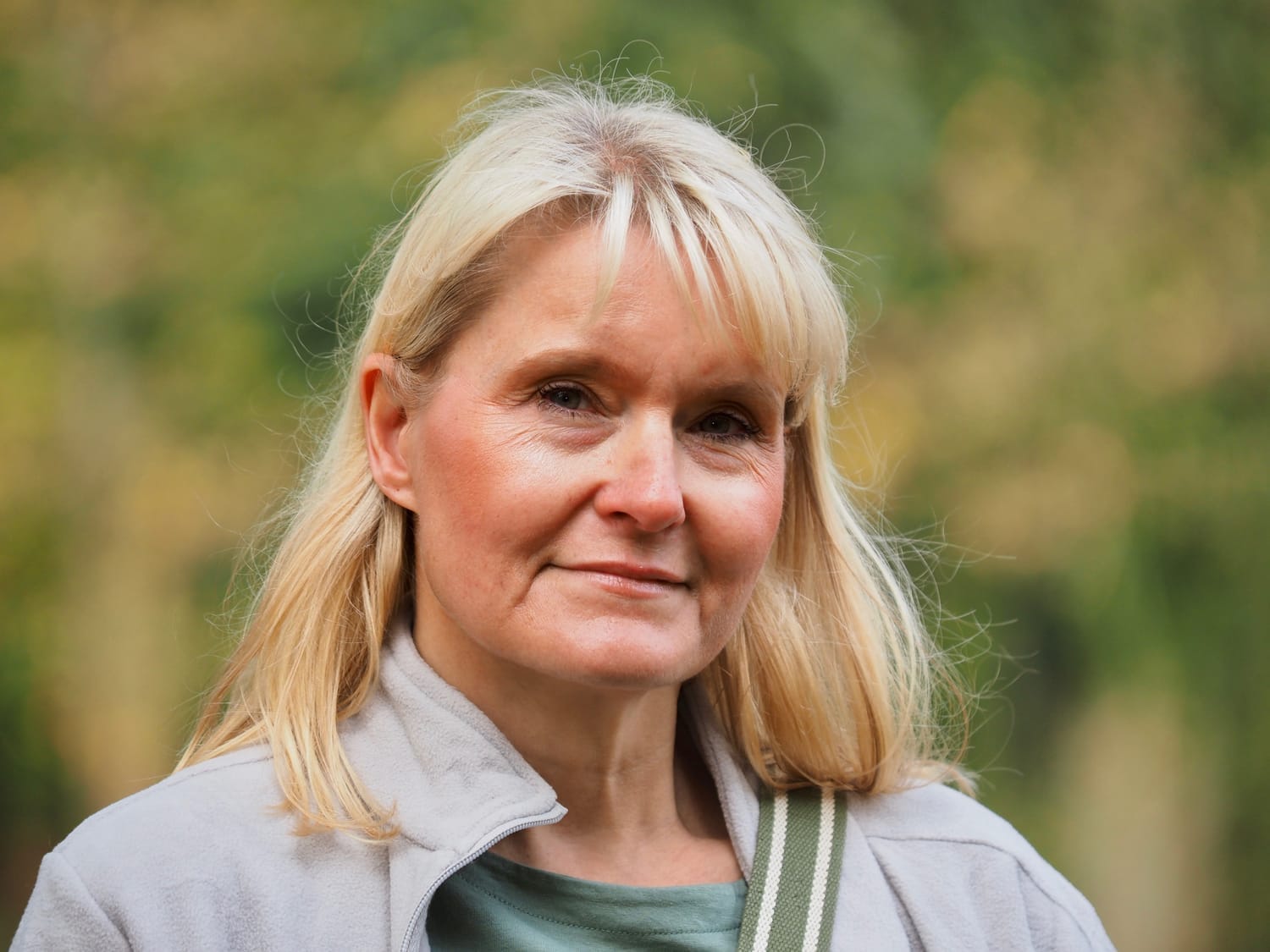
Hi, I'm Petra Earnshaw, an adoptee with ADHD. I am also an ICF ACC Credentialed Advanced-Certified ADHD Life Coach. I share my coaching and late ADHD diagnosis, and share some tips along the way.

GOT A QUESTION YOU'D LIKE TO SHARE?
I love hearing from readers. Whether you have a thought about something I've written, a question about ADHD, or just want to say hello, you can email me directly. I read every message ( and reply when I can).

THINKING ABOUT COACHING?
If you are curious about ADHD Life Coaching, you're welcome to book a complimentary Discovery Call. It's a calm, no-pressure space to talk about what's going on and whether coaching might be supportive.