
My Desk, My Boundary
When I was about ten years old, I went to my school piano lesson, and when I came back to my classroom, I discovered that my teacher had decided to tidy my desk.
Everything was neat. Ordered. Arranged. Nothing where I had left it.
My teacher had decided, in my absence, that my desk needed sorting out and had taken it upon herself to do exactly that. No warning. No conversation. No asking whether that was alright with me.
I still think about it now, decades later.
My parents were very strict, so the fact that they appeared shocked about this suggested that my teacher really had crossed a line.
Why does this still matter?
Because I struggled with organisation as a child. Not because I was lazy. Not because I did not care. Not because I was being deliberately difficult or disruptive.
I just could not do it the way everyone else seemed to be able to.
My desk was chaotic because my brain was wired differently. I did not have the language for it at the time. I do now. And looking back, I can see so clearly the child I was, the one who was trying, genuinely trying, and who came back from piano one afternoon to find that her best efforts had been silently judged, overridden and erased.
This is what I want you to know about your child
If you have a child with ADHD, a child whose room is always a mess, whose school bag is a mystery, whose bedroom floor is a hazard zone, I want you to hear this:
Their disorganisation is not laziness. It is not defiance. It is not a character flaw or a choice.
It is ADHD.
The ADHD brain genuinely struggles with what is called executive function, the set of mental skills that help us plan, organise, manage time, and keep track of things. For children with ADHD, these skills are significantly harder to develop and maintain. It is not a matter of trying harder. It is a matter of a brain that is wired differently.
When we treat disorganisation as a behaviour problem, something to be corrected, tidied away, or managed by someone else stepping in without explanation, we send a child a message they may carry for the rest of their life.
The message that they are not good enough as they are.
A note on girls in particular
I did not receive an ADHD diagnosis as a child. Most girls my age did not, and many girls still do not, in nearly the numbers they should.
ADHD in girls often presents differently from the textbook picture of the bouncing-off-the-walls boy that many people imagine. Girls are far more likely to be quietly disorganised, internally distracted, socially anxious, and endlessly apologetic about all of it. They mask. They compensate. They work twice as hard to appear fine.
And they are missed.
This is something I am passionate about as an advocate for Find the ADHD Girls, an organisation working to raise awareness of how ADHD presents in girls, and to help girls receive a diagnosis by the age of eight. Because the earlier a girl understands why her brain works the way it does, the less time she spends believing that something is simply wrong with her.
What you can do
If you are a parent of a child with ADHD, here are some gentle starting points:
Separate the behaviour from the child. The messy desk, the lost PE kit, the forgotten homework, these are symptoms, not character. Try to respond to them as problems to solve together rather than evidence of failure.
Ask before you act. Children with ADHD often feel out of control in a world that moves faster than they can manage. Giving them a say in how their own spaces are organised, even if the result is still imperfect, builds trust and supports their developing sense of agency.
Learn how their brain works. Understanding ADHD properly changes everything. Not the stereotype version, the real version.
Get support. Parenting a child with ADHD is relentless and often isolating. You do not have to figure it out alone.
I became an ADHD Life Coach because I know what it feels like to be the child in that classroom. And I work with parents because I also know that you are doing your absolute best with a set of challenges that most people around you cannot fully see.
Your child's brain is not broken. It is different. And different, with the right understanding and support, can be extraordinary.
If you would like to find out more about how I work with parents of children with ADHD, book a complimentary Discovery Call here. I would love to chat with you.
https://www.petraearnshawcoaching.co.uk/discovery-call
If you would like to find out more first, head to my website at:
https://www.petraearnshawcoaching.co.uk/
Petra Earnshaw is an ICF ACC-Credentialed Advanced-Certified ADHD Life Coach working exclusively with parents of children with ADHD. She is also an advocate for Find the ADHD Girls, raising awareness of how ADHD presents in girls to support earlier diagnosis.




What others are reading
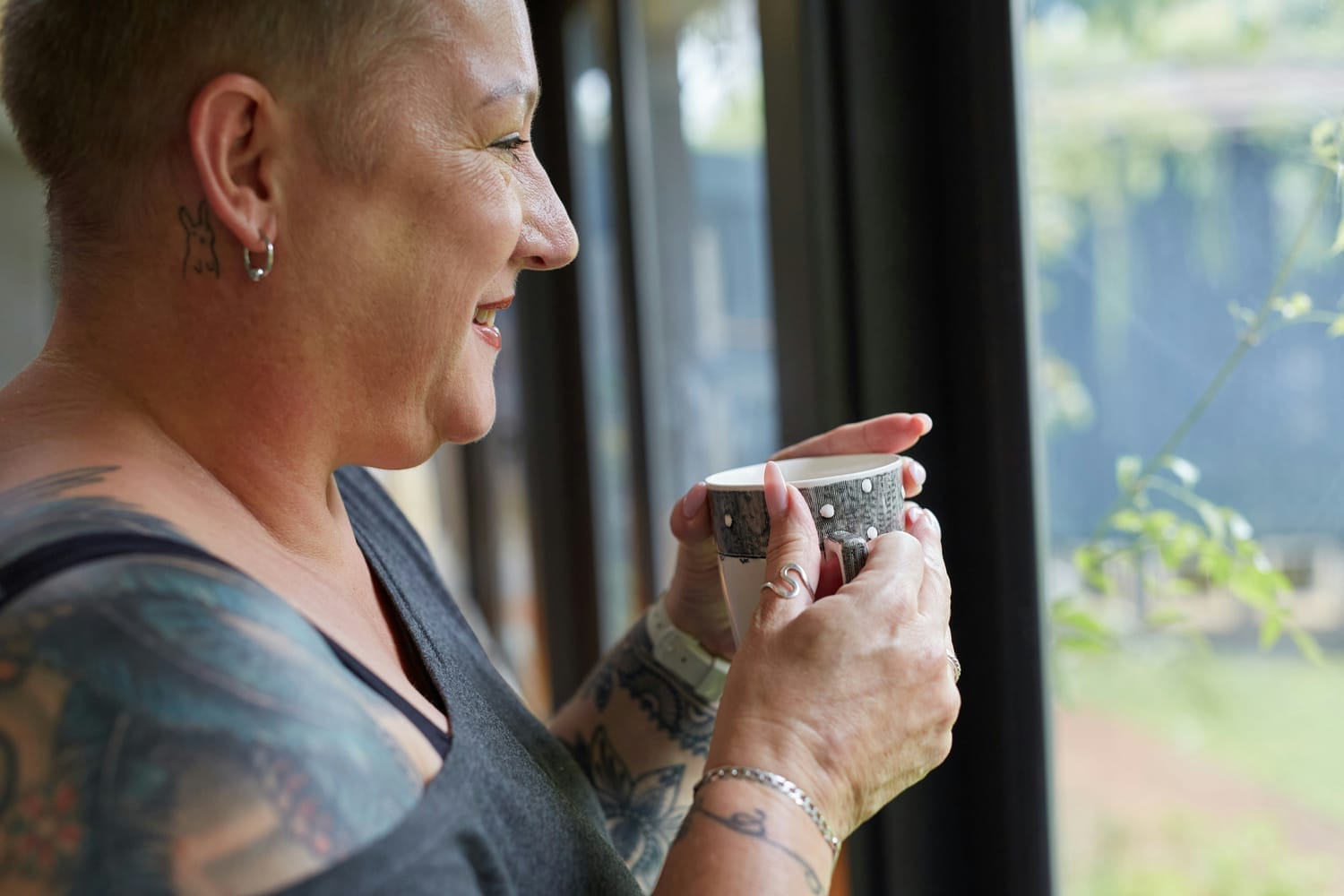
Diagnosed with ADHD at 52, I finally understood why life had always felt harder. This post shares how coaching helped me unlearn shame, embrace difference, and finally work with my ADHD rather than against it.

I set big goals for this holiday, and then felt like I was failing for not meeting them. This post is a reflection on ADHD, high expectations, RSD, and learning to be gentler with myself, one imperfect day at a time.

Rejection Sensitivity Dysphoria (RSD) can make even small comments feel crushing, and it’s often hidden beneath ADHD. This post explores why it happens, how it affects daily life, and what can help you feel more in control.

ABOUT ME
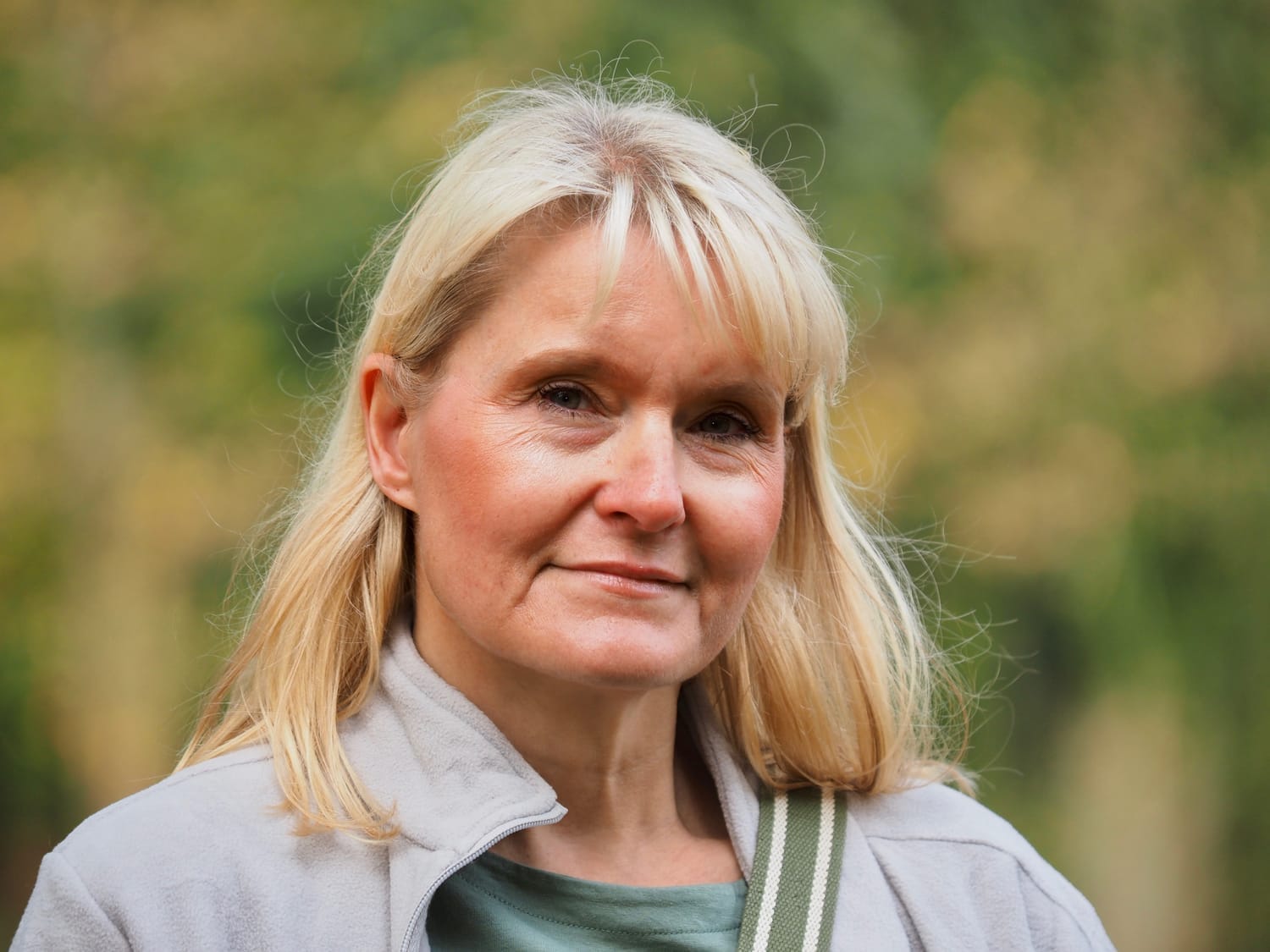
Hi, I'm Petra Earnshaw, an adoptee with ADHD. I am also an ICF ACC Credentialed Advanced-Certified ADHD Life Coach. I share my coaching and late ADHD diagnosis, and share some tips along the way.

GOT A QUESTION YOU'D LIKE TO SHARE?
I love hearing from readers. Whether you have a thought about something I've written, a question about ADHD, or just want to say hello, you can email me directly. I read every message ( and reply when I can).

THINKING ABOUT COACHING?
If you are curious about ADHD Life Coaching, you're welcome to book a complimentary Discovery Call. It's a calm, no-pressure space to talk about what's going on and whether coaching might be supportive.