Navigating ADHD and Adoption: Setting Boundaries and Finding Balance
Adoptees with ADHD often face challenges that are not always easy to put into words. These challenges can affect everyday life, self-worth and relationships. One area that frequently arises in my work and in conversations with adoptees is the challenge of setting and maintaining boundaries. This is often closely linked to a strong desire to please others.
In this blog post, I want to explore the overlap between ADHD and adoption, especially how these experiences can affect boundaries and self-awareness. We will explore why these issues arise, how they manifest in everyday life, and some ways to start gently working towards healthier boundaries that support your well-being.
Understanding ADHD in Adoptees
ADHD is a neurodevelopmental condition that affects focus, emotional regulation and impulse control. It also affects how we plan, prioritise and manage our energy. For adoptees, living with ADHD can bring an extra layer of complexity. When adoption is part of your story, there may already be a deep-rooted need to feel safe, accepted or chosen. ADHD can intensify that need and make it even harder to stay connected to your own needs. That is why understanding your own brain and how it affects your emotions and behaviours is such an important step.
Why People-Pleasing Feels So Familiar
Many adoptees describe themselves as people-pleasers. This often begins early in life, rooted in a hope that if they can just be good enough or helpful enough, they will be accepted and loved. When ADHD is also present, it can become even harder to notice or challenge this pattern. You might find yourself saying yes when you want to say no, or putting everyone else’s needs ahead of your own. Emotional sensitivity, low self-trust and impulsive responses can make it really difficult to pause and ask yourself what you actually need.
The Impact of Adoption on Boundaries
Adoption often involves a complex emotional landscape. Feelings of abandonment or rejection may lead to a strong desire to be liked, approved of or included. This can make it hard to set boundaries or speak up. You might worry that if you say no, you will be rejected again. Or you might not even be sure what your boundaries are because you have spent so long trying to fit in. This is completely understandable, and you are not alone in feeling this way.
How ADHD Makes Boundary Work Even Harder
ADHD can make boundary setting more difficult in several ways. Difficulties with executive functioning might mean you struggle with impulse control, emotional regulation or clear communication. You might not notice until afterwards that someone has crossed a line. Or you might struggle to explain your limits without feeling guilty or awkward. This does not mean you are not capable of setting boundaries. It just means you may need to learn how to do it in a way that works for your brain.
Steps Towards Healthier Boundaries
There are ways to work with this. Learning to set boundaries is a skill, and like any skill, it can be learned and practised. Some helpful strategies include:
Building self-awareness around what feels okay and what does not
Working with an ADHD Life Coach to explore your people-pleasing patterns
Trying mindfulness practices that help you notice your emotions in the moment
Exploring CBT techniques to challenge unhelpful thoughts around guilt or rejection
Finding support groups where you feel understood and heard
These are just a few options. The most important thing is to begin by getting curious about what works for you.
Why Support Makes a Difference
Having a strong support system can be a game-changer. Whether it is a coach, therapist, friend, partner or peer group, being around people who see you and support your growth makes a big difference. You do not have to figure this out alone. In fact, the more connected you feel to safe, supportive people, the easier it becomes to practise new ways of being.
Self-Compassion is Key
Adoptees with ADHD often have very high expectations of themselves and can be incredibly hard on themselves when things do not go to plan. Learning to show yourself kindness and compassion is not just a nice idea. It is an essential part of healing. When you make a mistake or find yourself falling into old patterns, try to notice that without judgement. You are doing the best you can with the tools you have, and you are allowed to be gentle with yourself as you grow.
Navigating boundaries as an adoptee with ADHD can feel complicated, but it is something that can be worked on. With self-understanding, the right support and a compassionate approach, you can begin to create relationships that honour your needs and protect your energy.
If this speaks to your experience and you are curious about how ADHD Life Coaching could support you, I invite you to book a complimentary Discovery Call with me.
It is a space where we can talk through what is going on for you and explore whether coaching feels like the right next step. There is no pressure at all, just an opportunity to connect and be heard.
You can book your Discovery Call here: https://app.paperbell.com/checkout/bookings/new?package_id=158968
You deserve support that works for you.



What others are reading
Diagnosed with ADHD at 52, I finally understood why life had always felt harder. This post shares how coaching helped me unlearn shame, embrace difference, and finally work with my ADHD rather than against it.
I set big goals for this holiday, and then felt like I was failing for not meeting them. This post is a reflection on ADHD, high expectations, RSD, and learning to be gentler with myself, one imperfect day at a time.

Rejection Sensitivity Dysphoria (RSD) can make even small comments feel crushing, and it’s often hidden beneath ADHD. This post explores why it happens, how it affects daily life, and what can help you feel more in control.

ABOUT ME
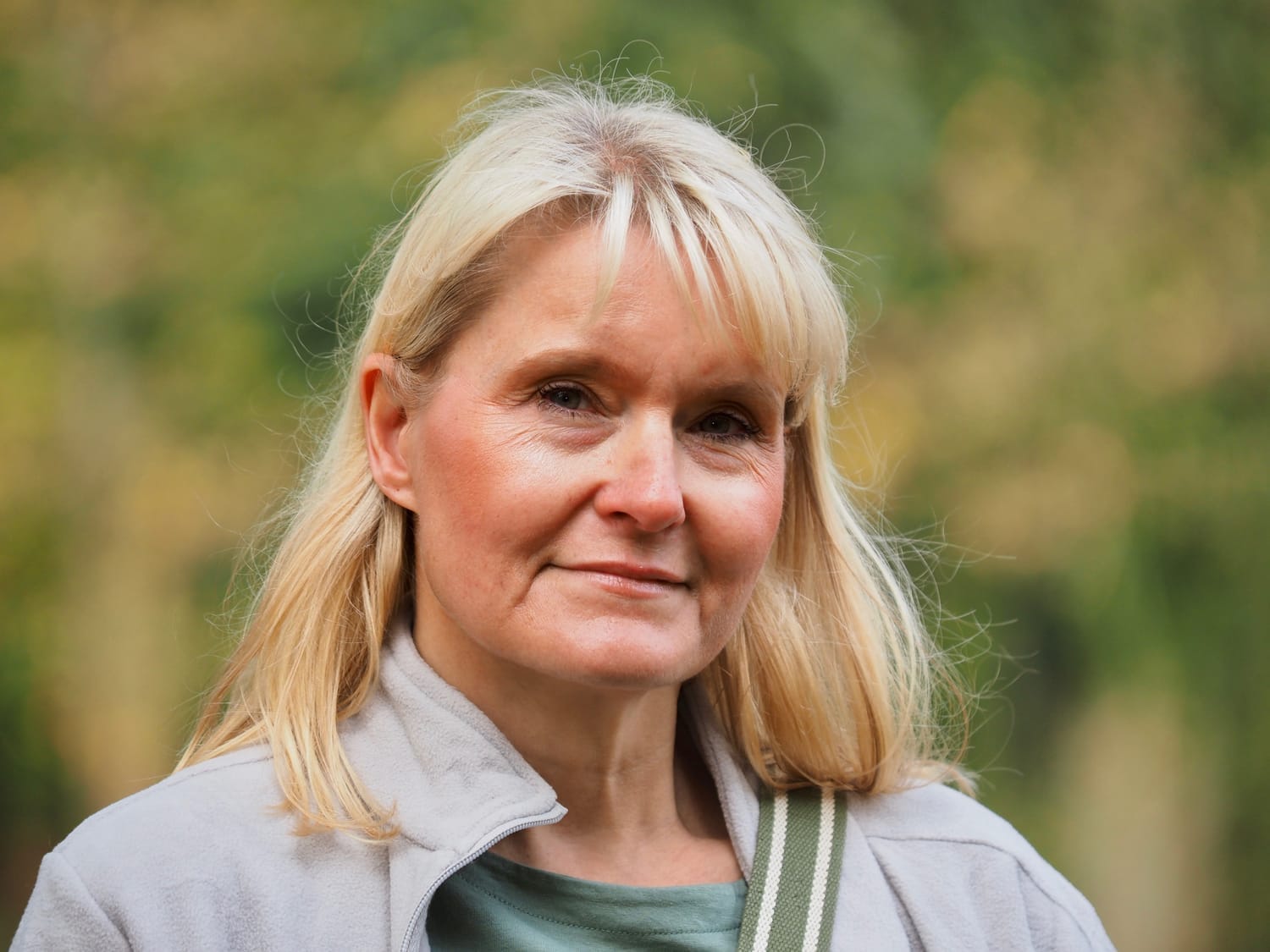
Hi, I'm Petra Earnshaw, an adoptee with ADHD. I am also an ICF ACC Credentialed Advanced-Certified ADHD Life Coach. I share my coaching and late ADHD diagnosis, and share some tips along the way.

GOT A QUESTION YOU'D LIKE TO SHARE?
I love hearing from readers. Whether you have a thought about something I've written, a question about ADHD, or just want to say hello, you can email me directly. I read every message ( and reply when I can).

THINKING ABOUT COACHING?
If you are curious about ADHD Life Coaching, you're welcome to book a complimentary Discovery Call. It's a calm, no-pressure space to talk about what's going on and whether coaching might be supportive.