Parenting an ADHD Child: The Power of the 5 C’s
When you’re raising a child with ADHD, some days feel like a beautiful adventure, and others feel like you’re trying to herd butterflies with a teaspoon. There’s so much love, but there’s also intensity, unpredictability, and the constant sense that you’re “supposed to” be doing it better, calmer, faster, or more consistently.
The truth? Parenting an ADHD child isn’t about perfection. It’s about connection and understanding. And that’s where the 5 C’s can be incredibly grounding. These principles help you shift from firefighting to guiding and offer a compassionate roadmap for moments when everything feels a bit too much.
Let’s walk through them together.
1. Self-Control
This one sounds unfair at first, doesn’t it? Because you’re already doing your best not to snap or spiral when your child is melting down because the sock seam feels “wrong”. But here’s the magic of this C: it’s not about never losing your cool. It’s about noticing your own emotional state before reacting.
When you regulate yourself, your child has a better chance of regulating too. Think of your calm as the anchor they cling to when their own brain feels stormy. A breath. A pause. A small reset. These moments help shift a conflict into a connection.
2. Compassion
Your child isn’t giving you a hard time; they’re having a hard time. ADHD makes emotions bigger, impulses quicker, and frustrations sharper. Compassion doesn’t mean letting everything slide. It means remembering that they’re struggling, not misbehaving on purpose.
Sometimes the most powerful thing you can say is, “I see this is hard for you. I’m here.”
3. Collaboration
Traditional parenting leans heavily on telling children what to do. ADHD parenting thrives when we work with our children rather than at them. Collaborative problem-solving helps your child feel capable, respected, and involved.
Instead of, “You need to start your homework now,” try, “How can we make homework time feel easier for you today?”
When children have ownership, their motivation grows.
4. Consistency
ADHD brains love predictability. Patterns soothe the chaos. But, and this is your permission slip, consistency does not mean rigid schedules or colour-coded everything. It simply means being as steady as you realistically can be.
The same morning rhythm most days.
The same approach to reminders.
The same expectations, explained kindly and repeatedly.
Consistency creates safety, and safety supports growth.
5. Celebration
Oh, this one is my favourite. ADHD kids hear plenty of criticism in the world—some subtle, some painfully direct. But they also do so many things worth celebrating. Tiny wins, huge wins, brave attempts, creative ideas, kind gestures, moments where they try again after struggling.
Celebration builds their confidence. It says, “You’re more than your challenges. I see your brilliance.”
A simple “I noticed you kept going even when it was tricky—well done” can mean the world.
Bringing the 5 C’s together
These principles aren’t rules. They’re invitations. They encourage connection over control, understanding over frustration, and teamwork over conflict. And the beautiful part is that you don’t have to nail all five every day. Think of them like tools in a basket. Pick up the one you need in the moment.
ADHD parenting will always have messy days. But with the 5 C’s, you’ve got a compass to guide you back to compassion, connection, and calm. And remember: you’re learning, too. You’re growing alongside your child. And that absolutely counts.
If you’d like to learn how to start integrating the 5 C’s into your everyday parenting, I’d love to guide you. Let’s make things feel calmer, more connected, and a whole lot easier for both you and your child. Use this link to book a complimentary Discovery Call:
https://app.paperbell.com/checkout/bookings/new?package_id=158968




What others are reading

Diagnosed with ADHD at 52, I finally understood why life had always felt harder. This post shares how coaching helped me unlearn shame, embrace difference, and finally work with my ADHD rather than against it.

I set big goals for this holiday, and then felt like I was failing for not meeting them. This post is a reflection on ADHD, high expectations, RSD, and learning to be gentler with myself, one imperfect day at a time.

Rejection Sensitivity Dysphoria (RSD) can make even small comments feel crushing, and it’s often hidden beneath ADHD. This post explores why it happens, how it affects daily life, and what can help you feel more in control.

ABOUT ME
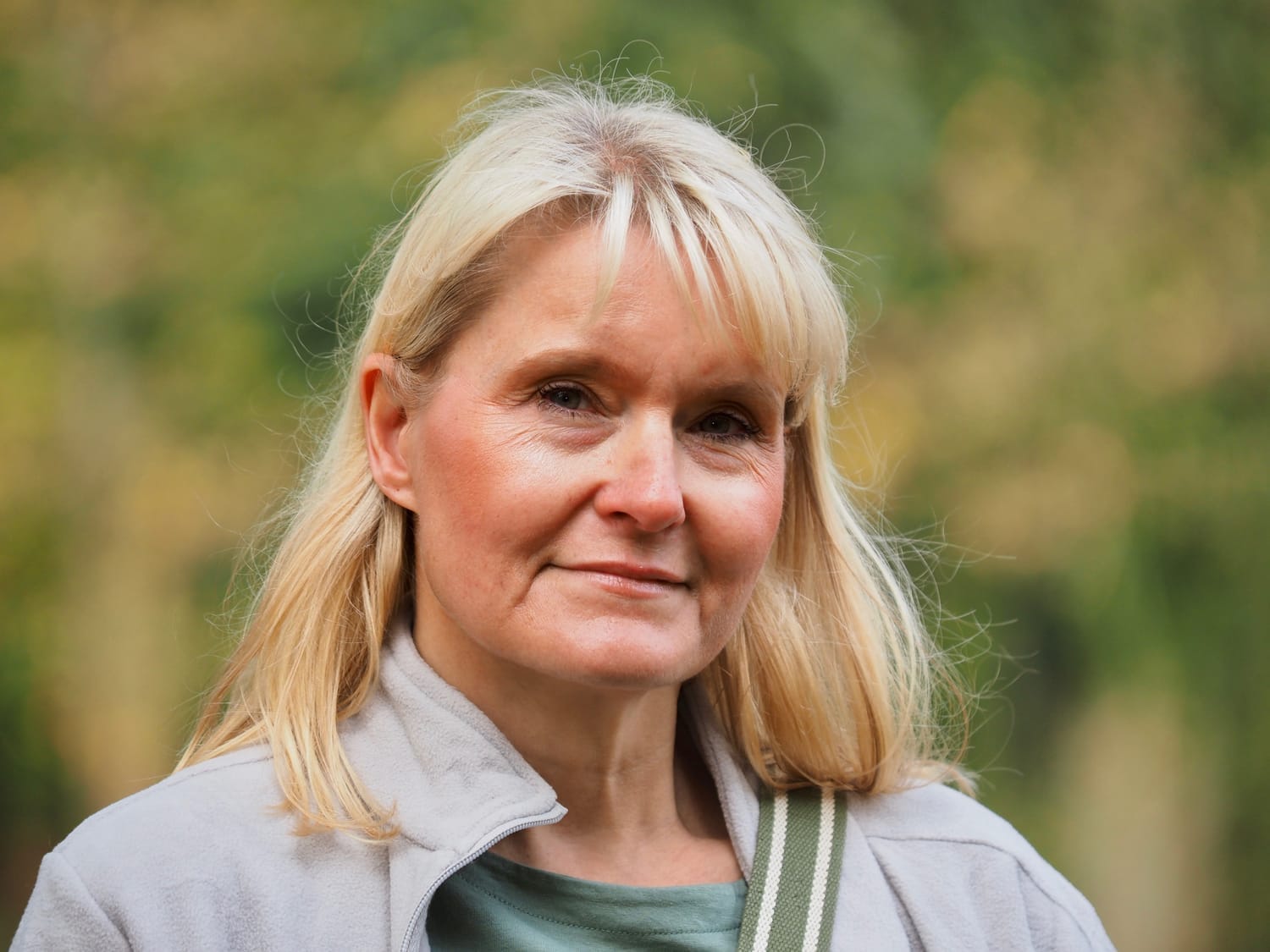
Hi, I'm Petra Earnshaw, an adoptee with ADHD. I am also an ICF ACC Credentialed Advanced-Certified ADHD Life Coach. I share my coaching and late ADHD diagnosis, and share some tips along the way.

GOT A QUESTION YOU'D LIKE TO SHARE?
I love hearing from readers. Whether you have a thought about something I've written, a question about ADHD, or just want to say hello, you can email me directly. I read every message ( and reply when I can).

THINKING ABOUT COACHING?
If you are curious about ADHD Life Coaching, you're welcome to book a complimentary Discovery Call. It's a calm, no-pressure space to talk about what's going on and whether coaching might be supportive.