
Rethinking Motivation: How to Get Things Done Without Relying on Willpower
If you have ADHD, you have probably been told to just try harder or use more willpower to get things done. But the truth is, ADHD brains do not work on willpower alone.
Unlike neurotypical brains that can often rely on structure, discipline, and routine, ADHD motivation is interest-based. If something is fun or urgent or exciting, you can get into it easily. But if it feels dull, repetitive, or lacks a clear consequence, it can feel physically impossible to start.
The good news is you do not need more willpower. You need strategies that work with your brain, not against it.
Why ADHD motivation works differently
ADHD brains are not wired to respond to abstract rewards or tasks we feel we should do. Instead, we are more likely to focus when something feels new, interesting, challenging, or urgent. If a task does not fit into one of those categories, it can easily be ignored or avoided. That is not laziness. That is your brain not recognising it as something worth acting on.
What helps instead of willpower
Make things more fun. If a task is boring, your brain will resist it. Turn it into a challenge. Set a timer and race yourself. Use rewards. Imagine you are on a game show. The more playful it feels, the more likely you are to get started.
Create urgency. If you tend to only do things when they are last-minute, build in your own deadlines. Set a timer. Ask someone to check in on you. Book a coworking session. You can create the urgency your brain needs to engage.
Use body doubling. It often feels easier to start a task when someone else is around. This could be a friend on Zoom or just being in a café or library. Someone else being present helps you stay on track.
Make it easy to begin. Starting is usually the hardest part. Break it down into something tiny. Instead of telling yourself to write a report, tell yourself to open the document and write one sentence. Instead of cleaning the kitchen, wash three plates. Once you begin, momentum builds.
Pair boring tasks with something enjoyable. Listen to music while tidying up. Watch a show while doing admin. Save a nice drink or snack for those tasks you tend to avoid. Making it feel more pleasant helps your brain stay with it.
Build external accountability. Internal motivation can be tricky with ADHD. But when someone else knows what you are working on and checks in, it becomes easier to follow through. This might be a friend or a coach, or a virtual coworking group.
Let go of the idea that you should just try harder. ADHD motivation does not work the way many productivity books suggest. It is not a personal failure if something is not working. It probably just means your brain needs a different approach.
Final thoughts
Willpower is not the answer. Understanding your brain is. When you start to work with how your brain is motivated, you can create systems that make things easier and more sustainable.
If motivation is something you regularly struggle with, ADHD coaching can help you build strategies that suit your life and how your brain works. Book a complimentary Discovery Call, and we can explore what would help you move forward with less pressure and more clarity:
https://app.paperbell.com/checkout/bookings/new?package_id=158968



What others are reading

Diagnosed with ADHD at 52, I finally understood why life had always felt harder. This post shares how coaching helped me unlearn shame, embrace difference, and finally work with my ADHD rather than against it.
I set big goals for this holiday, and then felt like I was failing for not meeting them. This post is a reflection on ADHD, high expectations, RSD, and learning to be gentler with myself, one imperfect day at a time.

Rejection Sensitivity Dysphoria (RSD) can make even small comments feel crushing, and it’s often hidden beneath ADHD. This post explores why it happens, how it affects daily life, and what can help you feel more in control.

ABOUT ME
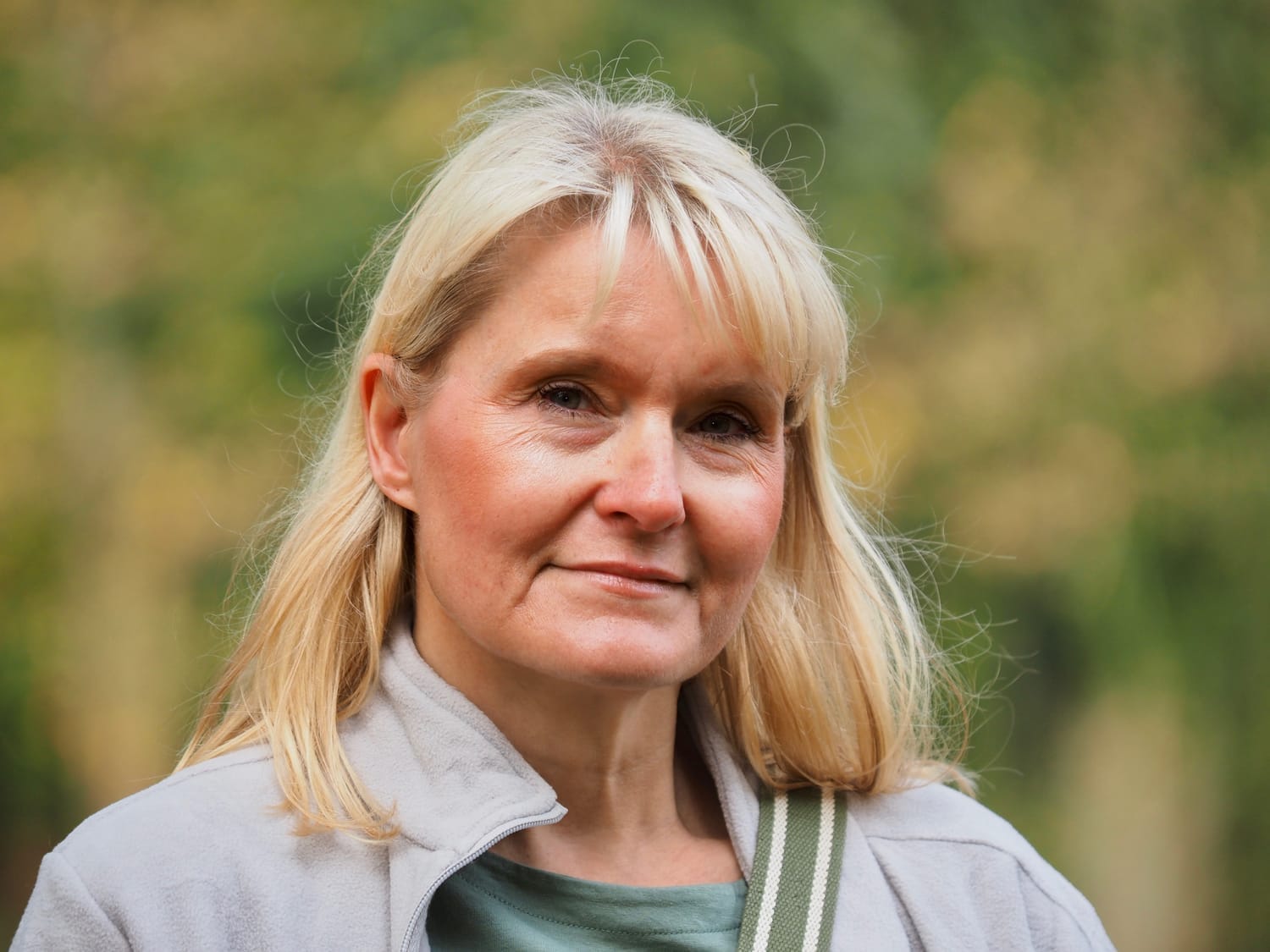
Hi, I'm Petra Earnshaw, an adoptee with ADHD. I am also an ICF ACC Credentialed Advanced-Certified ADHD Life Coach. I share my coaching and late ADHD diagnosis, and share some tips along the way.

GOT A QUESTION YOU'D LIKE TO SHARE?
I love hearing from readers. Whether you have a thought about something I've written, a question about ADHD, or just want to say hello, you can email me directly. I read every message ( and reply when I can).

THINKING ABOUT COACHING?
If you are curious about ADHD Life Coaching, you're welcome to book a complimentary Discovery Call. It's a calm, no-pressure space to talk about what's going on and whether coaching might be supportive.