
Rules, Routines, and ADHD: Why Consistency Isn’t the Magic Fix
“You just need to be more consistent.”
If you’re parenting a child with ADHD, you’ve probably heard this more times than you can count.
From well-meaning friends.
From family.
From teachers.
From parenting books.
And every time, it can land like an accusation.
Because most parents of children with ADHD are already trying incredibly hard to be consistent.
So why doesn’t it seem to work?
The myth of consistency as control
Consistency is often presented as the golden solution.
Set the rule.
Repeat the rule.
Enforce the consequence.
Job done.
But ADHD doesn’t respond well to systems that assume behaviour is a simple choice.
Children with ADHD often struggle with:
impulse control
emotional regulation
working memory
transitions
These skills fluctuate depending on sleep, stress, sensory input, and emotional load.
Which means behaviour fluctuates too.
The part no one explains
Consistency doesn’t automatically create capacity.
A child may:
know the rule
agree with the rule
intend to follow the rule
And still struggle to do so in the moment.
Not because they’re testing boundaries.
Because their nervous system is overloaded.
When routines help — and when they don’t
Routines can absolutely support children with ADHD.
Predictability reduces anxiety.
Knowing what comes next builds security.
But routines stop working when:
they’re too rigid
they don’t allow for energy shifts
they’re introduced during dysregulation
expectations exceed capacity
When that happens, routines turn into battlegrounds.
True consistency in ADHD parenting
Consistency doesn’t mean responding identically every time.
It means being consistent in your values:
calm before correction
connection before consequence
support before shame
It means your child can predict your intention, even if the response adapts.
That kind of consistency builds safety.
Why flexibility isn’t weakness
From the outside, flexibility can look like giving in.
But there’s a big difference between:
abandoning boundaries
andadjusting to capacity
If your child is overtired, overstimulated, or emotionally flooded, sticking rigidly to a rule may escalate things unnecessarily.
Flexibility says:
“I see you’re struggling. Let’s support you first.”
That’s not inconsistency.
That’s attuned parenting.
The real goal
The goal isn’t perfect rule-following.
The goal is:
building skills over time
reducing shame
strengthening connection
helping your child develop regulation gradually
That doesn’t happen through rigid enforcement.
It happens through repetition, patience, and realistic expectations.
You’re not inconsistent — you’re adapting
Many parents of children with ADHD worry they’re “not firm enough”.
But often, what they’re actually doing is:
noticing patterns
adjusting when needed
trying again tomorrow
That’s not failure.
That’s thoughtful parenting in a complex situation.
Ongoing support for parenting a child with ADHD
I support parents who are navigating ADHD, often while waiting for a diagnosis, and who want calm, practical guidance without blame or judgement.
If you’d like continued support, you’re very welcome to join my mailing list. I share reassurance, explanations, and realistic guidance for parenting children with ADHD — especially in between my three-weekly blog posts.
Join the mailing list here:
https://www.petraearnshawcoaching.co.uk/
If you’re looking for more personalised support, you can also explore working with me 1:1 or in group coaching via my website.




What others are reading

Diagnosed with ADHD at 52, I finally understood why life had always felt harder. This post shares how coaching helped me unlearn shame, embrace difference, and finally work with my ADHD rather than against it.

I set big goals for this holiday, and then felt like I was failing for not meeting them. This post is a reflection on ADHD, high expectations, RSD, and learning to be gentler with myself, one imperfect day at a time.

Rejection Sensitivity Dysphoria (RSD) can make even small comments feel crushing, and it’s often hidden beneath ADHD. This post explores why it happens, how it affects daily life, and what can help you feel more in control.

ABOUT ME
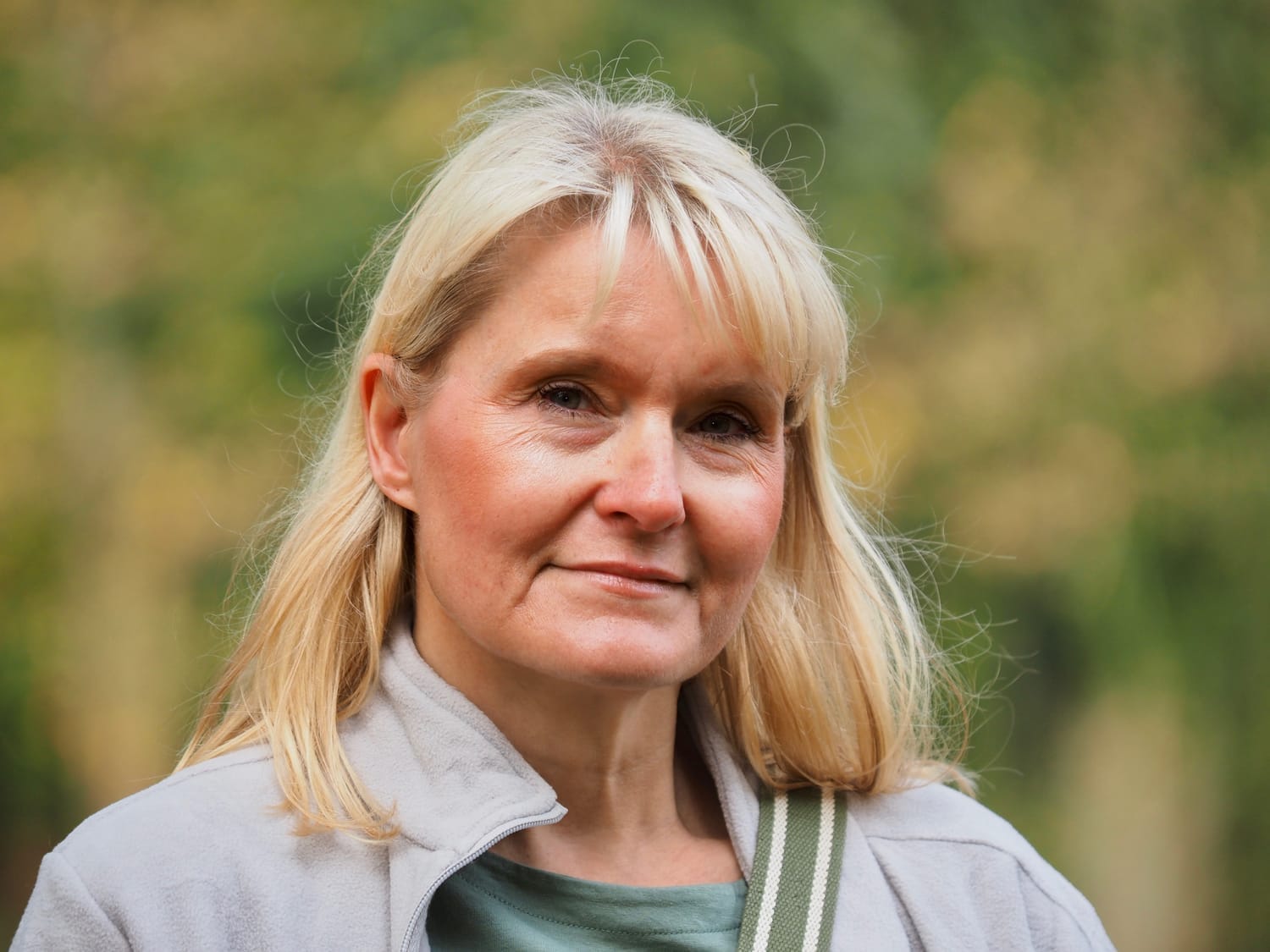
Hi, I'm Petra Earnshaw, an adoptee with ADHD. I am also an ICF ACC Credentialed Advanced-Certified ADHD Life Coach. I share my coaching and late ADHD diagnosis, and share some tips along the way.

GOT A QUESTION YOU'D LIKE TO SHARE?
I love hearing from readers. Whether you have a thought about something I've written, a question about ADHD, or just want to say hello, you can email me directly. I read every message ( and reply when I can).

THINKING ABOUT COACHING?
If you are curious about ADHD Life Coaching, you're welcome to book a complimentary Discovery Call. It's a calm, no-pressure space to talk about what's going on and whether coaching might be supportive.