
Stuck in the In-Between: Why Task Switching Feels So Hard with ADHD
If you have ADHD, you have probably experienced that strange stuck feeling when trying to move from one thing to another. Even when the next task is simple or even something you enjoy, it can feel like hitting an invisible wall. It is not laziness or a lack of motivation. It is the way your brain is wired.
Why transitions can feel so hard
ADHD affects executive function, which includes the skills that help us plan, prioritise, start, and switch between tasks. For many of us, making a shift from one thing to the next can be a real challenge.
There is something called cognitive inertia. Once you are in a task or even in a state of doing nothing, your brain tends to stay there. Getting started is hard, but stopping can be just as tough.
You might also find yourself either in hyperfocus or in a freeze state. You get so deeply focused that you lose track of time, or you feel stuck and unable to start at all.
Time blindness can make it worse. Without a strong sense of time passing, transitions can come as a surprise. Suddenly, it is three o'clock and you wonder where the day went.
And then there is the emotional discomfort. Leaving something fun or facing something boring or difficult can bring up resistance. That emotional friction makes it harder to move.
What can help
Build in a few minutes of transition time between activities. A five or ten-minute buffer can make a big difference.
Create a transition ritual. This might be a short playlist, a stretch, or changing your environment. Something that tells your brain it is time to shift gears.
Use gentle self-talk. Remind yourself that transitions are genuinely hard for your brain. That does not mean something is wrong with you. You just need a bit of support to move from one thing to the next.
External supports can also help. Visual timers, reminders, or having someone check in with you can create a bit of structure and help you bridge the gap.
You are not lazy. You are working with a brain that needs more time and support to switch tasks. That is not a failing. It is something you can work with, not against.
Try one small change this week. Notice what helps when you are shifting between tasks.
If you would like support finding ways to ease that stuck feeling, book a complimentary Discovery Call, and we can explore strategies that work for your ADHD brain:
https://app.paperbell.com/checkout/bookings/new?package_id=158968


What others are reading

Diagnosed with ADHD at 52, I finally understood why life had always felt harder. This post shares how coaching helped me unlearn shame, embrace difference, and finally work with my ADHD rather than against it.
I set big goals for this holiday, and then felt like I was failing for not meeting them. This post is a reflection on ADHD, high expectations, RSD, and learning to be gentler with myself, one imperfect day at a time.

Rejection Sensitivity Dysphoria (RSD) can make even small comments feel crushing, and it’s often hidden beneath ADHD. This post explores why it happens, how it affects daily life, and what can help you feel more in control.

ABOUT ME
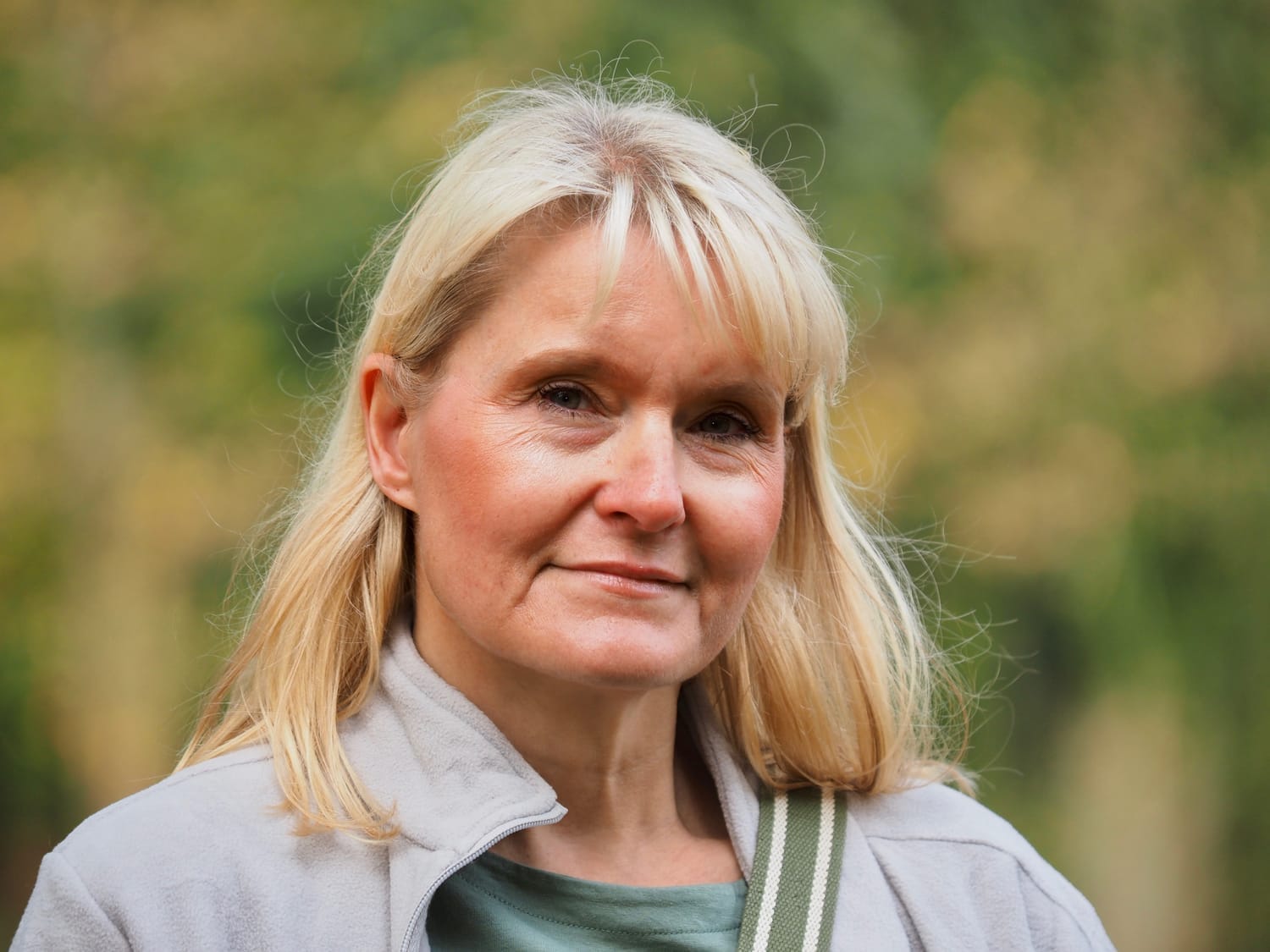
Hi, I'm Petra Earnshaw, an adoptee with ADHD. I am also an ICF ACC Credentialed Advanced-Certified ADHD Life Coach. I share my coaching and late ADHD diagnosis, and share some tips along the way.

GOT A QUESTION YOU'D LIKE TO SHARE?
I love hearing from readers. Whether you have a thought about something I've written, a question about ADHD, or just want to say hello, you can email me directly. I read every message ( and reply when I can).

THINKING ABOUT COACHING?
If you are curious about ADHD Life Coaching, you're welcome to book a complimentary Discovery Call. It's a calm, no-pressure space to talk about what's going on and whether coaching might be supportive.