
Supporting Your Child with ADHD: Understanding Executive Function and Practical Strategies for Everyday Life
Parenting a child with ADHD often means navigating the unexpected. You might find yourself repeating instructions dozens of times, trying to calm big emotional outbursts, or wondering why your child can’t just do what seems like a simple task. It can feel exhausting, confusing, and at times isolating.
If this sounds familiar, please know you are not alone. And you are not doing anything wrong.
There are reasons why your child might struggle in ways that other children don’t, and those reasons have nothing to do with laziness, defiance, or lack of parenting. One of the primary factors contributing to these everyday challenges is a concept known as executive function.
What is Executive Function, and Why Does it Matter?
Executive functions are the brain’s self-management system. They help us to:
Plan and organise
Start and finish tasks
Manage time and stay on track
Regulate emotions and impulses
Remember instructions and routines
For children with ADHD, executive functions don’t develop in the same way or at the same pace as they do for neurotypical children. This can show up as forgetfulness, emotional outbursts, resistance to routines, messy rooms, difficulty following instructions, or taking forever to get out the door.
Your child isn’t choosing to be difficult; their brain is wired differently. They genuinely need support to manage the tasks and transitions that others take for granted.
Understanding this is the first step. Knowing how to support them comes next.
Practical Strategies to Support Executive Function
While there's no one-size-fits-all solution, there are strategies that can make a real difference to your child and to your relationship with them.
Here are a few simple ideas to try:
1. Use visual aids and checklists
Children with ADHD are often visual learners. A simple visual schedule, checklist, or task board can make routines feel clearer and reduce arguments.
2. Break tasks into small, achievable steps
What looks like “clean your room” to you may feel like an overwhelming mountain to your child. Break it down: “Pick up your clothes”, then “Put books on the shelf”, and so on.
3. Build in transitions
Many children with ADHD struggle with switching from one activity to another. Use timers, countdowns, or transitional activities (like a “get ready” song) to help their brain shift gears.
4. Focus on connection before correction
When things are tense, your calm, connected presence is more powerful than any lecture or consequence. Empathy opens the door to cooperation.
You Don’t Have to Do This Alone
It can be hard to find the right support, especially from people who truly understand what it’s like to parent a child with ADHD.
That’s why I created my Group Coaching Programme for Parents of Children with ADHD, Parenting with ADHD Focus.
This is a supportive, judgement-free space where you'll:
Deepen your understanding of executive function and how it impacts daily life
Learn practical, ADHD-friendly strategies you can apply straight away
Gain confidence in your parenting
Connect with others who get it
We cover topics such as forgetfulness, impulsivity, self-control, emotions, organisation, and routines, and more, always through the lens of compassion and understanding.
If you're ready to feel more equipped, more supported, and more hopeful, I’d love to invite you to join us. Please register your interest here to join the Group Coaching Programme:
https://petra-earnshaw.systeme.io/2ee5206d
(Spaces are limited to keep the group small and supportive.)
I also offer a one-off one-to-one Breakthrough Coaching Session for £40, a focused opportunity to explore a particular challenge you're facing and begin finding a way forward:
https://app.paperbell.com/checkout/bookings/new?package_id=158317
It's ideal if you're feeling stuck, curious about coaching, or simply want some support and clarity around one specific issue.
If you're interested in exploring longer-term one-to-one coaching, you're very welcome to book a complimentary Discovery Call with me. It's a chance for us to get to know each other and see whether coaching feels like a good fit for you.
As September often feels like a fresh start, a natural time to re-focus and set intentions for the months ahead, I'm offering a special September Reset: a one-month coaching package for only £297 (normally £420). It's designed to help you reset, reflect, and move forward with clarity and support.
Book your Discovery Call here:
https://app.paperbell.com/checkout/bookings/new?package_id=158968
Final Thoughts
Supporting a child with ADHD isn’t about fixing them, it’s about understanding them and helping them thrive in a world that wasn’t built for their brains.
You’re doing a brilliant job, even on the hard days. And with the right tools and support, things can feel a whole lot easier.
You deserve that. And so does your child.




What others are reading

Diagnosed with ADHD at 52, I finally understood why life had always felt harder. This post shares how coaching helped me unlearn shame, embrace difference, and finally work with my ADHD rather than against it.

I set big goals for this holiday, and then felt like I was failing for not meeting them. This post is a reflection on ADHD, high expectations, RSD, and learning to be gentler with myself, one imperfect day at a time.

Rejection Sensitivity Dysphoria (RSD) can make even small comments feel crushing, and it’s often hidden beneath ADHD. This post explores why it happens, how it affects daily life, and what can help you feel more in control.

ABOUT ME
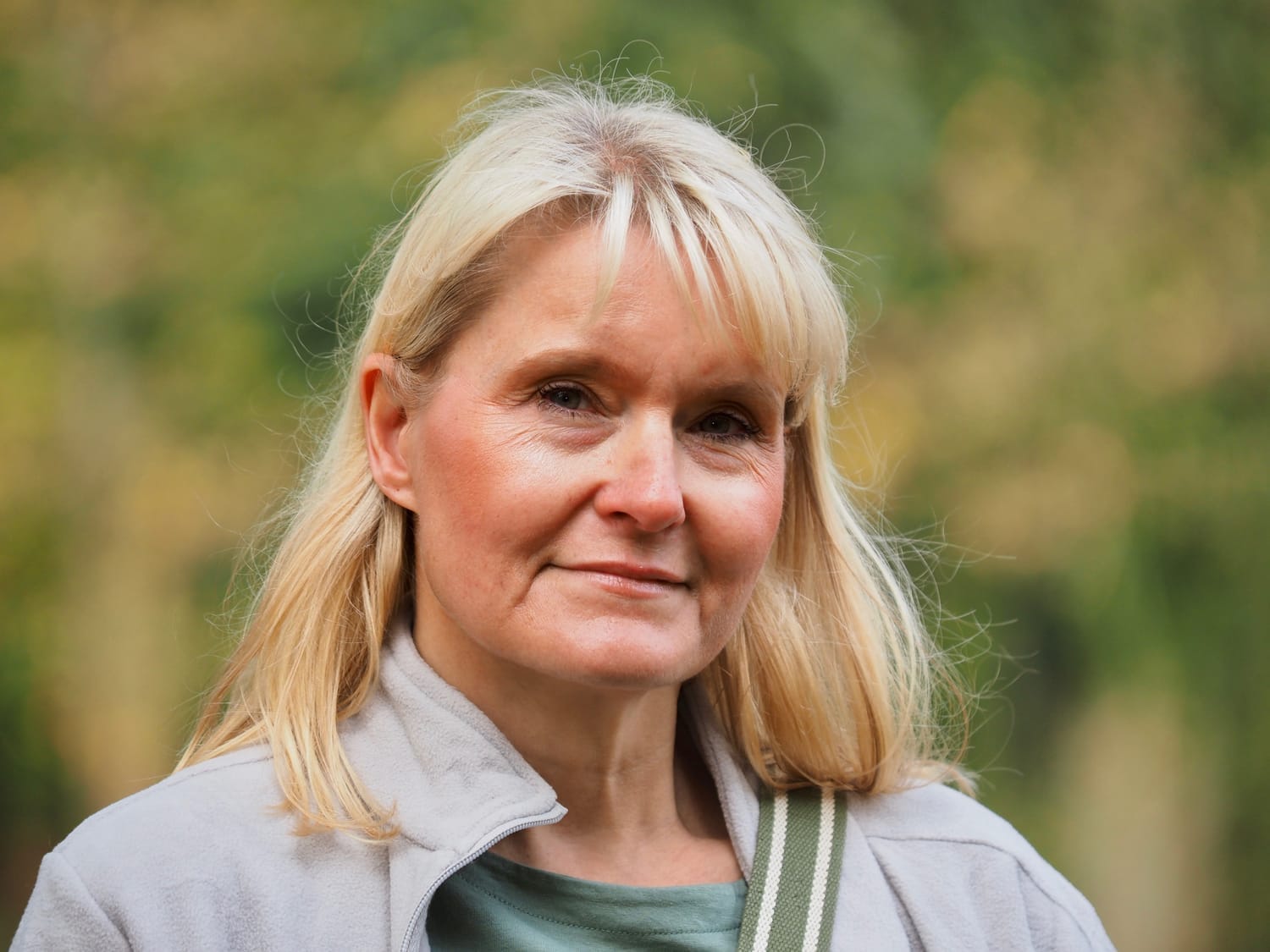
Hi, I'm Petra Earnshaw, an adoptee with ADHD. I am also an ICF ACC Credentialed Advanced-Certified ADHD Life Coach. I share my coaching and late ADHD diagnosis, and share some tips along the way.

GOT A QUESTION YOU'D LIKE TO SHARE?
I love hearing from readers. Whether you have a thought about something I've written, a question about ADHD, or just want to say hello, you can email me directly. I read every message ( and reply when I can).

THINKING ABOUT COACHING?
If you are curious about ADHD Life Coaching, you're welcome to book a complimentary Discovery Call. It's a calm, no-pressure space to talk about what's going on and whether coaching might be supportive.