The Influence of Adoptive Parents in Open Adoption
Adoption is not a single event but a lifelong journey that shapes everyone in the adoption triad: the adoptee, the birth family, and the adoptive parents. Each member carries what Sharon Kaplan Roszia and Allison Davis Maxon identified as the seven core issues of adoption: loss, rejection, shame and guilt, grief, identity, intimacy, and mastery and control. These themes appear in different ways across a lifetime, but they are always present.
Within this triad, adoptive parents hold a unique influence. The choices they make around openness, contact, communication, and acceptance can either deepen the challenges of adoption or create opportunities for healing, trust, and connection.
The Importance of Honouring Contact Agreements
When adoptive parents agree to maintain a level of contact with the birth family, honouring that agreement is vital. Contact may take many forms: in-person visits, phone calls, video calls, or indirect “letterbox” contact through agencies. Whatever the arrangement, the adoptee and the birth family place great hope and trust in the promises made.
Breaking that trust, unless there is a genuine safeguarding concern, risks reopening wounds of rejection and loss for both the adoptee and their birth family. When adoptive parents consistently uphold contact agreements, they demonstrate respect not only for the birth family but also for the adoptee’s right to know where they come from. This consistency helps to ground the child’s sense of identity and reinforces that their two families can coexist in their lives.
Understanding the Unique Challenges of Parenting an Adoptee
Adoption is not the same as raising a biological child. Prospective adoptive parents need to recognise that adoption brings with it layers of complexity. Children join adoptive families with histories, experiences, and often trauma that cannot be erased by love alone.
Being an adoptive parent means being willing to learn, adapt, and parent differently. It may involve therapeutic parenting strategies, openness to counselling or support groups, and a willingness to sit with uncomfortable questions. It requires humility: understanding that while adoptive parents play a vital role, they cannot replace or erase the significance of the child’s birth family.
Perhaps the most meaningful influence adoptive parents can have is acceptance. To accept the child as they are, not as the child they might have imagined, is to build a foundation of trust and belonging. Attempts to mould or reshape a child into a fantasy of the “ideal” child will only deepen feelings of shame and rejection.
Embracing Both Families
For adoptees, both their birth family and adoptive family are important. This is true whether or not contact is ongoing. Even in cases where contact has ceased, adoptees carry questions and feelings about their birth family. Pretending otherwise only silences them and leaves them to process their emotions alone.
Adoptive parents can make an enormous difference by creating a home where curiosity and openness are welcomed. Encouraging children to ask questions, talk about their birth family, and express feelings without fear of disapproval helps them integrate all parts of their identity.
Instead of seeing the birth family as competition, adoptive parents can view them as part of the child’s wider story. Speaking about the birth family with respect, even if painful circumstances led to the adoption, communicates to the child that it is safe to love both families.
The Ripple Effect of Adoptive Parents’ Choices
Every decision adoptive parents make ripples through the adoption triad. For example:
• Honouring contact agreements can build trust and reduce shame for the adoptee, while affirming the worth of the birth family.
• Breaking contact without cause can deepen loss for the adoptee and add grief for the birth family.
• Validating conversations about birth family reassures the adoptee that their identity is whole and acceptable.
• Shutting down those conversations can reinforce feelings of rejection and confusion.
In this way, adoptive parents hold the influence to either ease or amplify the seven core issues of adoption.
Moving Towards Openness and Healing
The adoption sector in the UK has been shifting towards more openness, recognising the benefits of safe, structured contact and transparency for adoptees. Research consistently shows that children who grow up with some level of contact often have stronger identities and fewer unresolved questions than those who experience a “closed” adoption.
For adoptive parents, embracing openness requires courage. It may stir up insecurities or fears about “sharing” their child. But leaning into openness, with the right boundaries and support, offers the child the best chance at a secure, integrated sense of self.
Final Thoughts
Adoption is born from loss. No matter how loving the adoptive family, adoption begins with the severing of a child from their birth family. This reality cannot be ignored. But within this painful truth lies an opportunity for healing, connection, and growth.
Adoptive parents stand at the centre of this possibility. By choosing acceptance over expectation, by honouring contact agreements, and by speaking with openness about the child’s history, they influence whether adoption becomes a journey of trust and belonging – not only for their child but for the entire adoption triad.
Takeaway for prospective adoptive parents: You cannot erase the losses of adoption, but you can walk alongside your child with honesty, compassion, and openness. In doing so, you create the conditions for them to thrive.



What others are reading
Diagnosed with ADHD at 52, I finally understood why life had always felt harder. This post shares how coaching helped me unlearn shame, embrace difference, and finally work with my ADHD rather than against it.
I set big goals for this holiday, and then felt like I was failing for not meeting them. This post is a reflection on ADHD, high expectations, RSD, and learning to be gentler with myself, one imperfect day at a time.

Rejection Sensitivity Dysphoria (RSD) can make even small comments feel crushing, and it’s often hidden beneath ADHD. This post explores why it happens, how it affects daily life, and what can help you feel more in control.

ABOUT ME
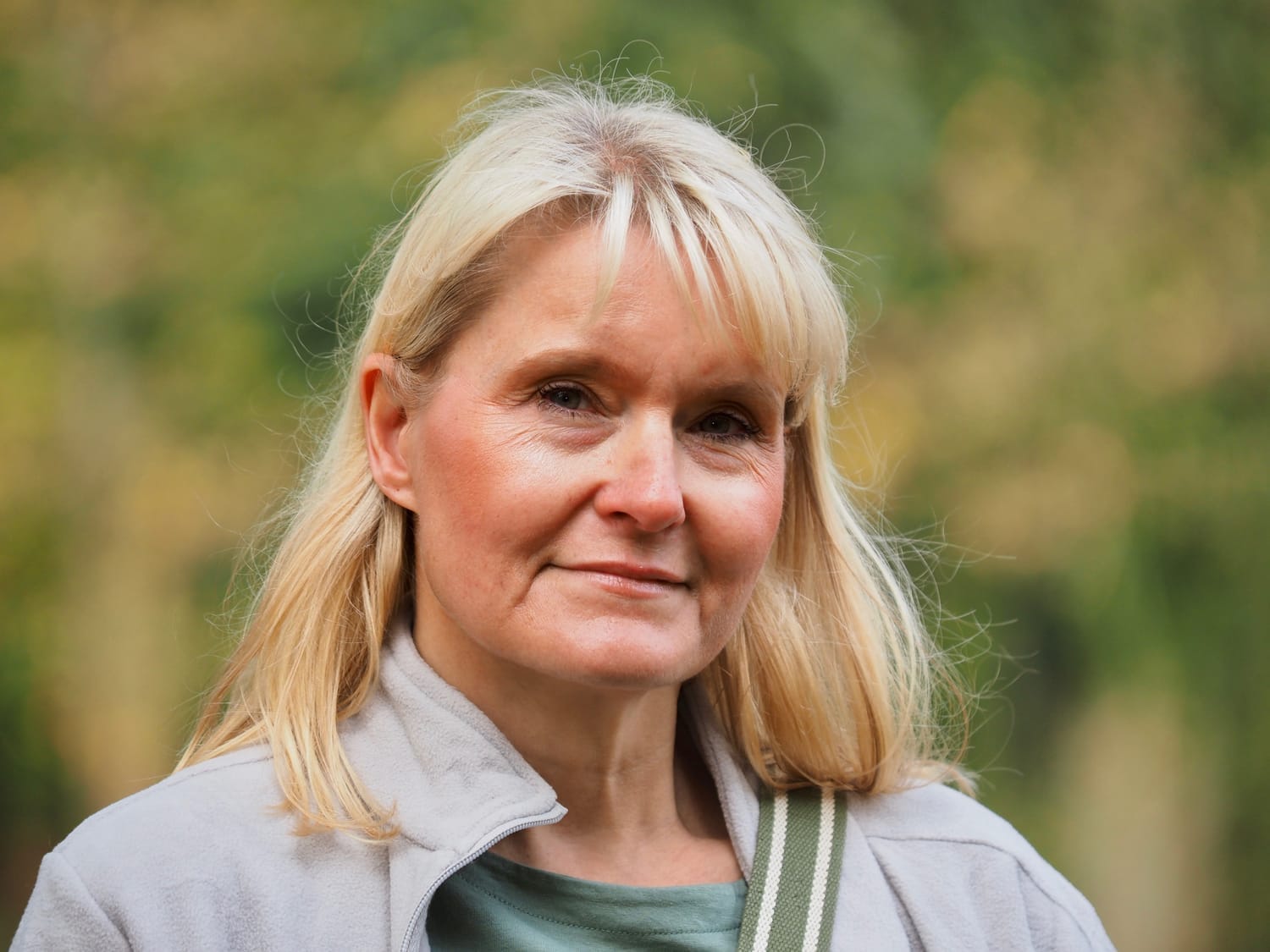
Hi, I'm Petra Earnshaw, an adoptee with ADHD. I am also an ICF ACC Credentialed Advanced-Certified ADHD Life Coach. I share my coaching and late ADHD diagnosis, and share some tips along the way.

GOT A QUESTION YOU'D LIKE TO SHARE?
I love hearing from readers. Whether you have a thought about something I've written, a question about ADHD, or just want to say hello, you can email me directly. I read every message ( and reply when I can).

THINKING ABOUT COACHING?
If you are curious about ADHD Life Coaching, you're welcome to book a complimentary Discovery Call. It's a calm, no-pressure space to talk about what's going on and whether coaching might be supportive.