
The Lost Generation: How So Many of Us Grew Up Not Knowing We Had ADHD
When I listened to Mel Robbins talk about discovering she had ADHD at 47, something in me paused. She called herself part of a “lost generation” of women, the ones who slipped through the cracks because the world only recognised ADHD in loud, restless boys. But the more I think about it, the more I wonder if it’s bigger than that. Maybe it’s a whole generation of people, women and men, who grew up believing their struggle was a character flaw, not a brain difference.
I went to an all-girls private school until I was eleven, and I was often in trouble. I don’t remember many other girls being told off as much as I was. Looking back, I can see it now: the blurting out, the impatience, the constant need to move. It wasn’t defiance; it was ADHD. But back then, that word didn’t belong to girls like me.
I acted on impulse, interrupted others, talked too much, started things I didn’t finish. My exercise books were messy, I lost things constantly, my desk looked like a small explosion. At the time, it was seen as carelessness — bad habits I should grow out of. No one wondered why trying harder never seemed to fix it.
Looking back, I think I was quite hyperactive in junior school. I talked too much, wriggled constantly, acted before thinking, all the things that would raise a flag today. But in the 1970s, especially at an all-girls school, it simply wasn’t on the radar. Hyperactivity was a “boy problem.” By secondary school, I’d learned to quieten down, to mask the restlessness, but the scatter and forgetfulness stayed. I don’t remember anyone ever being described as having Attention Deficit Disorder back then — it wasn’t part of the conversation.
Back then, before ADD was even a recognised term (that didn’t arrive until 1980), the diagnosis was called Hyperkinetic Impulse Disorder. The focus was almost entirely on movement and behaviour — the children who couldn’t sit still, interrupted constantly, or seemed “disruptive.” Those were the ones likely to be noticed. Ritalin had already been approved in 1961, but it was prescribed only for the most visibly hyperactive cases. The quieter, distracted children, often girls, sometimes boys, weren’t seen as having the same condition.
When Attention Deficit Disorder (ADD) was introduced in 1980, it finally acknowledged that some children struggled more with attention than with hyperactivity. There were two versions: ADD with hyperactivity, and ADD without. But by then, many of us had already been missed. Awareness takes longer to spread than diagnosis manuals, and the public image of ADHD stayed fixed on boys who couldn’t sit still.
For a long time, ADHD meant one thing: hyperactive boys bouncing off classroom walls. The quieter kids, the dreamers, the ones whose chaos stayed mostly on the inside — we didn’t fit the picture.
Back then, most ADHD research was done on boys, visibly hyperactive boys. The quieter, inattentive type existed, but it wasn’t what teachers or doctors were trained to spot. For a while, ADHD was even called ADD (Attention Deficit Disorder), with or without hyperactivity. The clue was there, but the attention wasn’t.
So the working model became narrow: if you couldn’t sit still, you might be sent for testing; if you drifted off, forgot things, or hid your chaos behind good grades, you were told to try harder. That’s how whole groups of children — girls, quieter boys, high achievers — slipped through.
For those of us who slipped through, the cost showed up quietly. We learned to push harder, stay up later, and overcompensate for what never seemed to come easily. Many of us built our identities around coping — the organised one, the helper, the overachiever, the funny one who hides the mess.
Inside, there was often shame. Why could everyone else seem to manage the basics — deadlines, tidy bags, finishing a thought — when we had to fight for them every day? Some of us turned that shame inward, calling ourselves lazy or flaky. Others lived in a constant state of self-critique, terrified of being found out.
By adulthood, that survival system starts to crack. Burnout, anxiety, low self-esteem — they’re not character flaws, they’re what happens when you’ve been swimming upstream your whole life without knowing why.
For many of us, getting a late diagnosis — or even quietly recognising ourselves in these stories — brings both relief and grief. Relief that there’s finally a name for the struggle, and grief for all the years spent thinking we were just not trying hard enough. But awareness isn’t the end of the story; it’s the beginning of understanding yourself with more kindness.
If you’ve had a late diagnosis or you suspect you might have ADHD and want to make sense of what that means for you, coaching can help you untangle the patterns and rebuild confidence in how your brain actually works.
You can book a complimentary Discovery Call if you’d like to explore this further, a space to talk things through and see what kind of support might help you move forward with more clarity and self-compassion:
https://app.paperbell.com/checkout/bookings/new?package_id=158968



What others are reading

Diagnosed with ADHD at 52, I finally understood why life had always felt harder. This post shares how coaching helped me unlearn shame, embrace difference, and finally work with my ADHD rather than against it.

I set big goals for this holiday, and then felt like I was failing for not meeting them. This post is a reflection on ADHD, high expectations, RSD, and learning to be gentler with myself, one imperfect day at a time.

Rejection Sensitivity Dysphoria (RSD) can make even small comments feel crushing, and it’s often hidden beneath ADHD. This post explores why it happens, how it affects daily life, and what can help you feel more in control.

ABOUT ME
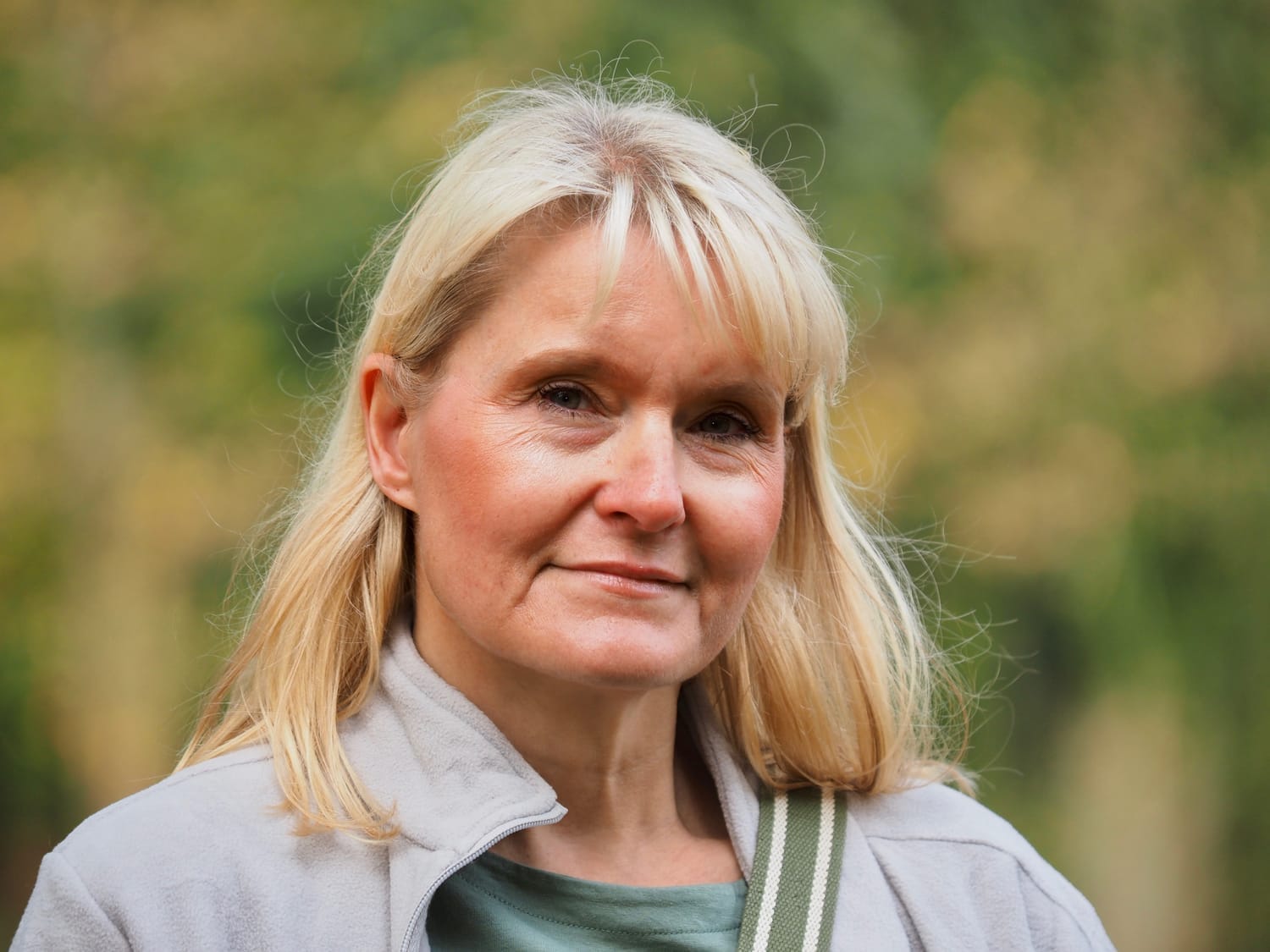
Hi, I'm Petra Earnshaw, an adoptee with ADHD. I am also an ICF ACC Credentialed Advanced-Certified ADHD Life Coach. I share my coaching and late ADHD diagnosis, and share some tips along the way.

GOT A QUESTION YOU'D LIKE TO SHARE?
I love hearing from readers. Whether you have a thought about something I've written, a question about ADHD, or just want to say hello, you can email me directly. I read every message ( and reply when I can).

THINKING ABOUT COACHING?
If you are curious about ADHD Life Coaching, you're welcome to book a complimentary Discovery Call. It's a calm, no-pressure space to talk about what's going on and whether coaching might be supportive.