The Seven Core Issues of Adoption and How Adoption Attuned Coaching Can Help
Adoption touches every member of the adoption triad – adoptees, birth parents, and adoptive parents. While every story is unique, research and lived experience show that seven common core issues can affect people throughout their lives.
These aren’t “problems to be fixed,” but themes that often surface in the adoption journey. Understanding them can bring clarity and compassion – for yourself and for others in the triad.
1. Loss
Adoption begins with loss; the separation of a child from their birth family. Even in the most loving adoptive homes, that early loss can have a lasting impact. Birth parents and adoptive parents also face losses, whether through infertility, separation, or expectations that didn’t unfold as hoped.
2. Rejection
That sense of loss can sometimes be experienced as rejection. Adoptees may wonder, “Why wasn’t I kept?” Birth parents may feel rejected by society or family. Adoptive parents may worry about being rejected by their child.
3. Guilt and Shame
Adoption can stir feelings of guilt and shame - for birth parents who couldn’t parent, for adoptees who feel guilty for wanting answers, and for adoptive parents who may feel shame if they struggle with parenting challenges.
4. Identity
Questions like “Who am I?” and “Where do I belong?” can feel bigger for adoptees, who may have limited information about their origins. Adoptive parents may wrestle with identity as a parent, and birth parents with identity after placement.
5. Intimacy
Trusting relationships can sometimes be more challenging for members of the adoption triad. Fears of loss, rejection, or abandonment may surface in close relationships.
6. Mastery and Control
Adoption involves decisions that are often out of one’s control – whether it’s an adoptee placed with a family, a birth parent navigating the system, or adoptive parents working through the process. This can leave a lasting imprint on how we view control in other areas of life.
7. Grief
All of the above are connected to grief. Grief in adoption isn’t a one-time event – it may resurface at different life stages. Recognising and allowing space for grief is an important step toward healing.
How Adoption Attuned Coaching Can Support You
As an Adoption Attuned Coach, I create a safe, understanding space where you can explore how these issues show up in your life – whether you are an adoptee, a birth parent, or an adoptive parent. Coaching isn’t about labelling or dwelling on the past, but about finding clarity, building resilience, and moving forward with more confidence and self-compassion.
If any of these themes resonate with you, I invite you to explore how coaching could help.
👉 Click here to book a complimentary Discovery Call, and let’s see if Adoption Attuned Coaching is the right fit for you.




What others are reading

Diagnosed with ADHD at 52, I finally understood why life had always felt harder. This post shares how coaching helped me unlearn shame, embrace difference, and finally work with my ADHD rather than against it.

I set big goals for this holiday, and then felt like I was failing for not meeting them. This post is a reflection on ADHD, high expectations, RSD, and learning to be gentler with myself, one imperfect day at a time.

Rejection Sensitivity Dysphoria (RSD) can make even small comments feel crushing, and it’s often hidden beneath ADHD. This post explores why it happens, how it affects daily life, and what can help you feel more in control.

ABOUT ME
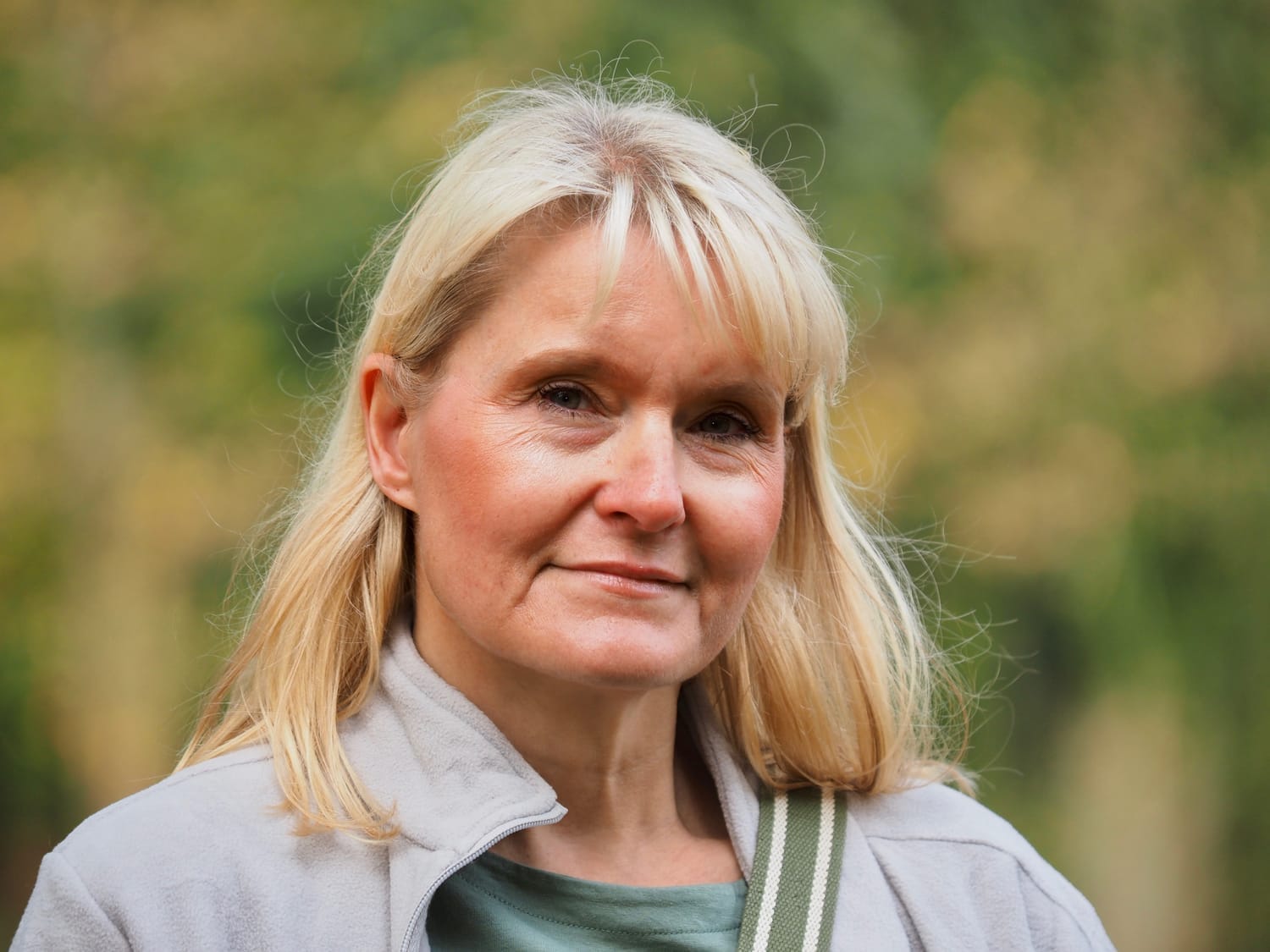
Hi, I'm Petra Earnshaw, an adoptee with ADHD. I am also an ICF ACC Credentialed Advanced-Certified ADHD Life Coach. I share my coaching and late ADHD diagnosis, and share some tips along the way.

GOT A QUESTION YOU'D LIKE TO SHARE?
I love hearing from readers. Whether you have a thought about something I've written, a question about ADHD, or just want to say hello, you can email me directly. I read every message ( and reply when I can).

THINKING ABOUT COACHING?
If you are curious about ADHD Life Coaching, you're welcome to book a complimentary Discovery Call. It's a calm, no-pressure space to talk about what's going on and whether coaching might be supportive.