Transforming Lives: How Acknowledgement Enhances ADHD Life Coaching
In today’s fast-paced world, it is so easy to overlook the importance of pausing to acknowledge ourselves and the people around us. But when it comes to ADHD Life Coaching, acknowledgement is not just important, it is essential. Both coach and client are navigating unique challenges, and when those efforts are recognised, something powerful happens. There is more trust, more growth and more space for self-belief to develop.
In this blog post, I want to explore why acknowledgement matters so much in the ADHD coaching relationship, and how it can make a real difference for both coach and client.
Understanding ADHD and the Daily Challenges It Brings
ADHD is a neurodevelopmental condition that affects how the brain manages focus, energy and impulse control. For those with ADHD, daily tasks can feel overwhelming. The constant mental noise, difficulty with organisation, emotional ups and downs and the struggle to stay on top of things can impact work, relationships and self-worth.
As a coach, understanding the lived experience of ADHD is the foundation for effective support. But it goes beyond simply understanding. It is about acknowledging how hard someone is trying. When clients feel seen and heard in this way, it opens the door for trust and change to begin.
Why Self-Acknowledgement Matters for Coaches Too
Before we can fully acknowledge someone else, we need to be aware of what we bring into the room. For coaches, that means taking time to notice our own strengths and limitations. Self-acknowledgement is not about perfection. It is about knowing who we are, what we do well, and where we are still learning.
When we show up with that level of honesty and self-awareness, we are also modelling something really powerful. Clients can see that growth is not about getting it all right. It is about noticing, reflecting and continuing to move forward.
Building Trust Through Being Seen
One of the most meaningful things we can offer as coaches is the simple act of saying, I see you. I see how hard this has been. I see what it has taken to show up today.
When clients feel genuinely acknowledged, it builds trust. And trust is what allows them to be open, to share the things they have often kept hidden, and to believe that change might be possible. Acknowledgement creates the safety that clients need in order to go deeper into the work.
Helping Clients Feel Empowered
Many of the clients I work with have internalised years of self-doubt and criticism. They often come to coaching with a long history of feeling like they are not doing enough or that they are somehow falling short. Acknowledgement can gently challenge that belief.
By celebrating the wins, however small they might seem, and recognising effort and progress, we help clients reconnect with their strengths. This builds self-trust. It also helps shift the focus from what is not working to what is.
Motivation and Resilience Start With Being Recognised
Motivation can be difficult to hold on to when you live with ADHD. Setbacks are common. Follow-through can be a real challenge. But acknowledgement helps. It reminds clients that even when progress feels slow, it is still happening.
When someone is recognised for showing up, for trying again, for sticking with a hard conversation, it creates resilience. Coaching becomes a place where failure is not feared, because growth is still being acknowledged.
Coaching as a Collaborative Space
When we approach coaching as a partnership, rather than as a place where solutions are handed down, something really powerful happens. Clients start to trust their own wisdom. They begin to see that they have valuable insights and ideas. When we acknowledge that, we strengthen their voice.
This is when coaching becomes truly collaborative. It is not about fixing. It is about working together to discover what works for that individual, in their life, with their brain.
The Ripple Effect of Acknowledgement
What happens in coaching does not stay in coaching. When clients begin to feel acknowledged and understood, they often start to carry that into other areas of life. They may begin to set clearer boundaries, speak up for themselves, or extend the same compassion to others that they are learning to offer themselves.
In this way, acknowledgement creates a ripple effect. It supports the individual, but it also contributes to something much bigger. It fosters more empathy, more self-acceptance and more understanding in the world around us.
In Summary
Acknowledgement is not a small thing. It is a deeply powerful part of the ADHD coaching process. It builds trust. It empowers growth. It creates connection. And it helps clients feel seen in a world that so often misunderstands them.
If this has resonated with you and you are curious about how ADHD Life Coaching might support you, I would love to invite you to book a complimentary Discovery Call with me.
It is a chance to talk about what is going on for you, ask questions and see whether coaching feels like a good fit. No pressure. Just a warm and supportive conversation.
You can book your Discovery Call here:
https://app.paperbell.com/checkout/bookings/new?package_id=158968
You do not have to figure it all out on your own. Support is here when you are ready.




What others are reading

Diagnosed with ADHD at 52, I finally understood why life had always felt harder. This post shares how coaching helped me unlearn shame, embrace difference, and finally work with my ADHD rather than against it.
I set big goals for this holiday, and then felt like I was failing for not meeting them. This post is a reflection on ADHD, high expectations, RSD, and learning to be gentler with myself, one imperfect day at a time.

Rejection Sensitivity Dysphoria (RSD) can make even small comments feel crushing, and it’s often hidden beneath ADHD. This post explores why it happens, how it affects daily life, and what can help you feel more in control.

ABOUT ME
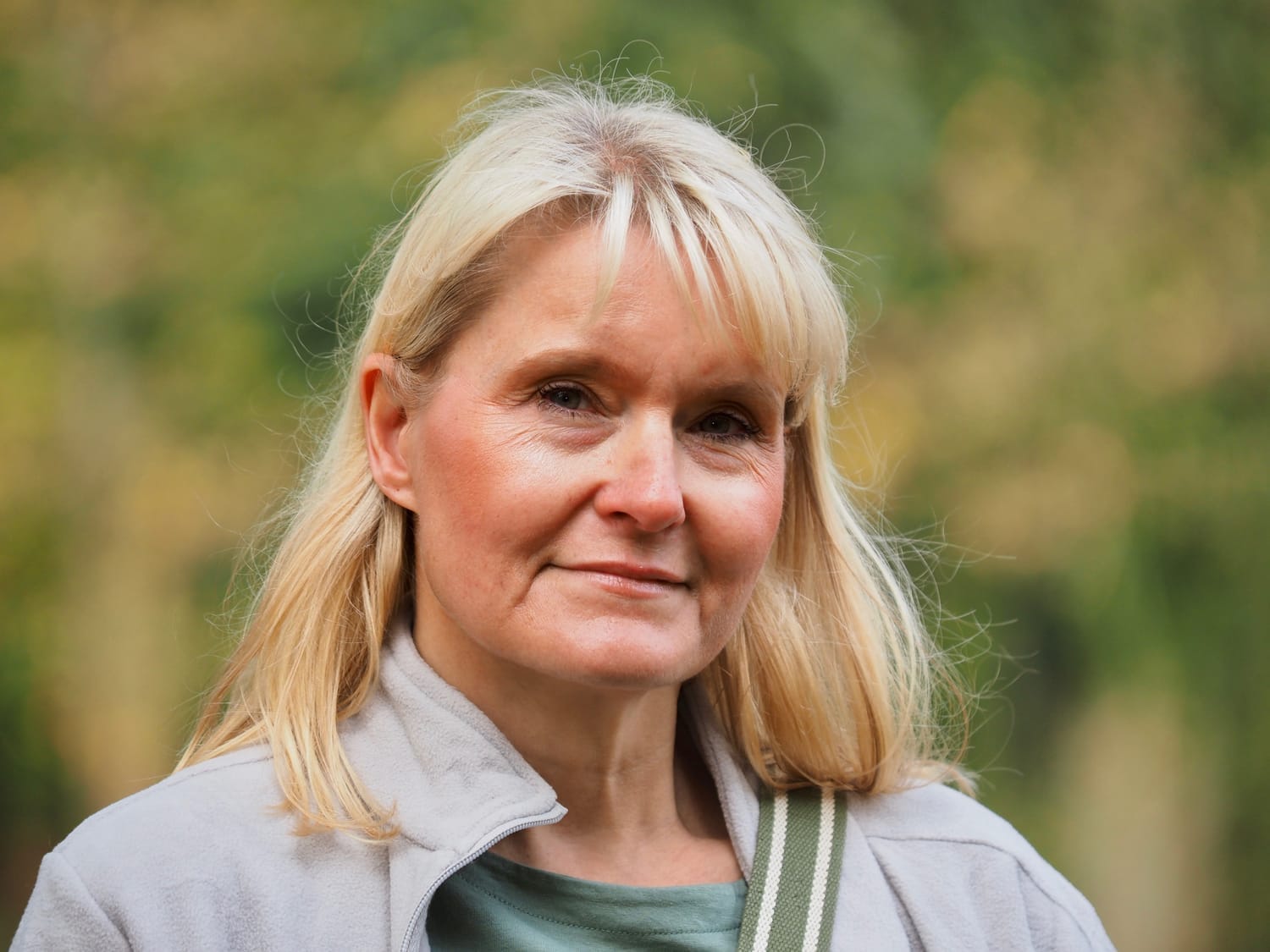
Hi, I'm Petra Earnshaw, an adoptee with ADHD. I am also an ICF ACC Credentialed Advanced-Certified ADHD Life Coach. I share my coaching and late ADHD diagnosis, and share some tips along the way.

GOT A QUESTION YOU'D LIKE TO SHARE?
I love hearing from readers. Whether you have a thought about something I've written, a question about ADHD, or just want to say hello, you can email me directly. I read every message ( and reply when I can).

THINKING ABOUT COACHING?
If you are curious about ADHD Life Coaching, you're welcome to book a complimentary Discovery Call. It's a calm, no-pressure space to talk about what's going on and whether coaching might be supportive.