
What ADHD Actually Is.
There’s a particular kind of moment that happens for many adults who are diagnosed with ADHD later in life.
It isn’t dramatic.
It’s often quieter than that.
A sentence you read. A conversation you overhear. A checklist that feels uncomfortably familiar. And then a thought that won’t quite leave you alone:
How did nobody notice this before?
For some people, a diagnosis brings relief.
For others, grief.
For many, it brings both.
Before we go any further in this series, it helps to start at the beginning:
What ADHD actually is — and what it isn’t.
What ADHD Actually Is
ADHD (Attention-Deficit Hyperactivity Disorder) is a neurodevelopmental condition. That means it relates to how the brain develops and regulates itself - not to effort, intelligence, parenting, or character.
In adults, ADHD primarily affects:
Executive function (planning, organising, prioritising, starting tasks)
Dopamine regulation (motivation and reward)
Emotional regulation
Working memory
Impulse control
It isn’t a simple “lack of attention.” Many adults with ADHD can focus intensely — sometimes for hours — when something is interesting, urgent, or emotionally engaging.
The difficulty lies in regulating attention consistently, especially for tasks that are routine, administrative, or low in stimulation.
It isn’t laziness.
It isn’t a lack of discipline.
It isn’t a personality flaw.
It is a difference in how the brain regulates motivation, energy and self-direction.
For many late-diagnosed adults, that understanding is the first crack in years of self-blame.
Why It Was Missed
If ADHD has always been present, why wasn’t it recognised earlier?
There are several common reasons — and some of them are historical.
It Wasn’t Looked For — Especially in Girls
For decades, ADHD research focused primarily on young boys who were visibly hyperactive and disruptive in school.
Quieter children, particularly girls, were far less likely to be identified.
Many girls with ADHD were:
Inattentive rather than outwardly hyperactive
Daydreamy rather than disruptive
Anxious rather than impulsive
Hardworking but quietly overwhelmed
Because they weren’t causing problems for others, their internal struggle often went unnoticed.
It wasn’t until the 1990s that diagnosis rates in girls began to rise more significantly, as awareness broadened and understanding deepened. Even then, many professionals believed ADHD was something children eventually outgrew.
For years, it was assumed that if you reached adulthood without a diagnosis, you simply didn’t have ADHD.
We now know that isn’t the case.
ADHD frequently continues into adulthood — and for many people, it becomes more impairing when life demands increase and external structure disappears.
So, for many adults being diagnosed now, it isn’t that ADHD suddenly appeared.
It’s that it was never recognised.
There are several common reasons.
You Developed Coping Strategies
Many adults - particularly those who were bright, conscientious, or anxious about getting things right - built systems to compensate.
You might have:
Over-prepared.
Relied on last-minute adrenaline.
Written endless lists.
Stayed up late to finish what others seemed to manage more easily.
Pushed yourself harder than anyone realised.
From the outside, you looked capable.
On the inside, it was often exhausting.
Masking isn’t deception. It’s adaptation. And it can work remarkably well — until life becomes too complex to hold it all together.
You Were “Fine at School”
ADHD doesn’t always look disruptive.
Some adults did well academically because:
They were genuinely interested in learning.
Structure was externally imposed.
Deadlines were clear.
Fear of disappointing others drove performance.
Adulthood removes much of that scaffolding.
When you become responsible for managing your own time, finances, admin, relationships and long-term planning,
executive function differences become far more visible.
What worked at 16 doesn’t always work at 46.
You Were Good in a Crisis
This surprises people.
Many adults with ADHD function exceptionally well under pressure. Urgency increases dopamine. Deadlines sharpen focus. Crisis simplifies decisions.
You might be calm when others panic.
But routine maintenance? Paperwork? Long-term organisation?
That’s where the strain shows.
Being competent in high-stakes situations can disguise everyday executive dysfunction.
You Internalised It
When something feels harder for you than it seems to be for others, and no one explains why, most people don’t conclude:
“This is a neurodevelopmental difference.”
They conclude:
“I’m disorganised.”
“I’m inconsistent.”
“I just need to try harder.”
Over time, that belief settles. It becomes identity rather than explanation.
By the time a diagnosis arrives, you’re not just understanding your brain — you’re untangling years of self-criticism.
What a Late Diagnosis Changes
A diagnosis doesn’t rewrite your past.
It doesn’t magically erase unfinished projects or moments of overwhelm.
But it can change the question.
Instead of:
“What’s wrong with me?”
It becomes:
“What was I never taught about how my brain works?”
That shift matters.
Because when understanding replaces shame, change becomes possible.
This is the first post in a year-long exploration of ADHD in adulthood, with a new article published every three weeks.
In Part 2, we’ll look at what’s happening in the ADHD brain — including dopamine, executive function and why motivation can feel so unpredictable.
If this resonates and you’d like to stay connected, you’re very welcome to join my mailing list. I share reflections and practical insights about ADHD in adult life there.
Join the mailing list here:
https://www.petraearnshawcoaching.co.uk/
You can also explore the rest of the blog on my website.



What others are reading

Diagnosed with ADHD at 52, I finally understood why life had always felt harder. This post shares how coaching helped me unlearn shame, embrace difference, and finally work with my ADHD rather than against it.

I set big goals for this holiday, and then felt like I was failing for not meeting them. This post is a reflection on ADHD, high expectations, RSD, and learning to be gentler with myself, one imperfect day at a time.

Rejection Sensitivity Dysphoria (RSD) can make even small comments feel crushing, and it’s often hidden beneath ADHD. This post explores why it happens, how it affects daily life, and what can help you feel more in control.

ABOUT ME
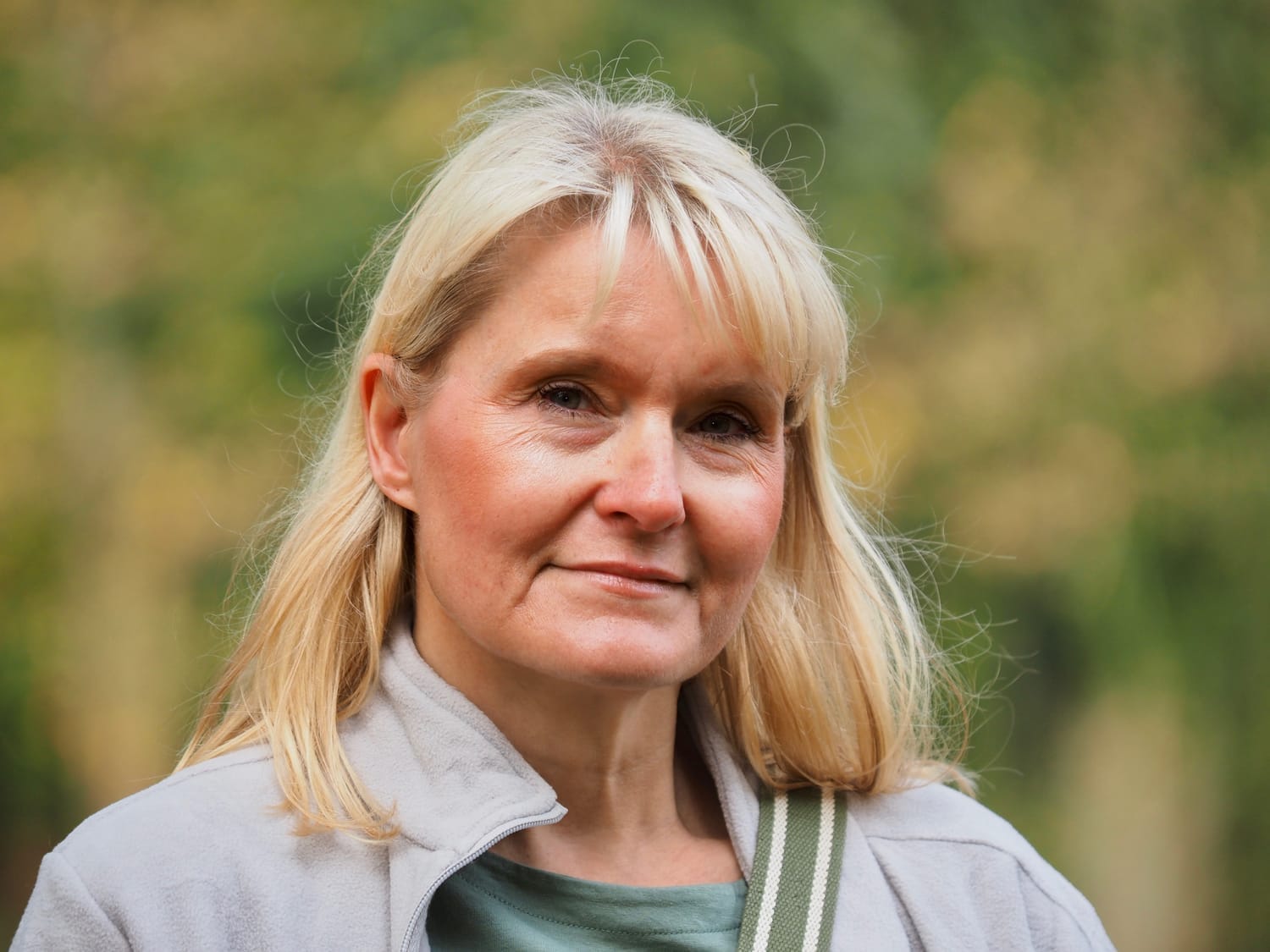
Hi, I'm Petra Earnshaw, an adoptee with ADHD. I am also an ICF ACC Credentialed Advanced-Certified ADHD Life Coach. I share my coaching and late ADHD diagnosis, and share some tips along the way.

GOT A QUESTION YOU'D LIKE TO SHARE?
I love hearing from readers. Whether you have a thought about something I've written, a question about ADHD, or just want to say hello, you can email me directly. I read every message ( and reply when I can).

THINKING ABOUT COACHING?
If you are curious about ADHD Life Coaching, you're welcome to book a complimentary Discovery Call. It's a calm, no-pressure space to talk about what's going on and whether coaching might be supportive.