When Emotions Feel Bigger Than Expected: Emotional Regulation in Both ADHD and Adoption
When people think about ADHD, they often think about attention.
Difficulty concentrating.
Forgetting things.
Being easily distracted.
But for many people, the most challenging part of ADHD isn’t attention at all. It’s emotional regulation.
Emotions can rise quickly, feel incredibly intense, and take much longer to settle than expected. A comment that might seem minor to someone else can land very heavily. Frustration can build rapidly. Rejection can feel almost unbearable in the moment.
This emotional side of ADHD is often misunderstood.
And when adoption experiences are also part of someone’s life story, emotional reactions can sometimes feel even more complex. Understanding why this happens can make a huge difference.
ADHD and Emotional Regulation
ADHD affects much more than focus and organisation. It also affects the brain systems that regulate emotions.
This means that many people with ADHD experience emotions differently. Feelings can arrive very quickly, often before there has been time to pause or think things through. Once those emotions are activated, it can be difficult to calm the nervous system and return to a more settled state.
In other words, ADHD doesn’t only affect attention. It also affects how quickly emotions rise, how intensely they are experienced, and how long they take to settle.
For some people, this can lead to moments of anger, overwhelm, or deep hurt that seem disproportionate from the outside. Afterwards, there may even be confusion or regret about why the reaction felt so strong.
But these experiences are not about being dramatic or overreacting. They are often the result of a nervous system that is responding very quickly to emotional cues.
Adoption and Emotional Sensitivity
Adoption brings its own emotional landscape.
Even when someone grows up in a loving and supportive family, adoption begins with separation. Early experiences of loss or disruption can shape how safe relationships feel and how sensitive someone may become to connection and disconnection.
Many adoptees describe feeling particularly attuned to the emotional tone of relationships. Small shifts in someone’s mood, tone of voice, or level of attention can feel significant.
Questions around belonging, identity, and acceptance can also become part of an adoptee’s inner world.
These experiences do not affect every adoptee in the same way, but they can influence how the nervous system responds to relational stress or perceived rejection.
When These Experiences Overlap
When emotional intensity related to ADHD meets the relational sensitivity that can sometimes come with adoption, feelings can arrive quickly and feel difficult to contain.
Something as small as a misunderstanding, a critical comment, or a moment of distance from someone important may trigger a very strong emotional reaction.
For the person experiencing it, the reaction can feel immediate and overwhelming. For others looking on, it may appear confusing or unexpected.
This is often where shame or self-criticism can creep in. Someone might wonder why they reacted so strongly, or feel embarrassed about their emotions afterwards.
But what can look like “overreacting” is often a nervous system responding to perceived threat or disconnection.
Understanding this can be incredibly powerful.
Replacing Shame with Understanding
When emotional reactions are seen through the lens of both ADHD and adoption, they start to make more sense.
Rather than seeing emotional responses as flaws or weaknesses, it becomes possible to understand them as protective responses developed over time.
Emotional regulation isn’t simply about learning to “stay calm”. It’s about understanding how the nervous system responds to stress and learning ways to support it more effectively.
This can involve developing awareness of emotional triggers, learning practical strategies for calming the nervous system, and building compassionate self-understanding.
Most importantly, it means recognising that these reactions are not signs that something is wrong with you.
They are signals that your nervous system is working hard to protect you.
Moving Forward with Compassion
When people begin to understand the emotional side of ADHD and the relational layers that can exist within adoption, things often start to shift.
Emotions may still feel strong at times, but they become less confusing and less frightening. Instead of reacting automatically, it becomes possible to pause, reflect, and respond in a different way.
Understanding creates space for change.
If you live with ADHD, have an adoption connection, or are supporting a child navigating these experiences, learning about emotional regulation can be an important step toward greater calm and self-compassion.
And sometimes, having support from someone who understands both ADHD and adoption can make that process feel much less overwhelming.
If you’re curious about how ADHD coaching or adoption-attuned coaching might support you or your family, you’re welcome to book a complimentary Discovery Call.
It’s simply a relaxed conversation where we explore what’s going on for you and whether coaching might be helpful.
You can book a call here:


What others are reading
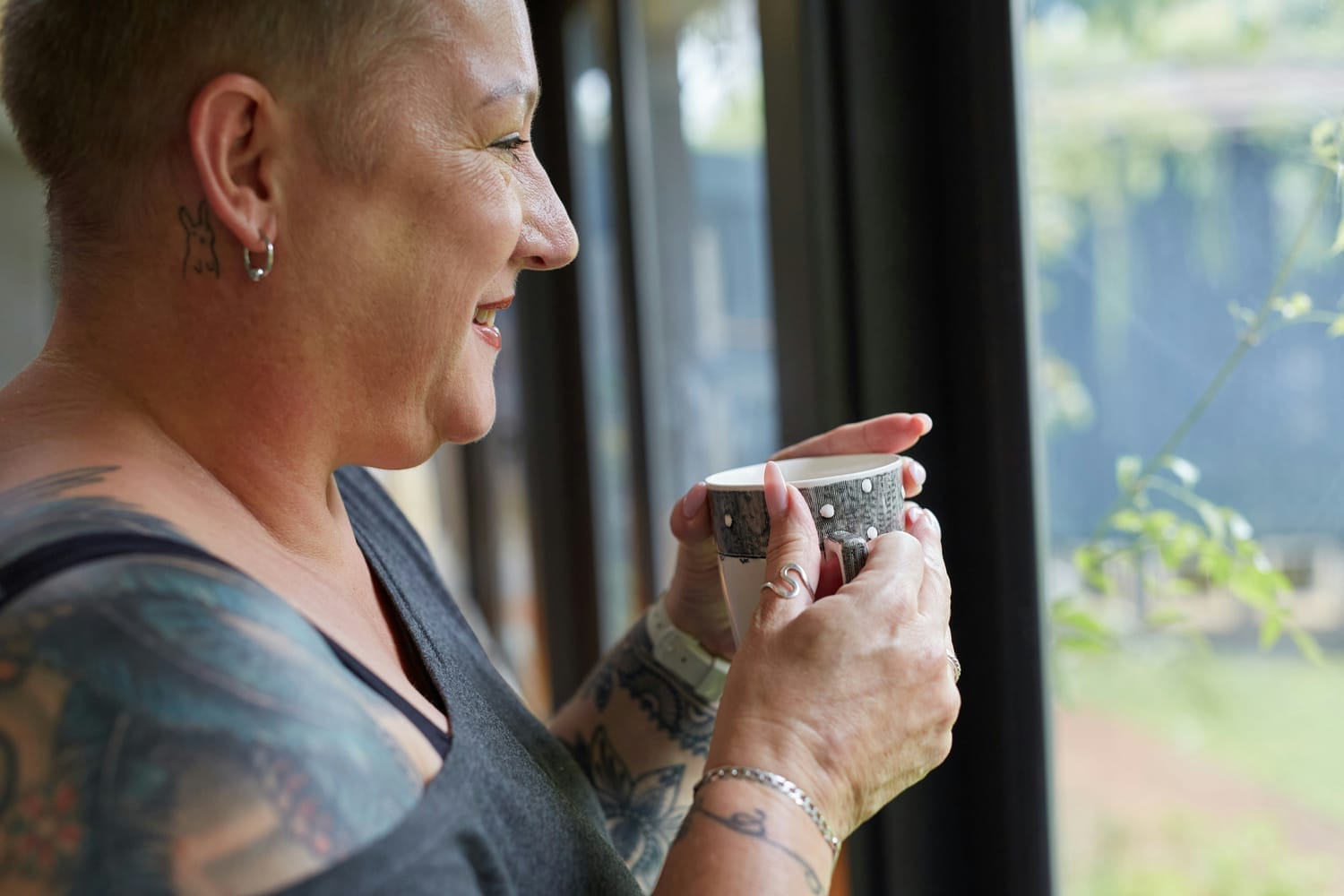
Diagnosed with ADHD at 52, I finally understood why life had always felt harder. This post shares how coaching helped me unlearn shame, embrace difference, and finally work with my ADHD rather than against it.
I set big goals for this holiday, and then felt like I was failing for not meeting them. This post is a reflection on ADHD, high expectations, RSD, and learning to be gentler with myself, one imperfect day at a time.

Rejection Sensitivity Dysphoria (RSD) can make even small comments feel crushing, and it’s often hidden beneath ADHD. This post explores why it happens, how it affects daily life, and what can help you feel more in control.

ABOUT ME
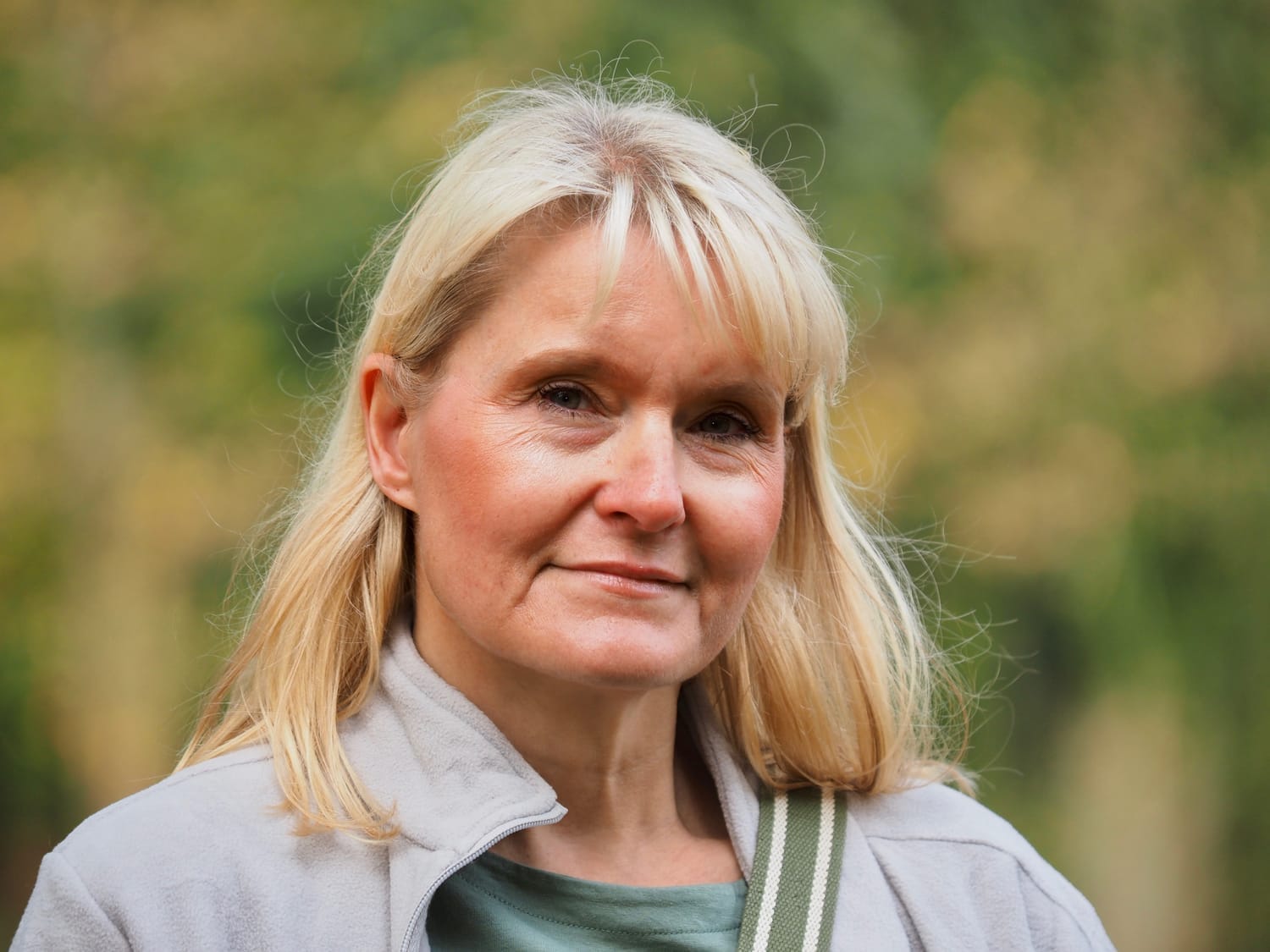
Hi, I'm Petra Earnshaw, an adoptee with ADHD. I am also an ICF ACC Credentialed Advanced-Certified ADHD Life Coach. I share my coaching and late ADHD diagnosis, and share some tips along the way.

GOT A QUESTION YOU'D LIKE TO SHARE?
I love hearing from readers. Whether you have a thought about something I've written, a question about ADHD, or just want to say hello, you can email me directly. I read every message ( and reply when I can).

THINKING ABOUT COACHING?
If you are curious about ADHD Life Coaching, you're welcome to book a complimentary Discovery Call. It's a calm, no-pressure space to talk about what's going on and whether coaching might be supportive.