
Why Bedtime Is So Hard for Children With ADHD (And What Actually Helps)
“Why can’t they just go to sleep?”
By the end of the day, most parents are exhausted.
You’ve navigated school, emotions, reminders, transitions, snacks, homework, sibling dynamics… and now all you want is a calm, predictable bedtime.
Instead, you get:
endless stalling
sudden bursts of energy
emotional meltdowns
repeated requests
or a child who says they’re “not tired” at 10pm
If bedtime feels harder in your house than it seems to for other families, you’re not imagining it.
ADHD and sleep are closely linked — and not in a helpful way.
Why ADHD brains struggle at night
Children with ADHD often experience:
delayed melatonin release
racing thoughts
difficulty shifting from stimulation to stillness
heightened sensitivity to sensory input
emotional “spill over” from the day
By bedtime, their nervous system may be:
overtired
overstimulated
emotionally flooded
or suddenly hyperactive
That second wind? It’s common.
It’s not defiance.
It’s dysregulation.
The problem with traditional bedtime advice
Typical advice assumes children can:
wind down on command
lie still
tolerate boredom
fall asleep quickly
For many children with ADHD, lying still in the dark with nothing to focus on can actually increase anxiety and restlessness.
Which is why “just stay in your bed” can escalate rather than soothe.
What actually helps (realistically)
This isn’t about creating a Pinterest-perfect bedtime routine. It’s about supporting the nervous system.
1. Start winding down earlier than you think
Many ADHD children need a longer transition into sleep — not a sudden switch.
Lower stimulation gradually:
dim lights
reduce noise
slow the pace of the evening
2. Build in movement before stillness
A short burst of:
stretching
wall push-ups
light rough-and-tumble play
yoga-style movement
can help discharge energy before expecting rest.
3. Predictable but flexible routines
Routines help — but rigid ones can create power struggles.
A simple visual order (pyjamas → toilet → story → lights out) is often more helpful than strict timing.
4. Externalise racing thoughts
If your child suddenly remembers everything at bedtime:
keep a “thought notebook”
write worries down
create a small next-day list
This helps their brain feel “contained”.
5. Accept that calm may not look silent
Some children regulate through:
audiobooks
white noise
low, repetitive music
fidget objects
If it helps them settle, it’s not a failure of discipline.
Why bedtime hits parents hardest
By night-time, parents are depleted too.
When your nervous system is stretched thin, bedtime resistance can feel personal.
It’s not.
It’s two tired nervous systems colliding.
Progress, not perfection
The goal isn’t instant, silent, stress-free bedtimes.
It’s:
fewer escalations
shorter settling times
less tension
more predictability
That happens gradually, not overnight.
And if bedtime feels like the hardest part of your day, that doesn’t mean you’re failing.
It means you’re tired..
Ongoing support for parenting a child with ADHD
I support parents who are navigating ADHD, often while waiting for a diagnosis, and who want calm, practical guidance without blame or judgement.
If you’d like continued support, you’re very welcome to join my mailing list. I share reassurance, explanations, and realistic guidance for parenting children with ADHD — especially in between my three-weekly blog posts.
Join the mailing list here:
https://www.petraearnshawcoaching.co.uk/
If you’re looking for more personalised support, you can also explore working with me 1:1 or in group coaching via my website.




What others are reading

Diagnosed with ADHD at 52, I finally understood why life had always felt harder. This post shares how coaching helped me unlearn shame, embrace difference, and finally work with my ADHD rather than against it.

I set big goals for this holiday, and then felt like I was failing for not meeting them. This post is a reflection on ADHD, high expectations, RSD, and learning to be gentler with myself, one imperfect day at a time.

Rejection Sensitivity Dysphoria (RSD) can make even small comments feel crushing, and it’s often hidden beneath ADHD. This post explores why it happens, how it affects daily life, and what can help you feel more in control.

ABOUT ME
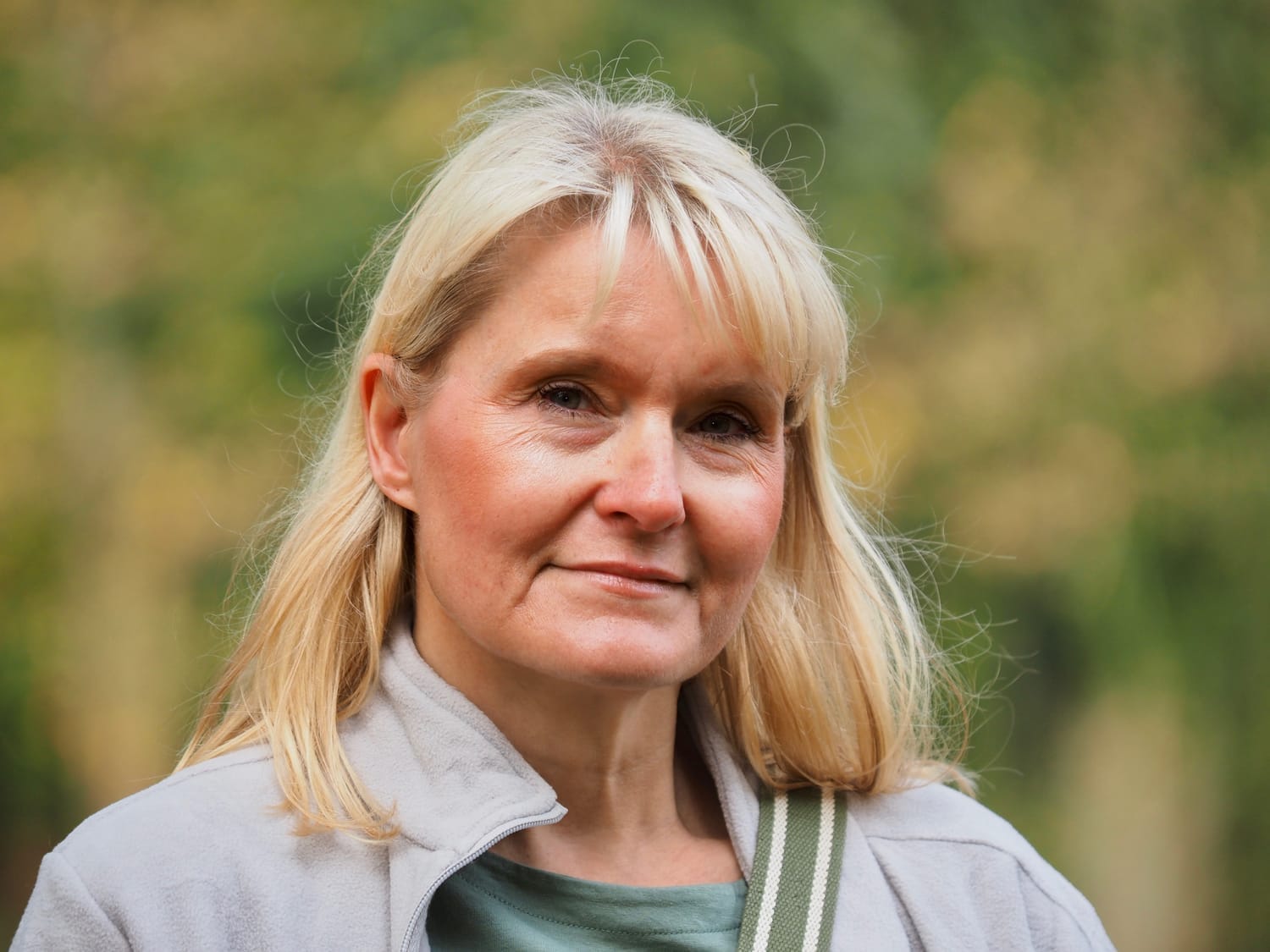
Hi, I'm Petra Earnshaw, an adoptee with ADHD. I am also an ICF ACC Credentialed Advanced-Certified ADHD Life Coach. I share my coaching and late ADHD diagnosis, and share some tips along the way.

GOT A QUESTION YOU'D LIKE TO SHARE?
I love hearing from readers. Whether you have a thought about something I've written, a question about ADHD, or just want to say hello, you can email me directly. I read every message ( and reply when I can).

THINKING ABOUT COACHING?
If you are curious about ADHD Life Coaching, you're welcome to book a complimentary Discovery Call. It's a calm, no-pressure space to talk about what's going on and whether coaching might be supportive.