
\"Why Didn’t Anyone Spot This Sooner?” The Quiet Struggles of Late-Diagnosed ADHD Women
For many women, receiving an ADHD diagnosis in adulthood is both a relief and a reckoning. It is the moment when years of self-doubt, overwhelm, and misunderstood behaviours finally start to make sense. But alongside the clarity often comes a deep sense of grief. Grief for the years spent trying to keep up without support. Grief for the opportunities missed. And grief for the self-compassion that was so needed but rarely offered.
The invisible struggles
ADHD in women often looks different from what people expect. Boys with ADHD are more likely to be hyperactive and impulsive, while girls are often the daydreamers or the ones labelled as too sensitive. Many become perfectionists, rewriting notes or overpreparing in an effort to feel in control. These behaviours are usually misread as personality traits rather than recognised as signs of a neurodivergent brain.
By adulthood, these women are often exhausted. Daily life can feel like a series of obstacles that others seem to manage with ease. Forgetting appointments, losing track of time, or zoning out in the middle of conversations can feel like constant failures. Many have built detailed systems to cope. But all that effort to appear capable comes at a cost. The mental load is heavy, and burnout is common.
The emotional toll
The journey to diagnosis is rarely straightforward. It is often filled with self-criticism and confusion. You may have told yourself that you are not trying hard enough or wondered why you cannot keep up. That internal dialogue can lead to anxiety, depression, and a persistent feeling of falling short.
Getting a diagnosis can bring both relief and sadness. There is comfort in having a name for your struggles. But there is also pain in realising how long you have been navigating the world without the understanding or tools you needed. It is natural to look back on past challenges and wonder how different things could have been if you had known sooner.
The path forward
Learning about your ADHD is a powerful first step. It allows you to let go of old stories about being lazy or careless. With support, you can begin to work with your brain rather than against it.
Coaching can help you build practical strategies that are shaped around the way your brain works. That might mean creating more flexible routines, setting up systems to reduce overwhelm, or learning how to recognise your limits and rest before burnout sets in.
It also means learning to speak to yourself with more kindness. Reframing the way you think about productivity, success, and what it means to be enough. Small shifts in self-talk can make a big difference.
Connecting with others who share your experience can also be incredibly helpful. Whether through a support group or a trusted community, it is powerful to know you are not alone.
Embracing your ADHD
ADHD is not a flaw. It is a different way of experiencing and engaging with the world. Many women with ADHD are creative, insightful, and full of empathy. When you begin to accept and understand your brain, you can start to build a life that actually fits you.
If this feels familiar, and you suspect you might have ADHD or are navigating a recent diagnosis, you do not have to figure it all out on your own. Book a complimentary Discovery Call, and we can explore what support might help you feel more grounded, more understood, and more empowered to move forward:
https://app.paperbell.com/checkout/bookings/new?package_id=158968



What others are reading
Diagnosed with ADHD at 52, I finally understood why life had always felt harder. This post shares how coaching helped me unlearn shame, embrace difference, and finally work with my ADHD rather than against it.
I set big goals for this holiday, and then felt like I was failing for not meeting them. This post is a reflection on ADHD, high expectations, RSD, and learning to be gentler with myself, one imperfect day at a time.

Rejection Sensitivity Dysphoria (RSD) can make even small comments feel crushing, and it’s often hidden beneath ADHD. This post explores why it happens, how it affects daily life, and what can help you feel more in control.

ABOUT ME
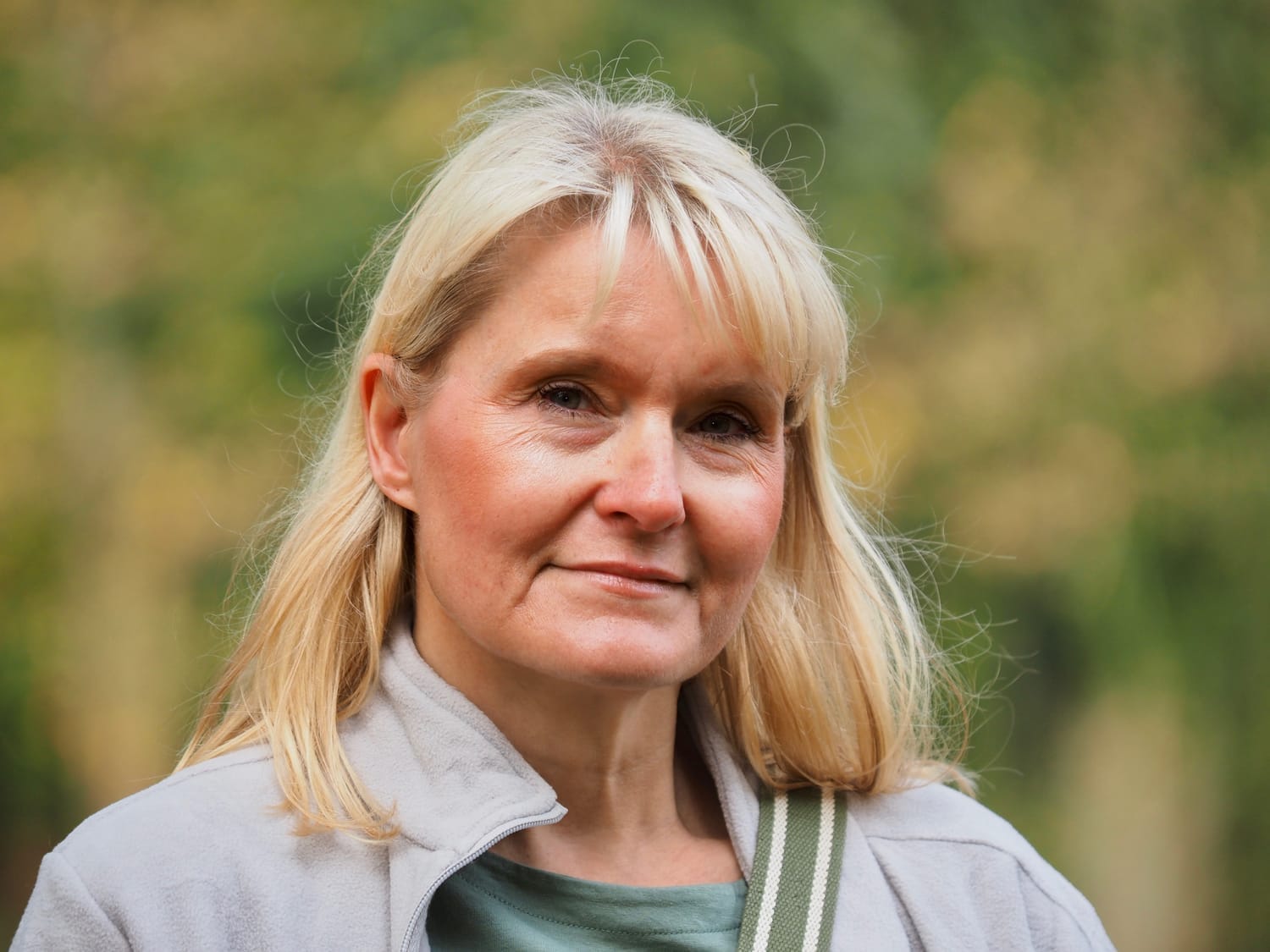
Hi, I'm Petra Earnshaw, an adoptee with ADHD. I am also an ICF ACC Credentialed Advanced-Certified ADHD Life Coach. I share my coaching and late ADHD diagnosis, and share some tips along the way.

GOT A QUESTION YOU'D LIKE TO SHARE?
I love hearing from readers. Whether you have a thought about something I've written, a question about ADHD, or just want to say hello, you can email me directly. I read every message ( and reply when I can).

THINKING ABOUT COACHING?
If you are curious about ADHD Life Coaching, you're welcome to book a complimentary Discovery Call. It's a calm, no-pressure space to talk about what's going on and whether coaching might be supportive.