
Why Does My ADHD Child Get So Overwhelmed by Simple Tasks?
If you have ever asked your child to tidy their room, only to find them sitting in the middle of a pile of everything they own, staring into space an hour later, you are not alone. What looks like laziness or defiance from the outside is often something much more complicated on the inside. For children with ADHD, what seems like a simple task can feel completely and utterly impossible.
The problem with "just do it"
When you say "tidy your room" to a child with ADHD, you are giving them one instruction that actually contains about twenty. They need to decide what to pick up first, where it goes, what counts as tidy, how long it should take, and what to do when they get distracted by the toy they forgot they had. Their brain struggles to create a clear starting point, so instead of starting, they freeze.
This is not a choice. It is how the ADHD brain is wired. Executive function, which is the part of the brain that helps us plan, prioritise, and get started on tasks, works differently in children with ADHD. It is not that they can't do the task. It is that their brain can't easily build the mental road map to get there.
What overwhelm looks like
You might recognise some of these signs in your child. They stand in the middle of the room, not knowing where to begin. They start one thing, get distracted, and move on to something else. They have a meltdown when asked to do something that seems straightforward. They say, "I don't know how", even for tasks they have done before. They spend more time avoiding the task than doing it.
All of these are signs that the task feels too big, too vague, or too overwhelming for their brain to process.
How to help
The good news is that with a few simple changes, you can make a real difference to how your child handles big tasks.
Break it down into tiny steps. Instead of "tidy your room," try "put your books on the shelf." Just one step at a time. Once that is done, give the next step. Small, clear, specific instructions are much easier for the ADHD brain to process.
Make it visual. A simple checklist on paper or a whiteboard can work really well. When a child can see each step in front of them and tick it off, it gives their brain the structure it cannot create on its own, and a little boost of dopamine!
Stay nearby at first. Children with ADHD often need a physical presence to help them stay on task. You do not need to do the task for them, but being in the room can make a significant difference.
Reduce the choices. Too many decisions at once leads to overwhelm. If their room is very messy, start with just one category. All the clothes first, then all the books, then everything else. One thing at a time.
Celebrate the small wins. When your child completes a step, acknowledge it. A simple "well done, that is one thing done" goes a long way. It keeps them motivated and helps their brain connect effort with reward.
It is not about the room
Here is the thing. The room, the homework, the getting ready in the morning — none of these are really about those tasks. They are about a brain that needs more support, more structure, and more understanding than most people realise.
When you start to see your child's struggles through that lens, everything shifts. You stop seeing defiance and start seeing a child who genuinely needs your help to get started.
And that is something you absolutely can give them.
Want to understand more about what's happening in your child's brain?
On Saturday, 14th June at 10am, I am running a free one-hour online session called Staying Calm in the Storm for parents of children with ADHD who want to understand what is really going on when their child becomes overwhelmed or tips into a meltdown, and what to do in the middle of it.
You will leave with something you can actually use. That same day, if you need it.
It is free, online, and I am keeping it to a small group, so there is room for questions. Come and join us:
https://www.petraearnshawcoaching.co.uk/staying-calm-in-the-storm
And if you would like to explore more personalised support for your family, I would love to have a chat. Book a complimentary discovery call here:




What others are reading

Diagnosed with ADHD at 52, I finally understood why life had always felt harder. This post shares how coaching helped me unlearn shame, embrace difference, and finally work with my ADHD rather than against it.

I set big goals for this holiday, and then felt like I was failing for not meeting them. This post is a reflection on ADHD, high expectations, RSD, and learning to be gentler with myself, one imperfect day at a time.

Rejection Sensitivity Dysphoria (RSD) can make even small comments feel crushing, and it’s often hidden beneath ADHD. This post explores why it happens, how it affects daily life, and what can help you feel more in control.

ABOUT ME
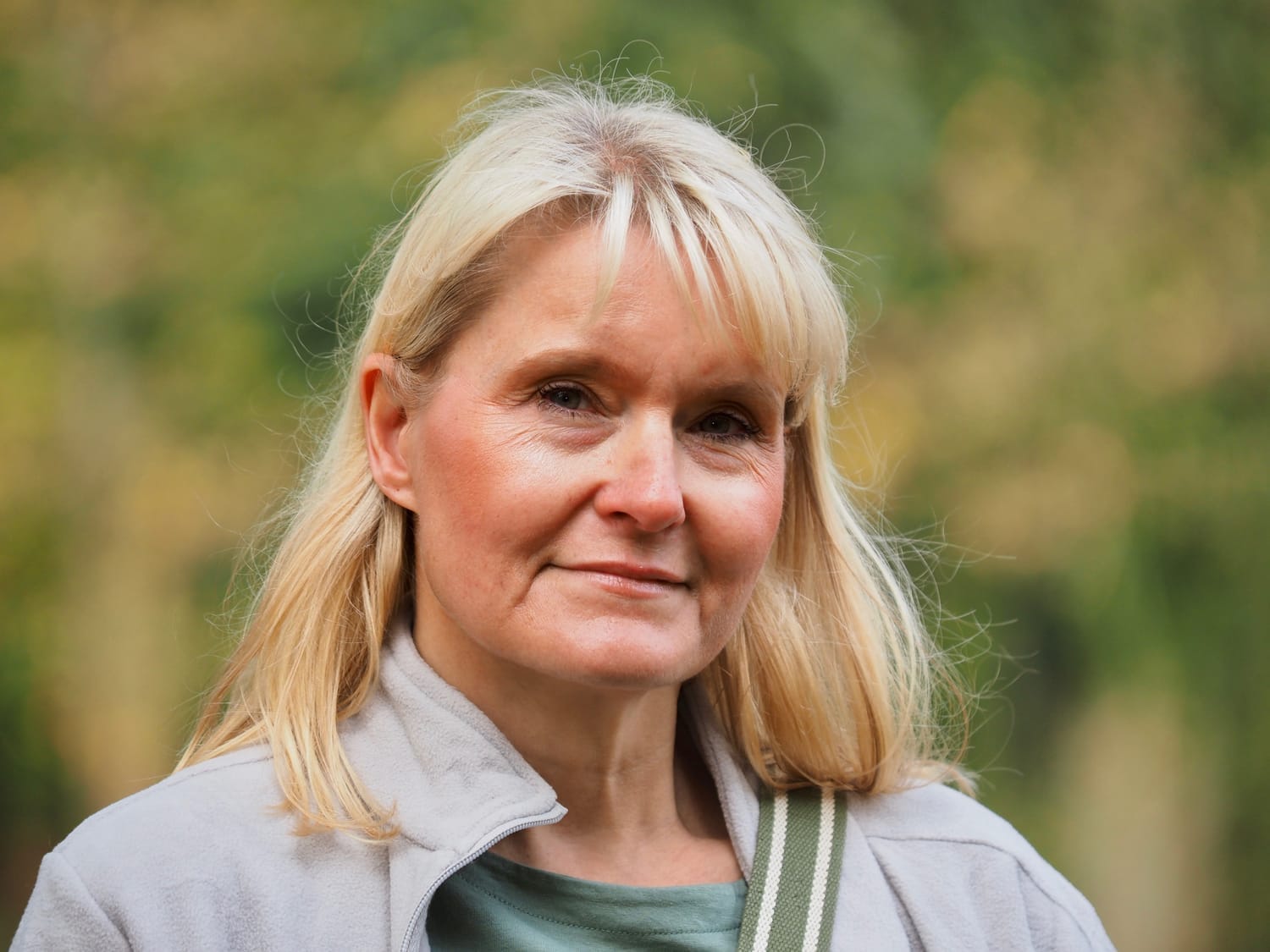
Hi, I'm Petra Earnshaw, an adoptee with ADHD. I am also an ICF ACC Credentialed Advanced-Certified ADHD Life Coach. I share my coaching and late ADHD diagnosis, and share some tips along the way.

GOT A QUESTION YOU'D LIKE TO SHARE?
I love hearing from readers. Whether you have a thought about something I've written, a question about ADHD, or just want to say hello, you can email me directly. I read every message ( and reply when I can).

THINKING ABOUT COACHING?
If you are curious about ADHD Life Coaching, you're welcome to book a complimentary Discovery Call. It's a calm, no-pressure space to talk about what's going on and whether coaching might be supportive.