Why Emotions Can Feel So Intense When ADHD and Adoption Overlap
There’s a particular kind of emotional intensity that can be hard to put into words.
It’s not “just being sensitive.”
It’s not “overreacting.”
And it’s definitely not a lack of resilience.
For many people, especially those who are both adopted and have ADHD, emotions can feel big, fast-moving, and sometimes overwhelming.
If that’s your experience, there’s a reason for it.
And more importantly, there’s nothing wrong with you.
Emotional intensity isn’t random
When emotions feel intense, it’s easy to assume something is wrong.
You might have been told:
“You’re too sensitive”
“You take things too personally”
“You need to calm down”
But emotional intensity doesn’t appear out of nowhere.
It’s often the result of how your brain processes information and the experiences that have shaped how safe relationships feel.
For adoptees with ADHD, those two things can overlap in powerful ways.
The ADHD side: fast, deep, and reactive emotions
ADHD isn’t just about focus or organisation.
It also affects how emotions are experienced and regulated.
Many adults with ADHD notice that:
Emotions arrive quickly, before there’s time to think
Reactions can feel strong and immediate
It’s harder to “shift” out of a feeling once it’s there
Something small can trigger a big emotional response, not because it is big, but because the brain reacts quickly and intensely.
There’s also something often talked about in ADHD spaces called Rejection Sensitive Dysphoria (RSD).
This isn’t an official diagnosis, but it describes a very real experience:
Feeling deeply affected by perceived rejection
Interpreting small changes in tone or behaviour as something personal
Experiencing emotional pain that feels disproportionate—but very real
So even without adoption in the picture, ADHD can already mean:
👉 emotions feel faster
👉 reactions feel stronger
👉 recovery can take longer
The adoption side: early experiences shape emotional safety
Adoption brings its own emotional landscape.
Even when someone grows up in a loving and supportive family, adoption begins with separation.
That early experience, often before conscious memory, can influence how safe connection feels.
Many adoptees describe:
Being highly attuned to other people’s emotions
Noticing subtle shifts in tone or behaviour
Feeling a strong need for reassurance or closeness
A deep sensitivity to disconnection, even in small moments
This isn’t about blame.
It’s about understanding that early experiences can shape how the nervous system responds to relationships.
If connection once felt uncertain or interrupted, the brain and body can become more alert to any signs that it might happen again.
When ADHD and adoption overlap
Now imagine these two things happening together:
A brain that reacts quickly and intensely
A nervous system that is highly tuned to connection and disconnection
This is where emotional experiences can feel especially strong.
You might notice things like:
Feeling deeply affected by small changes in someone’s tone
Interpreting neutral situations as meaningful or personal
Struggling to “let go” of interactions that others seem to move on from easily
Feeling overwhelmed by emotions that seem to come out of nowhere
It can feel confusing.
Because part of you might know that something isn’t a big deal…
…but your emotional response says otherwise.
It’s not “too much” - it’s layered
One of the most important shifts is this:
👉 It’s not that your emotions are “too much”
👉 It’s that multiple layers are influencing them
ADHD affects:
speed
intensity
regulation
Adoption can affect:
meaning
safety
sensitivity to connection
When those layers combine, emotions don’t just feel strong, they feel important.
Why this often leads to self-doubt
When emotions feel intense, but others don’t seem to react the same way, it can lead to:
Questioning yourself
Wondering if you’re overreacting
Trying to suppress or ignore feelings
Feeling misunderstood or dismissed
You might even start to second-guess your own experiences:
“Was that actually a big deal?”
“Did I imagine that?”
“Why can’t I just move on like everyone else?”
This can be exhausting.
Because you’re not only dealing with the emotion itself—you’re also dealing with the doubt about the emotion.
Understanding brings relief (even before change)
One of the most powerful things is simply understanding what’s going on.
Not analysing it to death.
Not trying to fix it immediately.
Just recognising:
👉 “There’s a reason this feels the way it does.”
That shift alone can:
reduce shame
increase self-compassion
create space between feeling and reaction
Instead of:
“I’m overreacting”
It becomes:
“This feels intense, and I can understand why”
What can actually help?
This isn’t about getting rid of emotional intensity.
It’s about learning how to work with it rather than against it.
Some helpful shifts include:
1. Slowing the moment down
ADHD brains react quickly.
Even a small pause—literally a few seconds—can help create space before reacting.
2. Separating feeling from meaning
You can feel something strongly without it meaning what your brain initially tells you.
For example:
Feeling rejected ≠ actually being rejected
Feeling unsafe ≠ being unsafe
3. Noticing patterns over time
Instead of judging individual reactions, look for patterns:
When do emotions feel strongest?
What situations tend to trigger them?
This builds understanding without self-criticism.
4. Allowing yourself to feel
Trying to suppress emotions often makes them stronger.
Allowing them—without immediately acting on them—can reduce their intensity over time.
5. Getting the right kind of support
This is where things can really shift.
Because when someone understands both ADHD and adoption, you don’t have to explain everything from scratch.
You’re not starting from:
“Why am I like this?”
You’re starting from:
“Given everything I’ve experienced, how can I support myself better?”
You’re not broken—you’re responding
If you take one thing from this, let it be this:
👉 Your emotional responses are not random
👉 They are not a flaw
👉 They are a response to how your brain works and what you’ve experienced
And once you understand that, things can begin to feel a little less overwhelming.
If this resonates with you
This is something I explore more deeply in my course:
Adopted Minds: Understanding the Adopted ADHD Brain
Each part of the series looks at a different area where ADHD and adoption can overlap, including emotional regulation and rejection sensitivity.
If you’d like to understand your experiences in a way that feels clear, supportive, and grounded, you’re very welcome to explore that here:
Alternatively, if you’d prefer to talk things through in a more personal way, you can book a complimentary discovery call here:
https://www.petraearnshawcoaching.co.uk/459435ab
There’s no pressure - just a chance to explore what support might look like for you.
Final thought
Emotions that feel intense often have something important to say.
Not something that needs to be fixed.
Something that needs to be understood.
And when you begin to understand them, you don’t lose your depth, you just gain a little more steadiness alongside it.


What others are reading
Diagnosed with ADHD at 52, I finally understood why life had always felt harder. This post shares how coaching helped me unlearn shame, embrace difference, and finally work with my ADHD rather than against it.
I set big goals for this holiday, and then felt like I was failing for not meeting them. This post is a reflection on ADHD, high expectations, RSD, and learning to be gentler with myself, one imperfect day at a time.

Rejection Sensitivity Dysphoria (RSD) can make even small comments feel crushing, and it’s often hidden beneath ADHD. This post explores why it happens, how it affects daily life, and what can help you feel more in control.

ABOUT ME
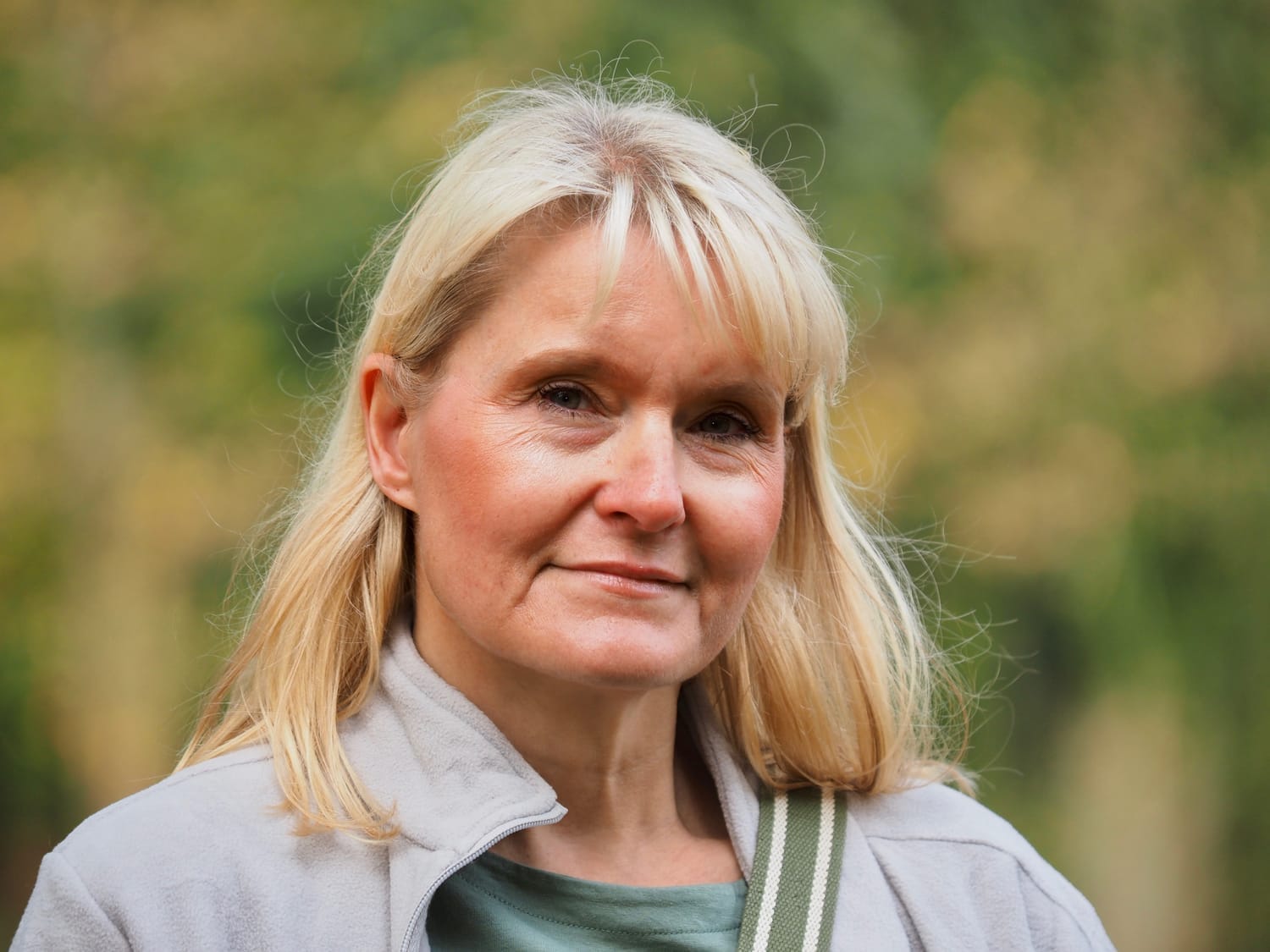
Hi, I'm Petra Earnshaw, an adoptee with ADHD. I am also an ICF ACC Credentialed Advanced-Certified ADHD Life Coach. I share my coaching and late ADHD diagnosis, and share some tips along the way.

GOT A QUESTION YOU'D LIKE TO SHARE?
I love hearing from readers. Whether you have a thought about something I've written, a question about ADHD, or just want to say hello, you can email me directly. I read every message ( and reply when I can).

THINKING ABOUT COACHING?
If you are curious about ADHD Life Coaching, you're welcome to book a complimentary Discovery Call. It's a calm, no-pressure space to talk about what's going on and whether coaching might be supportive.