Why I Created a Series for Adoptees with ADHD
There’s something I’ve noticed again and again in the work I do.
Conversations that sound different on the surface… but underneath, carry very similar themes.
Feeling things deeply.
Questioning reactions.
Struggling to make sense of emotions that seem bigger than expected.
And often, a quiet thought in the background:
“Why am I like this?”
For adoptees, there is already a unique emotional landscape.
Even in loving families, adoption begins with separation.
And that early experience can shape how safe a connection feels, how relationships are experienced, and how sensitive someone may become to changes in closeness or distance.
Many adoptees describe feeling highly attuned to relationships.
Noticing subtle shifts.
Picking up on tone, mood, or energy.
Trying to make sense of it all.
When ADHD is also part of the picture, this can make things feel even more intense.
Because ADHD isn’t just about focus or organisation.
It also affects emotional regulation, sensitivity, and the way experiences are processed.
So what I began to notice was this overlap:
Strong emotional responses
Difficulty regulating those emotions
Sensitivity to rejection or disconnection
Questions around identity, belonging, and self-worth
Not as separate issues.
But as interconnected parts of the same experience.
Why I created this series
I didn’t create this as one long, overwhelming course.
I’ve created it as a series of shorter, focused trainings, each one exploring a different part of this experience.
Because these patterns kept showing up.
And they deserved more space, more understanding, and more clarity.
The first two parts of the series are available now:
Rejection Sensitivity, RSD & Attachment
Emotional Regulation & Executive Function
The rest of the series is being released over the next few days.
Across the series, I explore areas including:
Identity, self-esteem and sense of belonging
Emotional well-being and the need for validation and support
Stigma and misunderstanding
You might recognise yourself in one of these areas.
Or in all of them.
There’s no right place to start.
This isn’t about labelling or pathologising.
It’s about understanding.
About being able to look at your experiences and think:
“Oh… that makes sense.”
If you’re an adoptee with ADHD, and you’ve ever felt like your reactions are too much, too intense, or difficult to explain…
You’re not alone.
And you’re not imagining it.
If you’d like to explore this further, you can start with the available parts of the series here:

What others are reading
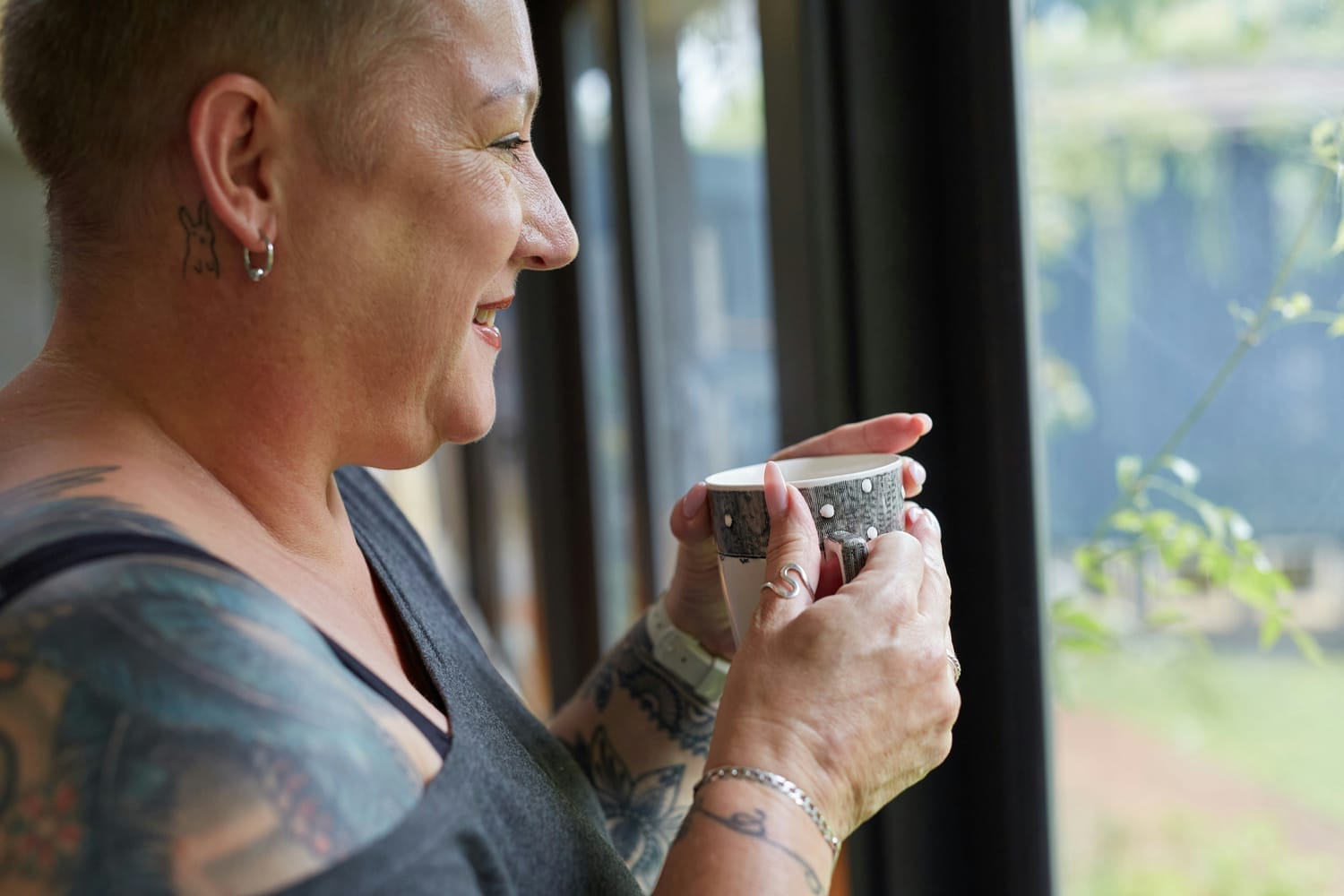
Diagnosed with ADHD at 52, I finally understood why life had always felt harder. This post shares how coaching helped me unlearn shame, embrace difference, and finally work with my ADHD rather than against it.
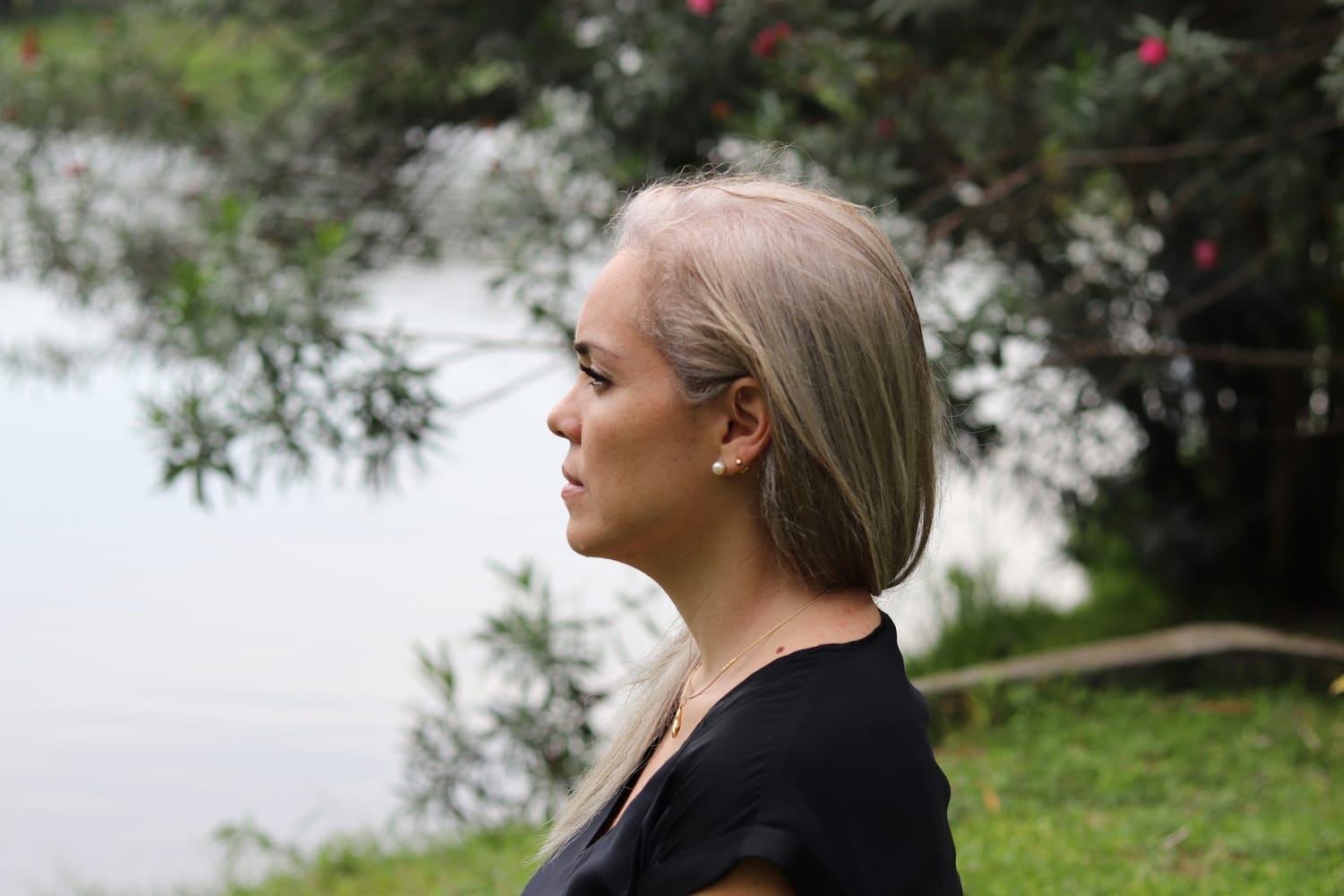
I set big goals for this holiday, and then felt like I was failing for not meeting them. This post is a reflection on ADHD, high expectations, RSD, and learning to be gentler with myself, one imperfect day at a time.
Rejection Sensitivity Dysphoria (RSD) can make even small comments feel crushing, and it’s often hidden beneath ADHD. This post explores why it happens, how it affects daily life, and what can help you feel more in control.

ABOUT ME
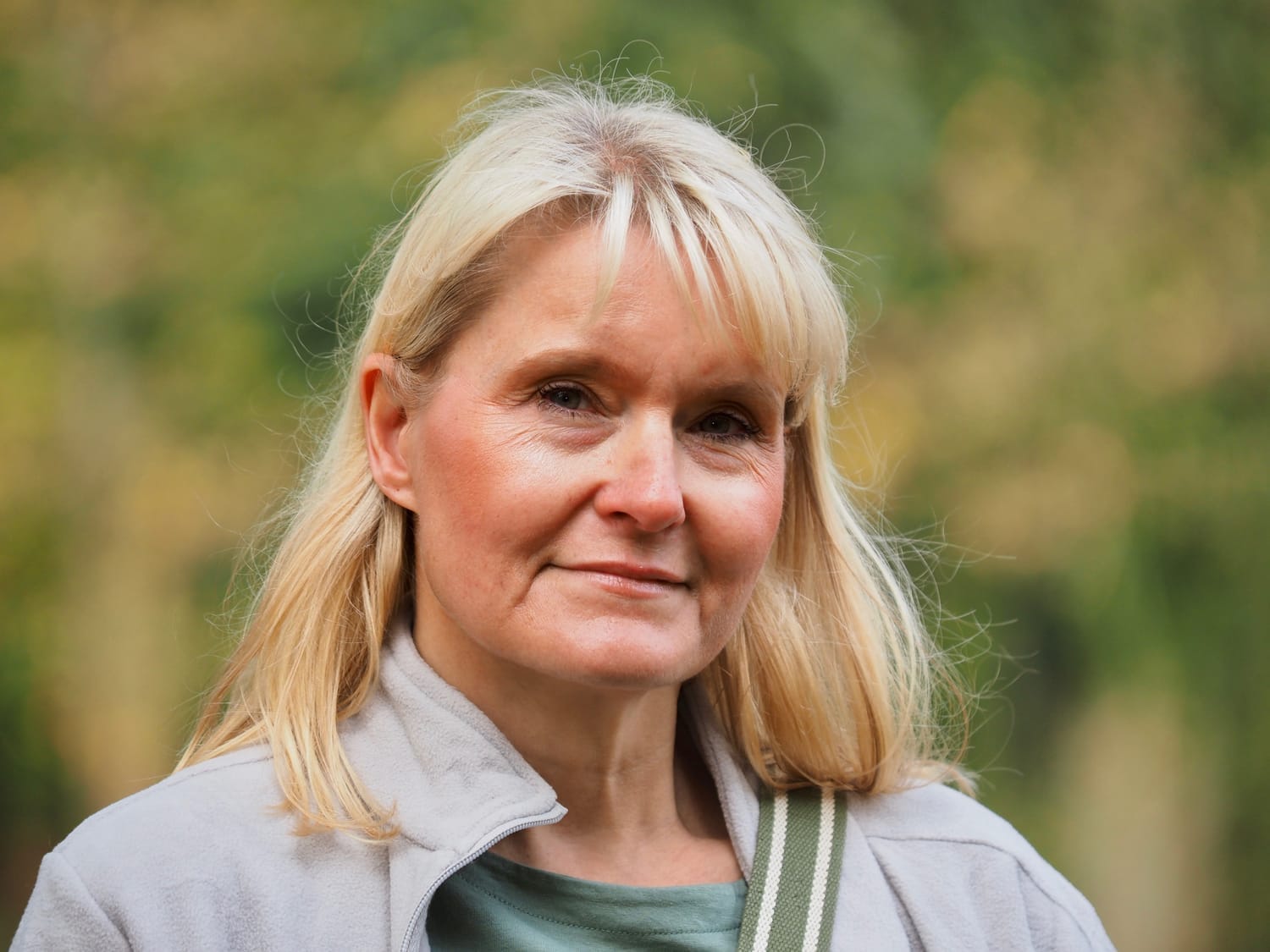
Hi, I'm Petra Earnshaw, an adoptee with ADHD. I am also an ICF ACC Credentialed Advanced-Certified ADHD Life Coach. I share my coaching and late ADHD diagnosis, and share some tips along the way.

GOT A QUESTION YOU'D LIKE TO SHARE?
I love hearing from readers. Whether you have a thought about something I've written, a question about ADHD, or just want to say hello, you can email me directly. I read every message ( and reply when I can).

THINKING ABOUT COACHING?
If you are curious about ADHD Life Coaching, you're welcome to book a complimentary Discovery Call. It's a calm, no-pressure space to talk about what's going on and whether coaching might be supportive.