Why Rejection Can Feel So Intense in Adoption
Have you ever found yourself reacting strongly to something that, on the surface, seems quite small?
A delayed reply.
A change in tone.
Someone seeming distant.
And suddenly, it feels like much more than that moment.
It can feel personal.
Heavy.
Hard to shake.
Sometimes this gets labelled as being “too sensitive” or “overthinking.”
But what if there’s more to it than that?
It’s not always about the moment itself
For many people connected to adoption, whether as an adoptee, adoptive parent, or birth parent, experiences around rejection can feel particularly intense.
And that’s not random.
Adoption begins with separation.
Even when adoption brings love, stability, and care, that early experience can still leave an imprint.
Not always in a way that's obvious.
Not always in ways that are consciously remembered.
But often in ways that are felt.
How this can show up
Rejection doesn’t always look like rejection.
It can show up as:
Overthinking conversations after they’ve happened
Worrying about saying or doing the “wrong” thing
Feeling hurt by things others might brush off
Wanting reassurance, but struggling to fully believe it
Pulling away to protect yourself
These responses can feel confusing, especially when you can see that the situation doesn’t fully explain the intensity of the feeling.
There’s often a deeper layer
When rejection feels overwhelming, it’s rarely just about what’s happening now.
It can be connected to earlier experiences of separation, uncertainty, or loss.
That doesn’t mean something is “wrong.”
And it doesn’t mean you’re overreacting for no reason.
It means your response may have developed as a way of making sense of something much bigger.
This can affect more than one part of the triad
Rejection can show up in different ways for different people.
Adoptees may feel a heightened sensitivity to being left out or not chosen
Adoptive parents may worry about being rejected by their child or feel unsure how to respond
Birth parents may carry deep feelings of rejection, loss, or questioning over time
Different experiences-but often a shared emotional thread.
Understanding it can make a difference
When you begin to see these patterns in context, something shifts.
Instead of:
“I shouldn’t feel like this”
It becomes:
“There’s a reason this feels so strong”
And that opens the door to responding to yourself or others with more understanding.
You don’t have to figure it out alone
These patterns can be complex, but they can also be gently explored and understood.
If this resonates with you, and you’d like support in making sense of your experiences, you’re very welcome to book a complimentary discovery call using this link:

What others are reading
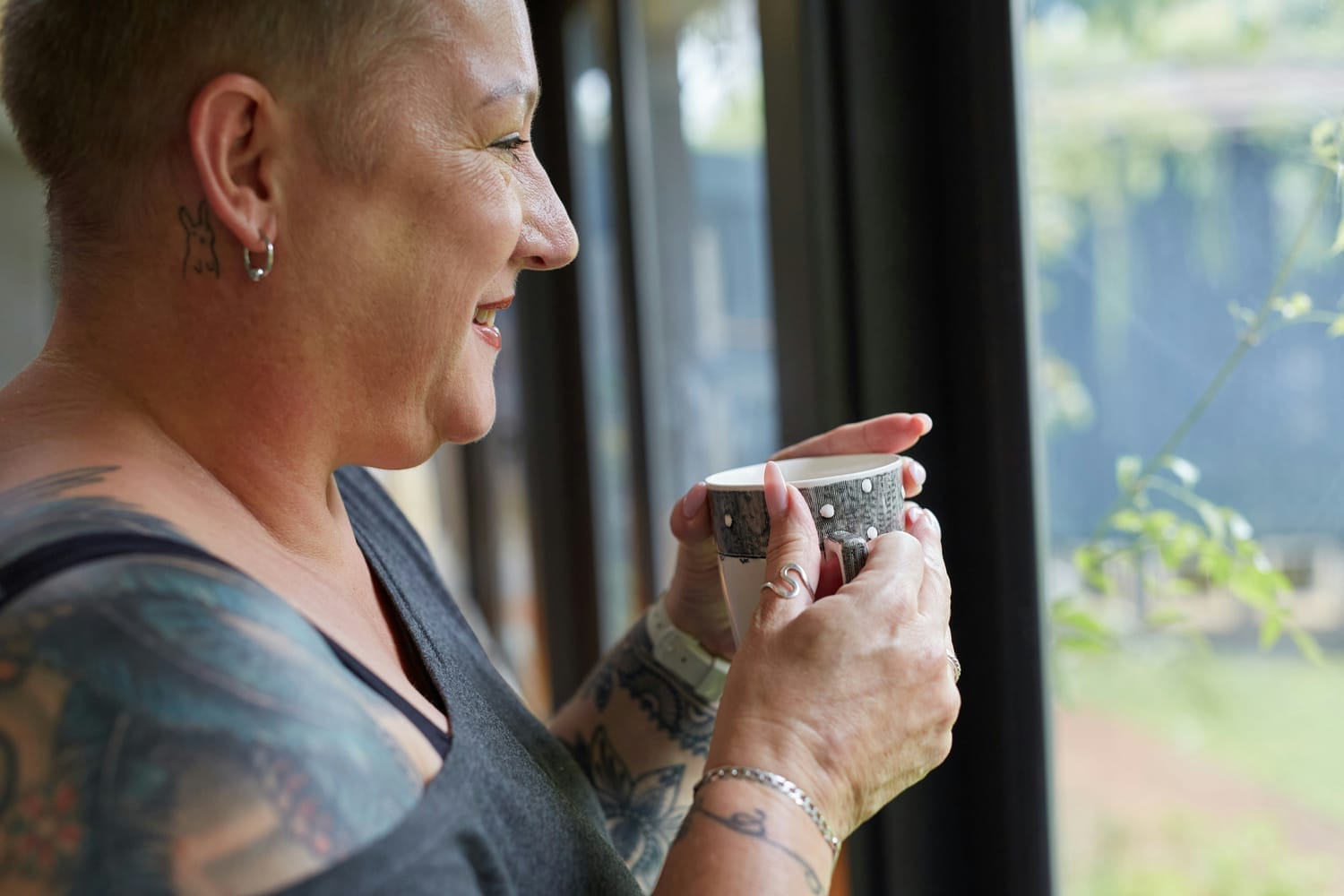
Diagnosed with ADHD at 52, I finally understood why life had always felt harder. This post shares how coaching helped me unlearn shame, embrace difference, and finally work with my ADHD rather than against it.
I set big goals for this holiday, and then felt like I was failing for not meeting them. This post is a reflection on ADHD, high expectations, RSD, and learning to be gentler with myself, one imperfect day at a time.
Rejection Sensitivity Dysphoria (RSD) can make even small comments feel crushing, and it’s often hidden beneath ADHD. This post explores why it happens, how it affects daily life, and what can help you feel more in control.

ABOUT ME
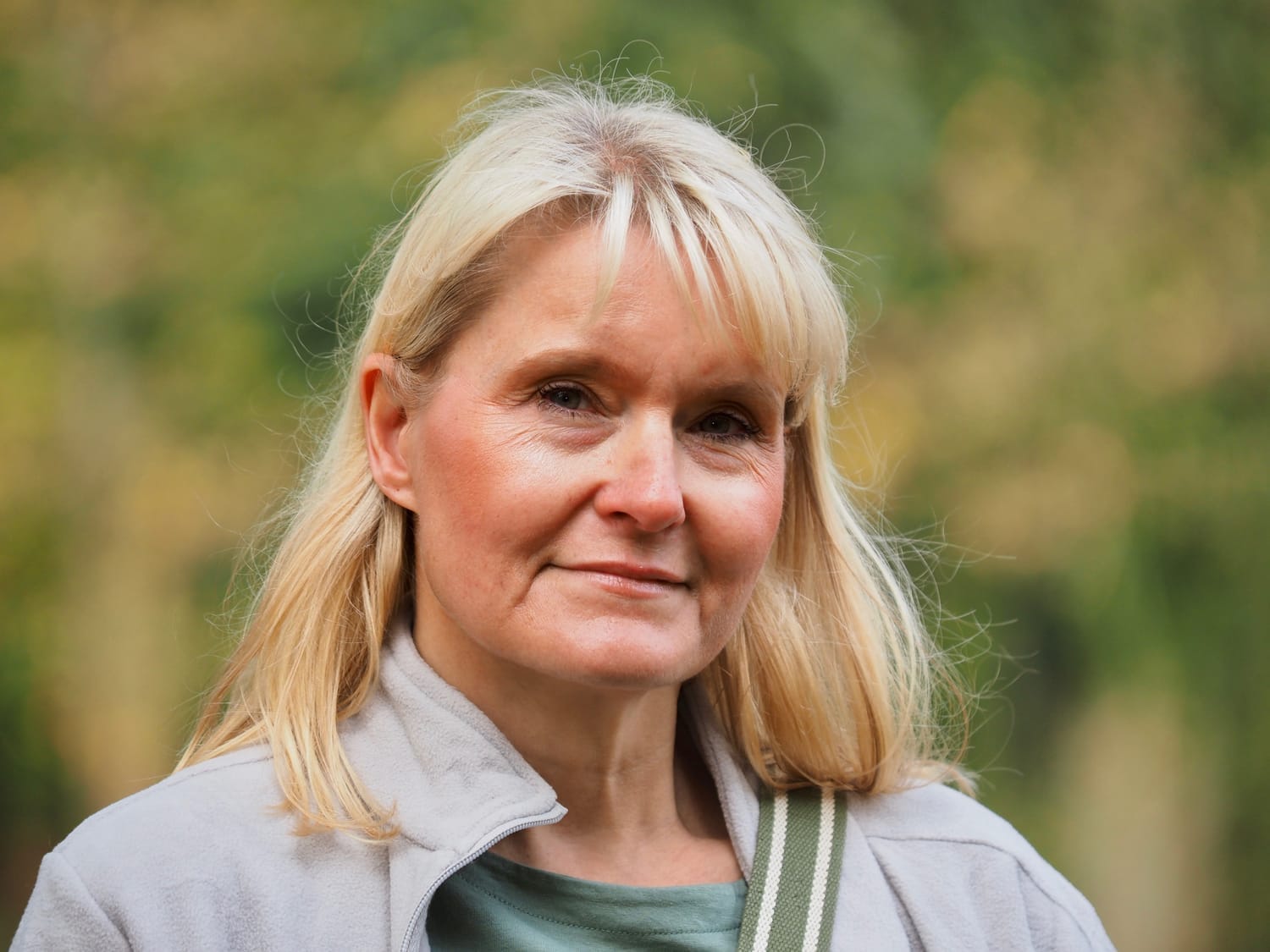
Hi, I'm Petra Earnshaw, an adoptee with ADHD. I am also an ICF ACC Credentialed Advanced-Certified ADHD Life Coach. I share my coaching and late ADHD diagnosis, and share some tips along the way.

GOT A QUESTION YOU'D LIKE TO SHARE?
I love hearing from readers. Whether you have a thought about something I've written, a question about ADHD, or just want to say hello, you can email me directly. I read every message ( and reply when I can).

THINKING ABOUT COACHING?
If you are curious about ADHD Life Coaching, you're welcome to book a complimentary Discovery Call. It's a calm, no-pressure space to talk about what's going on and whether coaching might be supportive.