You Don’t Have to Remember Something for It to Still Be a Loss
One of the most common things adoptees tell themselves is this:
“I don’t remember it, so it can’t really be a loss.”
After all, how can you grieve something you don’t consciously recall? How can something affect you if you have no memory of it?
But here’s the thing that rarely gets said clearly enough:
You don’t have to remember something for it to still be a loss.
Loss doesn’t begin with memory
Adoption always begins with separation.
And separation, even when it happens very early in life, is registered by the body and nervous system, not by language or conscious thought.
Babies don’t need words to experience loss.
They don’t need a story or an explanation.
They simply experience a rupture in continuity: a familiar voice, smell, heartbeat, rhythm, gone.
That experience doesn’t vanish just because it happened before memory formed.
It settles instead into the body.
What early loss can look like later on
Because this loss isn’t remembered in the usual way, adoptees often don’t experience it as sadness or grief.
Instead, it can show up as:
A persistent sense that something is missing
A vague longing with no clear object
Feeling homesick for a place you can’t name
Big emotions that feel out of proportion
Emotional numbness rather than obvious grief
A sense of being “different” without knowing why
Many adoptees don’t think, “I’m grieving.”
They think, “What’s wrong with me?”
And that question can follow them for years.
When loss goes unacknowledged
Loss that isn’t named doesn’t disappear.
It simply goes underground.
Unrecognised loss often gets reinterpreted as:
Anxiety
Low self-worth
Emotional overwhelm
Difficulty settling or feeling safe
A need to stay busy, vigilant, or in control
Because no one framed the early separation as a loss, adoptees often learn to minimise it:
“I was adopted as a baby, so it shouldn’t matter.”
“Others had it much worse.”
“I had a good adoption, so I shouldn’t feel this way.”
But feelings don’t run on logic.
They respond to experience.
Loss doesn’t mean your adoption was bad
This is important.
Naming loss is not about blaming adoptive parents.
It’s not about saying adoption was wrong.
And it’s not about rewriting your story as tragic.
Loss and love can exist at the same time.
Safety and grief can coexist.
Gratitude does not cancel out loss.
Something significant happened - even if it can’t be remembered - and it makes sense that it left a mark.
A gentler way of understanding yourself
For many adoptees, simply allowing the word loss into the conversation brings relief.
It offers an explanation that doesn’t rely on self-criticism.
It replaces “Why am I like this?” with “Something happened.”
And that shift matters.
You don’t need to force yourself to grieve.
You don’t need to dig for memories that aren’t there.
You don’t need to feel anything in a particular way.
Sometimes, acknowledging that there was a loss is enough to soften years of confusion.
If this resonates
If this post stirred something in you, even something hard to name, you’re not alone.
Many adoptees carry losses they were never given language for.
Nothing about that makes you broken.
It makes you human.
If you’d like support exploring this gently and at your own pace, you’re welcome to join my mailing list here:
Petra Earnshaw | ADHD & Adoption Attuned Coach UK
Or book a discovery call here:
https://www.petraearnshawcoaching.co.uk/459435ab
There’s no pressure, just space to be heard.


What others are reading
Diagnosed with ADHD at 52, I finally understood why life had always felt harder. This post shares how coaching helped me unlearn shame, embrace difference, and finally work with my ADHD rather than against it.
I set big goals for this holiday, and then felt like I was failing for not meeting them. This post is a reflection on ADHD, high expectations, RSD, and learning to be gentler with myself, one imperfect day at a time.
Rejection Sensitivity Dysphoria (RSD) can make even small comments feel crushing, and it’s often hidden beneath ADHD. This post explores why it happens, how it affects daily life, and what can help you feel more in control.

ABOUT ME
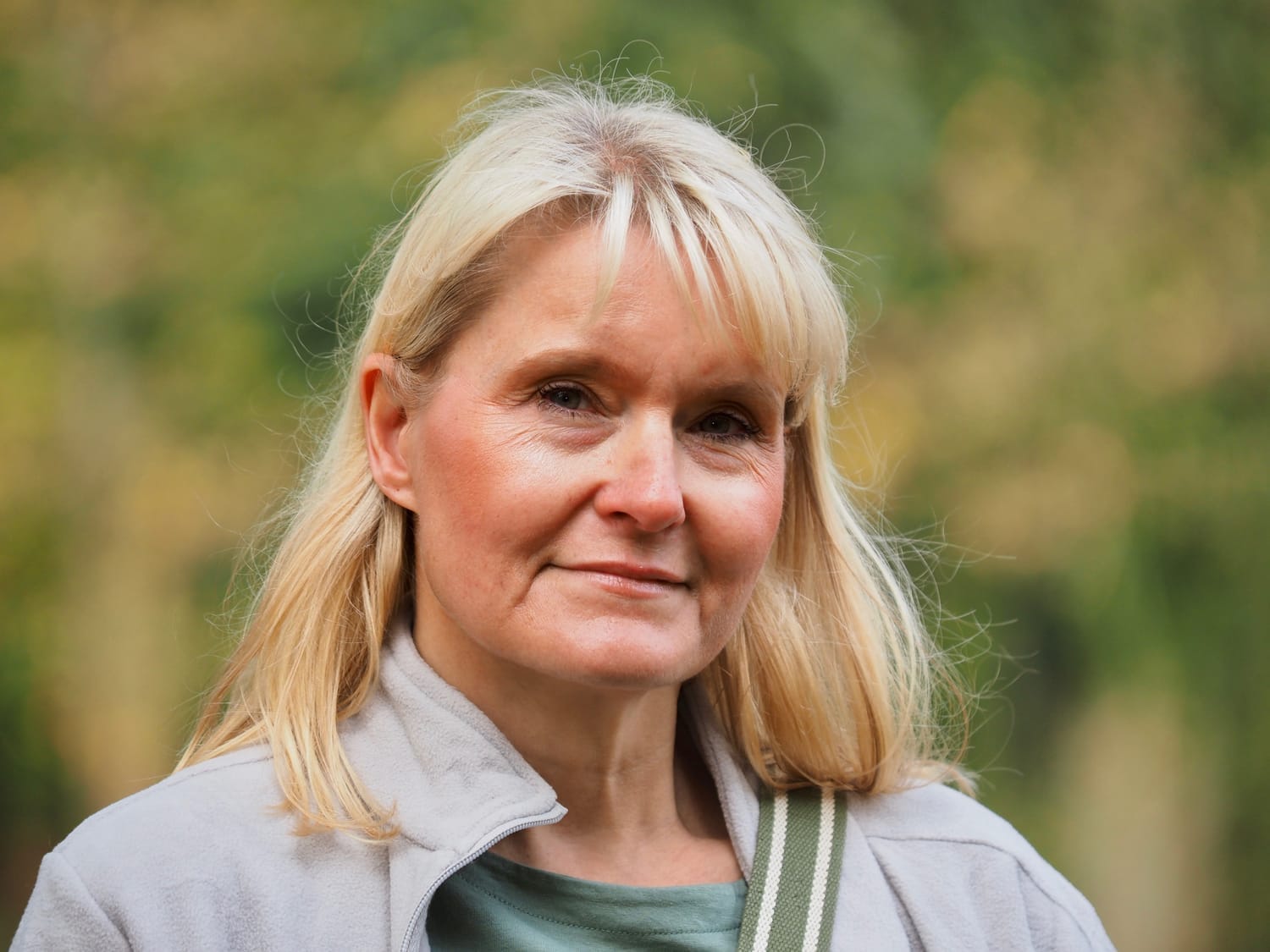
Hi, I'm Petra Earnshaw, an adoptee with ADHD. I am also an ICF ACC Credentialed Advanced-Certified ADHD Life Coach. I share my coaching and late ADHD diagnosis, and share some tips along the way.

GOT A QUESTION YOU'D LIKE TO SHARE?
I love hearing from readers. Whether you have a thought about something I've written, a question about ADHD, or just want to say hello, you can email me directly. I read every message ( and reply when I can).

THINKING ABOUT COACHING?
If you are curious about ADHD Life Coaching, you're welcome to book a complimentary Discovery Call. It's a calm, no-pressure space to talk about what's going on and whether coaching might be supportive.